Công ty Hải Đức Bột với hơn 10 năm kinh nghiệm vận chuyển khí, cung cấp hệ thống‑thiết bị‑quạt gió và nhận dự án tổng thầu bột cả nước
When it comes to managing the handling and transportation of calcium hypochlorite, a critical component in many industrial applications, selecting the appropriate pneumatic conveying system is paramount. The choice of system directly impacts operational efficiency, safety, and overall cost-effectiveness. This guide, brought to you by Shandong HeadPowder Engineering Co., Ltd., a leading provider of specialized engineering solutions based in Shandong, China, outlines key considerations to help you make an informed decision.
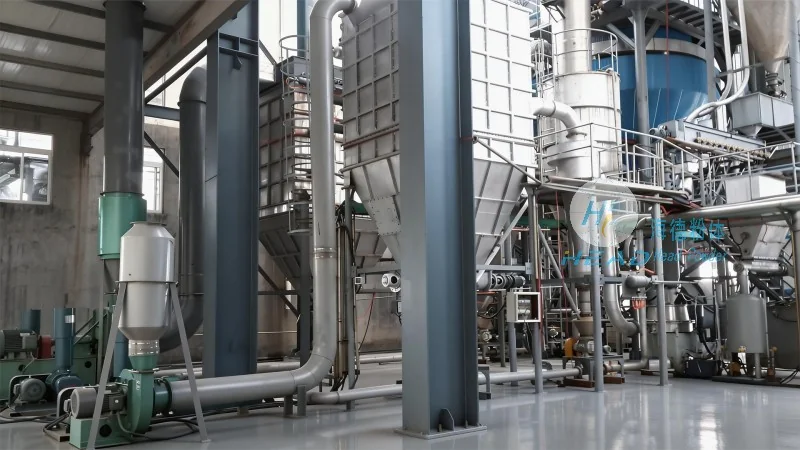
Understanding the Importance of Pneumatic Conveying for Calcium Hypochlorite
Calcium hypochlorite, commonly known as bleaching powder, is a highly reactive chemical used in water treatment, disinfection, and various industrial processes. Its handling requires careful attention to dust control, material flow consistency, and equipment durability due to its hygroscopic and abrasive nature. Traditional methods like belt conveyors or manual handling pose significant risks, including dust exposure, material degradation, and safety hazards. Pneumatic conveying systems offer a solution by transporting the material in a sealed environment, minimizing contamination and ensuring safe, efficient transfer.
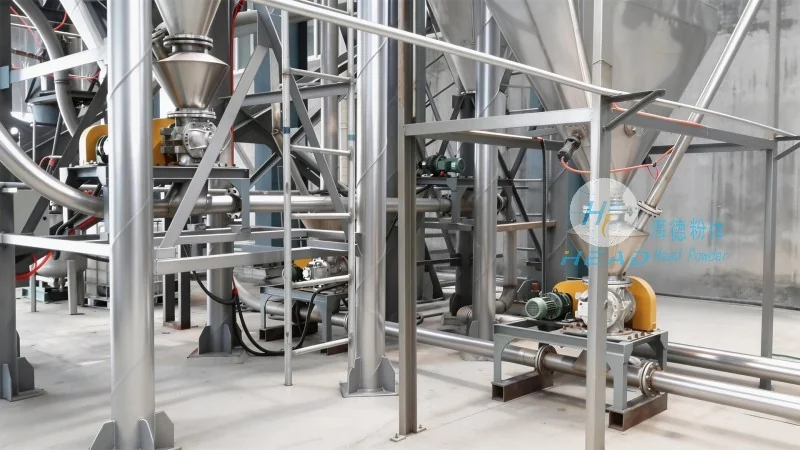
Key Factors to Consider When Selecting a Pneumatic Conveying System
Choosing the right pneumatic conveying system for calcium hypochlorite involves evaluating several critical factors. The first consideration is the material's physical properties, such as particle size, density, and flowability. These characteristics determine the most suitable conveying method—whether it's a positive pressure system, negative pressure system, or a hybrid approach. For calcium hypochlorite, which often has a fine, powdery consistency, a positive pressure system with a rotary airlock or a pressure feeder is typically recommended to maintain consistent flow and prevent clogging.
Another crucial factor is the distance and layout of the conveying line. The system must be designed to handle the required length and elevation changes efficiently. For longer distances, a combination of high-pressure and low-pressure sections may be necessary to maintain material velocity and prevent settling. Additionally, the system's capacity and throughput requirements must align with production demands, ensuring that the chosen equipment can handle the expected volume without bottlenecks.
Types of Pneumatic Conveying Systems for Calcium Hypochlorite
There are primarily two types of pneumatic conveying systems: positive pressure and negative pressure. Positive pressure systems use a blower or compressor to push air and material through the pipeline, making them ideal for short to medium distances and handling abrasive or sticky materials like calcium hypochlorite. These systems are generally more reliable for continuous operation and can handle higher material loads. Negative pressure systems, on the other hand, use a vacuum to draw material into the pipeline, which is suitable for short distances and applications where dust containment is a priority. However, they may require more maintenance and are less efficient for long-distance transport.
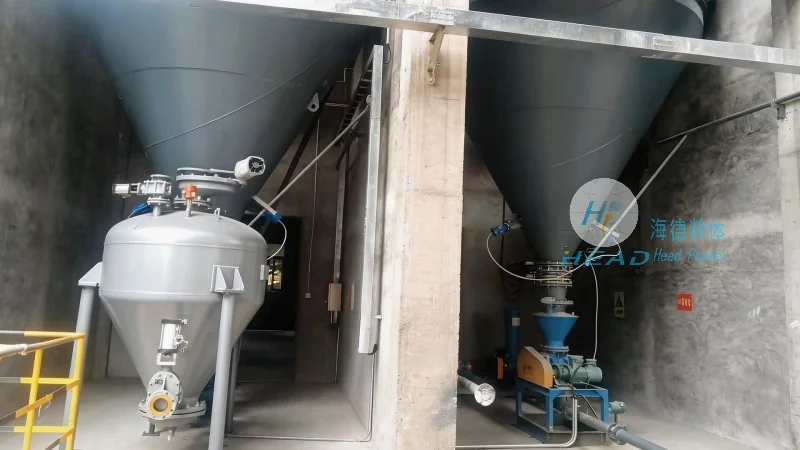
Within these categories, specific technologies are available. For example, the dense phase conveying system, which operates at low velocity and high pressure, is well-suited for calcium hypochlorite as it minimizes material degradation and ensures gentle handling. This method is particularly effective for transporting sensitive materials that are prone to clumping or agglomeration. Another option is the dilute phase system, which uses high velocity and low pressure, suitable for short, low-capacity applications. The choice between these technologies depends on the specific operational constraints and material characteristics of your process.
Design and Installation Considerations
The design and installation of a pneumatic conveying system for calcium hypochlorite must adhere to strict safety and performance standards. The system must be constructed from materials resistant to corrosion and chemical exposure, such as stainless steel or specialized coatings, to ensure longevity and prevent contamination. Additionally, proper sealing and filtration are essential to maintain air quality and prevent dust leakage into the environment. The system's components, including the feeder, pipeline, and receiver, must be sized appropriately to handle the material's flow characteristics and prevent blockages or pressure drops.
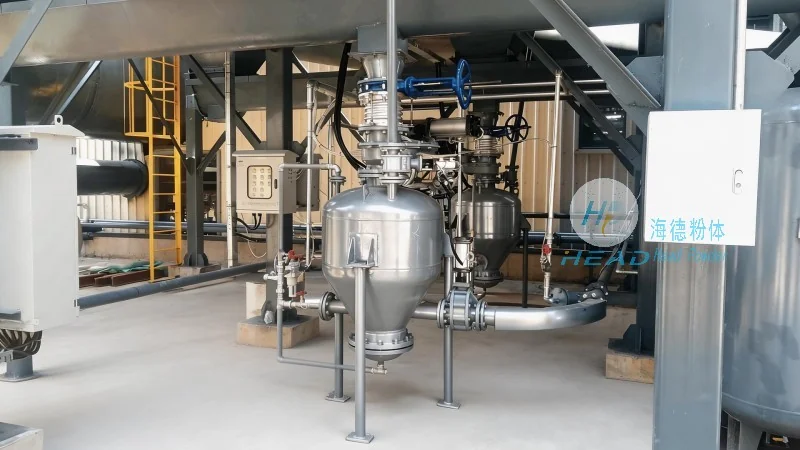
Installation also requires careful planning to ensure minimal disruption to existing operations. The pipeline layout should be optimized to avoid sharp turns or high elevation changes that could cause material settling or increased wear on components. Proper maintenance procedures, including regular cleaning and inspection of filters and seals, are critical to maintaining system efficiency and extending equipment life. Shandong HeadPowder Engineering Co., Ltd. specializes in custom-designed pneumatic conveying systems tailored to the unique needs of calcium hypochlorite handling, ensuring that each installation meets the highest standards of safety, reliability, and performance.
Conclusion: Partnering with an Expert for Optimal Solutions
Selecting the right pneumatic conveying system for your calcium hypochlorite handling process is a critical decision that impacts the efficiency and safety of your operations. By considering factors such as material properties, system type, and operational requirements, you can choose a solution that maximizes performance while minimizing risks. Shandong HeadPowder Engineering Co., Ltd., with its expertise and experience in the field, offers comprehensive solutions and support to help you achieve optimal results. Whether you need a new system installation or an upgrade to an existing setup, partnering with a trusted provider like HeadPowder ensures that your calcium hypochlorite handling process is handled with the precision and care it deserves.

 Công ty TNHH Kỹ thuật Công trình Bột Hải Đức Sơn Đông
 156-6277-7102(Quản lý Trương)
  0531-83386006
  Quận Chương Khâu, Thành phố Tế Nam, Tỉnh Sơn Đông, Trung Quốc
Điện thoại
WeChatTư vấn
Lên đầu