Công ty Hải Đức Bột với hơn 10 năm kinh nghiệm vận chuyển khí, cung cấp hệ thống‑thiết bị‑quạt gió và nhận dự án tổng thầu bột cả nước
When it comes to managing the transportation of bentonite—a crucial industrial material used in various applications such as drilling fluids, foundry sands, and paper manufacturing—selecting the appropriate pneumatic conveying system is essential for efficiency, cost-effectiveness, and operational reliability. The right system not only ensures smooth material flow but also minimizes downtime and maintenance costs, making it a critical investment for any facility dealing with bentonite. This guide aims to help you navigate the key factors in choosing the most suitable pneumatic conveying system for your specific bentonite handling process, with insights from industry experts at Shandong HeadPowder Engineering Co., Ltd., a leading provider of specialized material handling solutions based in Shandong, China.
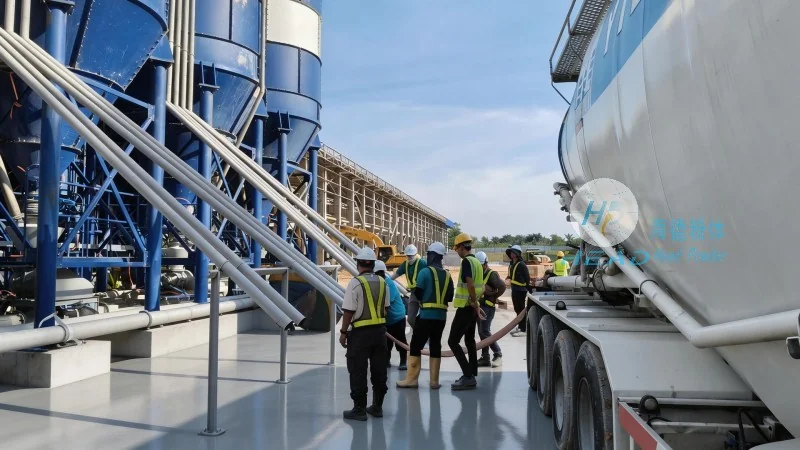
Understanding Bentonite and Its Handling Challenges
Bentonite is a natural clay mineral known for its high swelling capacity when mixed with water, making it an indispensable component in many industrial processes. However, its unique properties also present challenges during transportation. Bentonite particles can vary in size and density, and they often require gentle handling to avoid agglomeration or degradation. Traditional methods like belt conveyors or bucket elevators may not be suitable due to the risk of particle damage or the need for excessive energy. Pneumatic conveying systems, on the other hand, offer a more controlled and efficient way to transport bentonite, especially in applications where dust control and precise dosing are required.
Key Factors to Consider When Selecting a Pneumatic Conveying System
Choosing the right pneumatic conveying system for bentonite involves evaluating several key factors to ensure optimal performance and alignment with your operational needs. The first consideration is the material's physical properties, including particle size distribution, moisture content, and bulk density. These characteristics determine the appropriate conveying method—such as pressure or vacuum systems—and the required air velocity and pressure. For example, fine bentonite powders may require a pressure system with higher air pressure to maintain flow, while larger particles might be better suited for a vacuum system that can handle higher material loads.
Another critical factor is the system's capacity and flow rate requirements. The throughput of your bentonite handling process will dictate the size and capacity of the conveying system. A system that can handle high volumes efficiently without bottlenecks is essential for maintaining production rates. Shandong HeadPowder Engineering Co., Ltd. specializes in customizing pneumatic conveying systems to meet specific capacity needs, ensuring that your facility can process the required amount of bentonite without delays.
Types of Pneumatic Conveying Systems for Bentonite
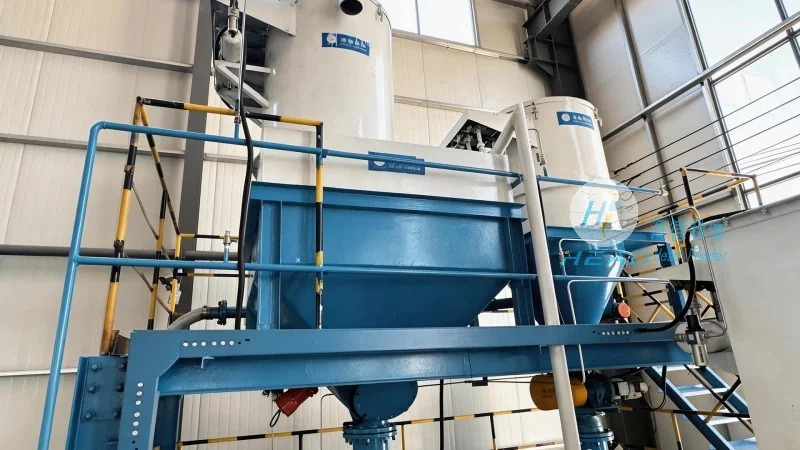
There are several types of pneumatic conveying systems available, each with its own advantages and applications. The most common types include pressure systems, vacuum systems, and hybrid systems. Pressure systems use compressed air to push material through a pipeline, making them ideal for long-distance or high-rise applications. They are particularly effective for transporting fine powders like bentonite, as the high air pressure ensures consistent flow. Vacuum systems, on the other hand, use suction to draw material into the system, which is suitable for short-distance or low-rise applications where the material is already in a hopper or bin.
Hybrid systems combine both pressure and vacuum capabilities, offering flexibility for different stages of the conveying process. For bentonite handling, a hybrid system might be used to transport material from a storage silo to a processing unit using a vacuum system, and then to a final destination using a pressure system. This approach allows for efficient material movement while minimizing energy consumption and system complexity.
Material Handling Equipment and Components
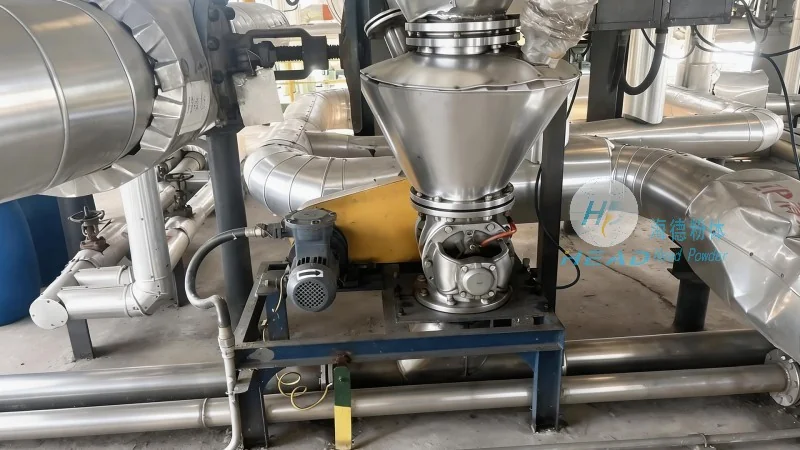
The effectiveness of a pneumatic conveying system for bentonite depends on the quality and design of its components. Key components include air compressors, material feeders, conveying lines, and dust collection systems. Air compressors must be capable of delivering the required pressure and flow rate, with options such as rotary screw or reciprocating compressors available depending on the application. Material feeders, such as rotary valves or star feeders, ensure a consistent and controlled flow of bentonite into the system, preventing blockages and maintaining system efficiency.
Conveying lines are typically made of stainless steel or other corrosion-resistant materials to handle the abrasive nature of bentonite particles. The design of the lines, including bends and elbows, must be optimized to minimize pressure drop and ensure smooth material flow. Dust collection systems are also essential to control airborne particles and maintain a safe working environment. Shandong HeadPowder Engineering Co., Ltd. offers comprehensive solutions that include all necessary components, ensuring that each part is designed to work seamlessly together for optimal performance.
Installation and Maintenance Considerations
Proper installation and regular maintenance are crucial for the long-term performance and reliability of a pneumatic conveying system. During installation, it is important to consider factors such as the layout of the facility, the distance between the source and destination, and any obstacles that may affect material flow. A well-designed system layout minimizes the need for excessive air pressure and reduces energy consumption. Regular maintenance, including cleaning of components, checking for leaks, and replacing worn parts, is essential to prevent system failures and extend the lifespan of the equipment.
Shandong HeadPowder Engineering Co., Ltd. provides comprehensive support for system installation and maintenance, with experienced technicians available to assist with setup and ongoing upkeep. Their expertise ensures that the system operates at peak efficiency and that any issues are addressed promptly, minimizing downtime and maximizing productivity.

 Công ty TNHH Kỹ thuật Công trình Bột Hải Đức Sơn Đông
 156-6277-7102(Quản lý Trương)
  0531-83386006
  Quận Chương Khâu, Thành phố Tế Nam, Tỉnh Sơn Đông, Trung Quốc
Điện thoại
WeChatTư vấn
Lên đầu