Công ty Hải Đức Bột với hơn 10 năm kinh nghiệm vận chuyển khí, cung cấp hệ thống‑thiết bị‑quạt gió và nhận dự án tổng thầu bột cả nước
When it comes to transporting abrasive materials like sand, selecting the right conveying method is crucial for efficiency, safety, and equipment longevity. Abrasive sand, often used in industrial applications such as foundries, glass manufacturing, and construction, poses unique challenges due to its hardness and abrasive properties. Traditional methods like belt conveyors or screw conveyors may struggle with wear and tear, leading to increased maintenance costs and downtime. This article explores common abrasive sand conveying methods and highlights the advantages of HeadPowder's pneumatic conveying system, a solution tailored to meet the demands of modern industrial operations.
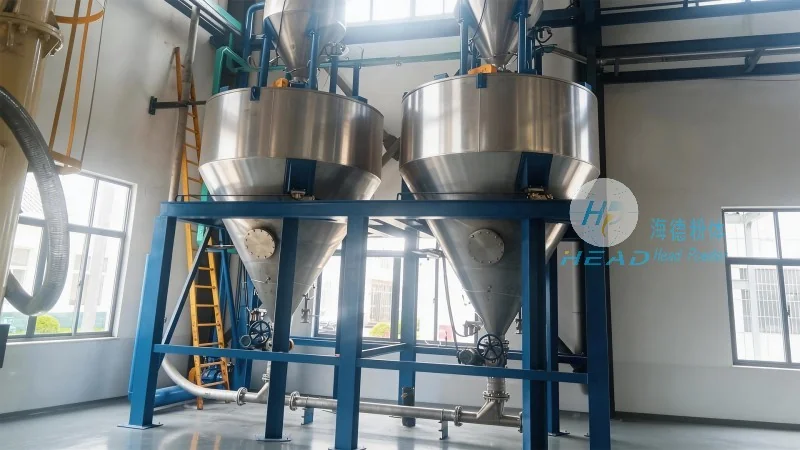
Understanding Abrasive Sand and Conveying Challenges
Abrasive sand, typically composed of silica or other hard minerals, is known for its ability to erode and damage equipment over time. Conventional conveying systems may experience accelerated wear on components like belts, screws, and hoppers due to the abrasive nature of the material. Additionally, dust generation and material segregation can be significant issues with traditional methods, impacting workplace safety and product quality. Therefore, choosing a conveying system that minimizes wear, reduces dust, and ensures reliable material transport is essential for industrial success.
Common Abrasive Sand Conveying Methods
Several methods are commonly used for abrasive sand transport, each with its own set of advantages and limitations. The most prevalent options include:
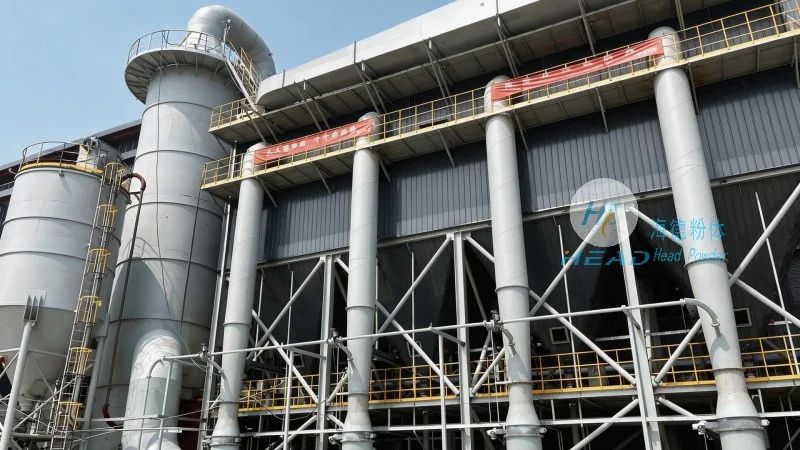
Belt Conveyors: A widely used method where sand is transported on a continuous belt. While effective for horizontal and slight incline transport, belt conveyors are prone to wear from abrasive sand, leading to frequent belt replacement and maintenance.
Screw Conveyors: Utilizing a rotating screw to move sand through a tube. Screw conveyors are suitable for vertical and horizontal transport but suffer from high wear rates on the screw and housing due to the abrasive nature of the material.
Pneumatic Conveying: A method that uses air pressure to transport sand through a pipeline. This system offers flexibility in layout and can handle abrasive materials with minimal wear on components.
HeadPowder's Pneumatic Conveying System: Advantages and Features
HeadPowder, a leading manufacturer of industrial conveying equipment based in Shandong, China, specializes in pneumatic conveying systems designed specifically for abrasive sand applications. Their system incorporates advanced technology to address the unique challenges of abrasive material transport, offering several key advantages:
Reduced Wear and Maintenance: The system uses specialized materials and design features to minimize wear from abrasive sand, extending the lifespan of components and reducing maintenance costs.
Efficient Dust Control: HeadPowder's pneumatic conveying system includes effective dust suppression mechanisms, ensuring compliance with safety regulations and maintaining a clean working environment.
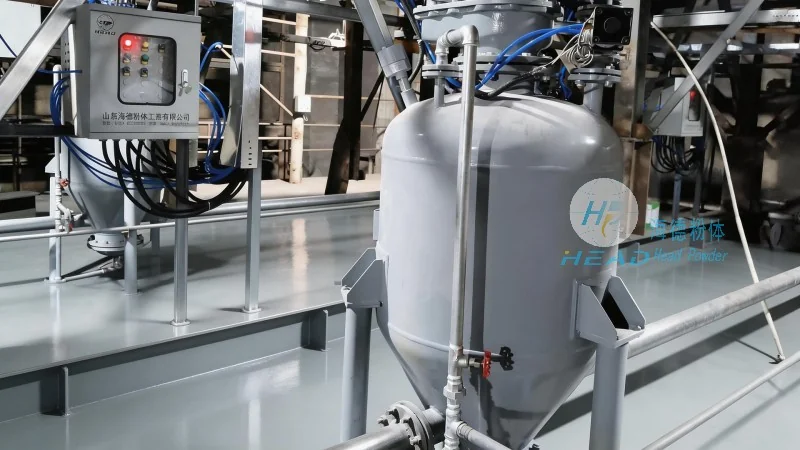
Flexible Layout and Scalability: The system can be customized to fit various industrial layouts, allowing for horizontal, vertical, or complex path transport. It also scales easily to accommodate increased production demands.
Energy Efficiency: Advanced air management and system design contribute to lower energy consumption compared to traditional methods, providing cost savings over time.
Key Components of HeadPowder's Pneumatic Conveying System
HeadPowder's pneumatic conveying system consists of several critical components that work together to ensure reliable and efficient sand transport. These include:
Air Supply Unit: Provides the necessary air pressure and flow to move the sand through the system.
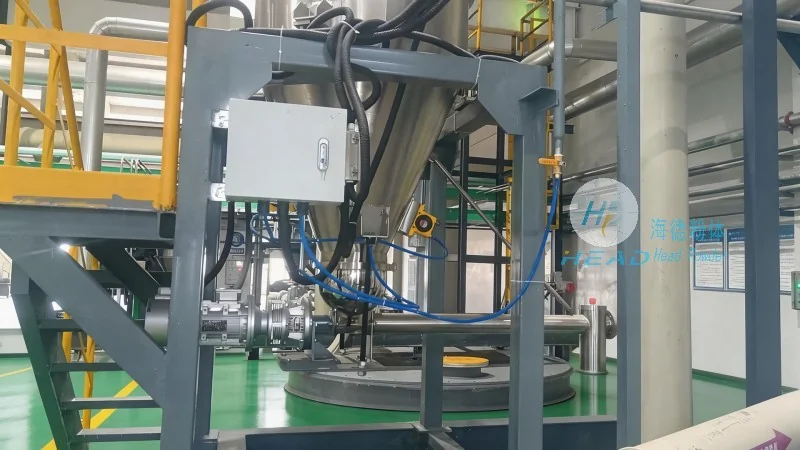
Material Feeders: Ensures consistent and controlled feeding of abrasive sand into the conveying line.
Pipeline System: The main transport pathway, often made from durable materials resistant to abrasion.
Dust Separation and Collection: Systems to separate sand from air and collect dust for safe disposal.
Conclusion: Choosing the Right Conveying Solution for Abrasive Sand
When selecting a conveying method for abrasive sand, it is essential to consider factors such as material properties, operational requirements, and long-term cost-effectiveness. While traditional methods like belt and screw conveyors have their uses, they often fall short in handling the abrasive nature of sand, leading to higher maintenance and operational costs. HeadPowder's pneumatic conveying system offers a superior alternative, combining efficiency, durability, and flexibility to meet the demands of modern industrial applications. By investing in a well-designed pneumatic conveying system from HeadPowder, industries can enhance productivity, reduce downtime, and ensure a safer working environment for their operations.

 Công ty TNHH Kỹ thuật Công trình Bột Hải Đức Sơn Đông
 156-6277-7102(Quản lý Trương)
  0531-83386006
  Quận Chương Khâu, Thành phố Tế Nam, Tỉnh Sơn Đông, Trung Quốc
Điện thoại
WeChatTư vấn
Lên đầu