Công ty Hải Đức Bột với hơn 10 năm kinh nghiệm vận chuyển khí, cung cấp hệ thống‑thiết bị‑quạt gió và nhận dự án tổng thầu bột cả nước
Calcite, a widely used mineral in various industrial applications, requires efficient and reliable conveying methods to ensure smooth operations. Traditional methods such as mechanical conveyors, including belt conveyors, screw conveyors, and bucket elevators, have been commonly employed for calcite transport. However, these systems often face challenges like material degradation, high maintenance costs, and limited flexibility in handling different calcite types. To address these issues, pneumatic conveying has emerged as a preferred solution, offering enhanced efficiency and adaptability. This article explores common calcite conveying methods and highlights the advantages and features of HeadPowder's pneumatic conveying technology.
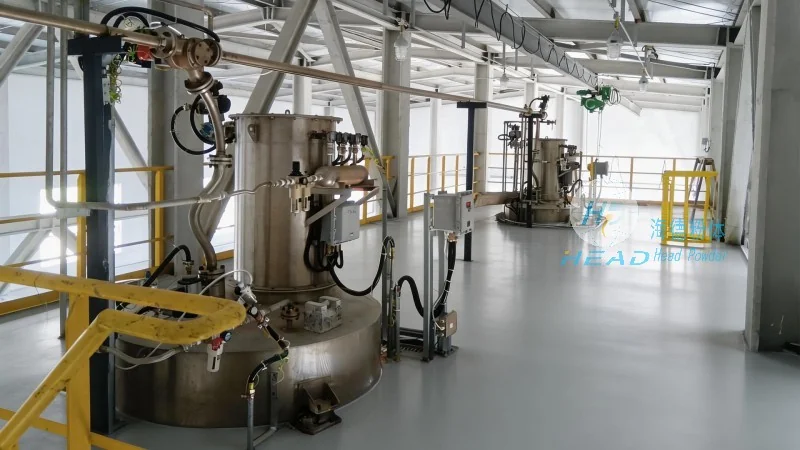
Common Mechanical Conveying Methods for Calcite
Before delving into pneumatic solutions, it's essential to understand traditional mechanical conveying methods used for calcite. Belt conveyors are widely utilized for transporting calcite over short to medium distances, particularly in mining and processing facilities. They are cost-effective and suitable for bulk material handling but may suffer from material spillage and wear on the belt surface. Screw conveyors, also known as auger conveyors, are ideal for vertical or inclined transport of calcite, especially in applications requiring enclosed systems to prevent dust emissions. However, they have limitations in handling sticky or abrasive calcite, as the screw and casing can experience significant wear over time. Bucket elevators are another mechanical option, designed to lift calcite vertically with buckets attached to a chain or belt. While effective for vertical transport, they may struggle with high-capacity calcite loads and require regular maintenance to prevent mechanical failures.
Pneumatic Conveying: A Modern Solution for Calcite Transport
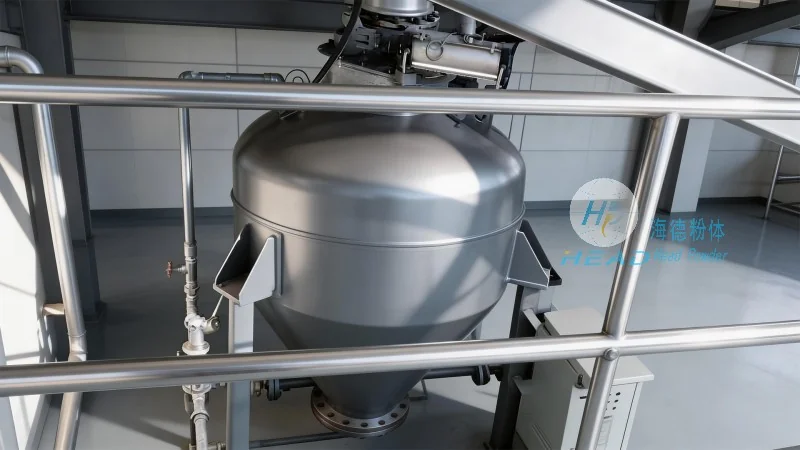
Pneumatic conveying, or air-based transport, utilizes compressed air to move calcite particles through a pipeline system. This method offers several advantages over mechanical conveyors, including reduced material degradation, lower energy consumption, and improved safety by eliminating moving parts at the material handling point. HeadPowder, a leading provider of calcite conveying solutions, specializes in designing and manufacturing advanced pneumatic systems tailored to the unique needs of calcite processing industries.
Advantages of HeadPowder's Pneumatic Conveying System
HeadPowder's pneumatic conveying system for calcite is engineered to deliver superior performance and reliability. One of the key advantages is its high efficiency in transporting calcite over long distances with minimal pressure drop. The system utilizes a combination of positive and negative pressure zones to ensure consistent material flow, reducing the need for frequent maintenance and downtime. Additionally, the system is designed with corrosion-resistant materials, such as stainless steel and special coatings, to withstand the chemical properties of calcite and prevent equipment degradation. This ensures a longer service life and lower operational costs for users.
Environmental and Operational Benefits
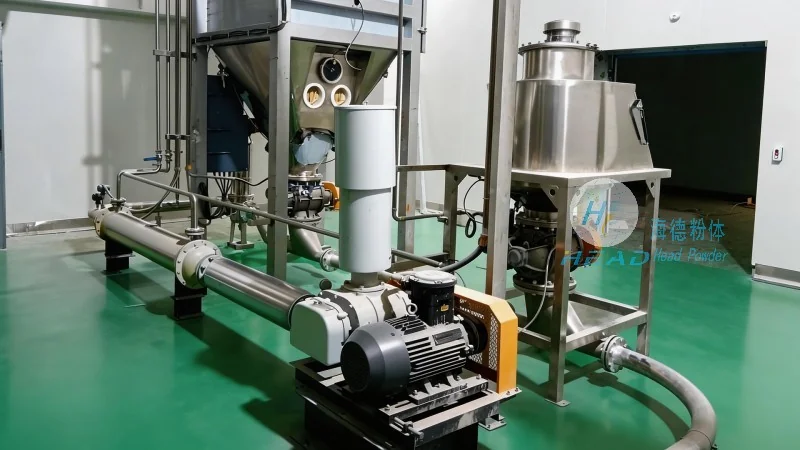
Environmental considerations are a critical factor in modern calcite processing. HeadPowder's pneumatic conveying system is designed to minimize dust emissions and environmental impact. By using enclosed pipelines and advanced filtration systems, the system effectively controls dust generation, complying with environmental regulations and improving workplace safety. Furthermore, the system operates with lower noise levels compared to mechanical conveyors, creating a more comfortable working environment. From an operational perspective, the system offers flexibility in handling different calcite types, including fine powders and coarse particles, without the need for additional equipment modifications. This adaptability allows users to scale their operations efficiently and respond to changing production demands.
Customization and Reliability
HeadPowder understands that each calcite processing facility has unique requirements. Therefore, their pneumatic conveying systems are customizable to meet specific application needs. The company offers a range of components, including feeders, separators, and control systems, that can be integrated into the overall conveying line. This customization ensures optimal performance and compatibility with existing infrastructure. Reliability is a top priority for HeadPowder, as their systems are built with high-quality components and undergo rigorous testing to ensure consistent operation. The company provides comprehensive after-sales support, including maintenance services and technical assistance, to ensure long-term system reliability and user satisfaction.
Conclusion
In conclusion, while mechanical conveyors have been traditional choices for calcite transport, pneumatic conveying offers significant advantages in terms of efficiency, flexibility, and environmental impact. HeadPowder's pneumatic conveying system for calcite stands out as a reliable and advanced solution, designed to meet the evolving needs of the industry. By leveraging their expertise and commitment to quality, HeadPowder provides customers with a cost-effective and sustainable method for calcite conveying, enhancing overall operational performance and productivity.

 Công ty TNHH Kỹ thuật Công trình Bột Hải Đức Sơn Đông
 156-6277-7102(Quản lý Trương)
  0531-83386006
  Quận Chương Khâu, Thành phố Tế Nam, Tỉnh Sơn Đông, Trung Quốc
Điện thoại
WeChatTư vấn
Lên đầu