Công ty Hải Đức Bột với hơn 10 năm kinh nghiệm vận chuyển khí, cung cấp hệ thống‑thiết bị‑quạt gió và nhận dự án tổng thầu bột cả nước
When it comes to the efficient and reliable transportation of salt, selecting the appropriate conveying method is crucial for industrial operations. The choice of salt conveyance system directly impacts productivity, safety, and operational costs. In this article, we will explore the various methods used for salt conveyance, highlighting the key features and applications of each approach.
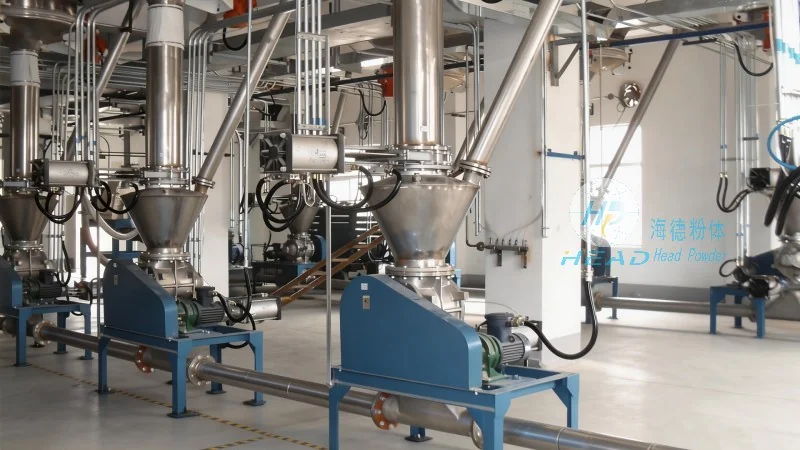
Understanding Salt Conveyance Systems
Salt conveyance involves the movement of bulk salt from storage areas to processing facilities or distribution points. The primary goal is to ensure a consistent and uninterrupted flow of material while minimizing downtime and maintenance requirements. Different industries, such as food processing, chemical manufacturing, and de-icing operations, may require specialized salt conveyance solutions tailored to their specific needs.
Common Methods of Salt Conveyance
Several methods are widely used in the industry for salt conveyance. Each method has its own advantages and is suitable for different operational conditions. The most common approaches include screw conveyors, belt conveyors, bucket elevators, and pneumatic conveying systems.
Screw Conveyors for Salt Transport
Screw conveyors, also known as auger conveyors, are among the most common equipment used for salt conveyance. These systems consist of a rotating helical screw within a tube or trough. As the screw rotates, it pushes the salt forward, allowing for a continuous and controlled flow. Screw conveyors are particularly effective for horizontal or slightly inclined transport of granular materials like salt. They are often used in applications where the material needs to be elevated or moved over short to medium distances. The design of screw conveyors allows for easy integration into existing processing lines, making them a versatile choice for many industrial settings.
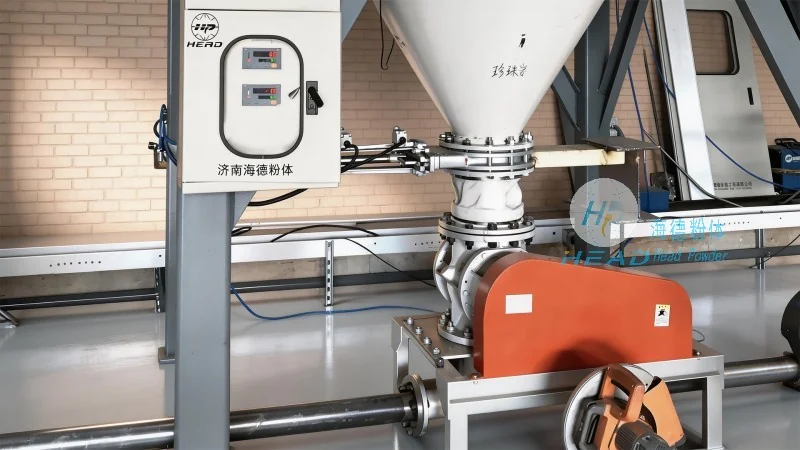
Belt Conveyors for Bulk Salt Handling
Belt conveyors are another popular method for transporting large quantities of salt. These systems utilize a continuous belt that moves over rollers or pulleys, carrying the salt from one location to another. Belt conveyors are highly efficient for long-distance transport and can handle high volumes of material. They are commonly used in mining, construction, and food processing industries where the need to move large amounts of salt over extended distances is present. The robust construction of belt conveyors makes them suitable for heavy-duty applications, and they can be customized with different belt materials to handle various types of salt, including coarse or fine granules.
Bucket Elevators for Vertical Salt Transport
For applications requiring vertical transport of salt, bucket elevators are an excellent choice. These systems consist of a vertical or inclined conveyor with buckets attached to a chain or belt. As the buckets move up the conveyor, they scoop up the salt and deposit it at the top. Bucket elevators are ideal for moving salt from storage silos to processing equipment or for elevating salt to higher levels in a facility. They are capable of handling a wide range of salt types and can operate at high speeds, ensuring efficient material movement. The enclosed design of bucket elevators helps prevent dust and contamination, making them suitable for food and pharmaceutical applications where hygiene is critical.
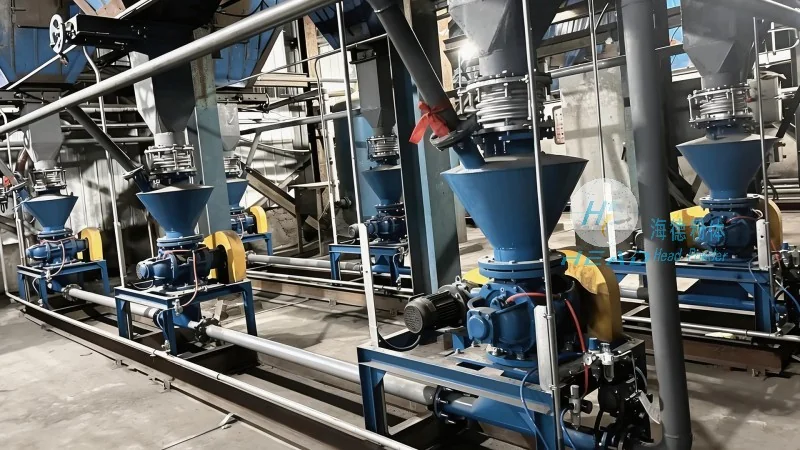
Pneumatic Conveying Systems for Salt
Pneumatic conveying systems use air or other gases to transport salt through a pipeline. This method is particularly useful for transporting fine or dusty salt without the need for mechanical components that might cause wear or contamination. Pneumatic conveyors can be either positive or negative pressure systems, depending on the application. Positive pressure systems blow air through the pipe, pushing the salt forward, while negative pressure systems create a vacuum to draw the salt into the system. Pneumatic conveying is often used in applications where the salt needs to be transported over long distances or through complex layouts, such as in large-scale de-icing operations or chemical processing plants.
Choosing the Right Salt Conveyance Method
The selection of the appropriate salt conveyance method depends on several factors, including the type of salt (e.g., granular, crystalline), the distance and elevation changes required, the volume of material to be transported, and the specific operational environment. For example, screw conveyors are often preferred for horizontal transport of coarse salt, while bucket elevators are better suited for vertical lifting. Belt conveyors excel in long-distance horizontal transport, and pneumatic systems are ideal for fine salt or when dust control is a priority.
Company Information: Shandong HeadPowder Engineering Co., Ltd.
Shandong HeadPowder Engineering Co., Ltd., a leading manufacturer in the field of bulk material handling equipment, specializes in providing customized salt conveyance solutions. With years of experience and a commitment to quality, the company offers a range of conveyors and systems tailored to meet the unique needs of its clients. HeadPowder's products are designed to ensure efficient, safe, and reliable salt transport, helping industries improve their operational efficiency and reduce costs. The company's headquarters is located in Shandong, China, where it continues to innovate and develop advanced conveying technologies to serve the global market.

 Công ty TNHH Kỹ thuật Công trình Bột Hải Đức Sơn Đông
 156-6277-7102(Quản lý Trương)
  0531-83386006
  Quận Chương Khâu, Thành phố Tế Nam, Tỉnh Sơn Đông, Trung Quốc
Điện thoại
WeChatTư vấn
Lên đầu