Công ty Hải Đức Bột với hơn 10 năm kinh nghiệm vận chuyển khí, cung cấp hệ thống‑thiết bị‑quạt gió và nhận dự án tổng thầu bột cả nước
Loess, a type of fine-grained soil, is commonly transported using various methods tailored to specific project requirements and operational conditions. Understanding the different approaches to loess transportation is crucial for efficient construction and earthmoving tasks. This article explores the primary methods used for moving loess, highlighting the equipment and techniques that ensure effective and safe handling of this material.
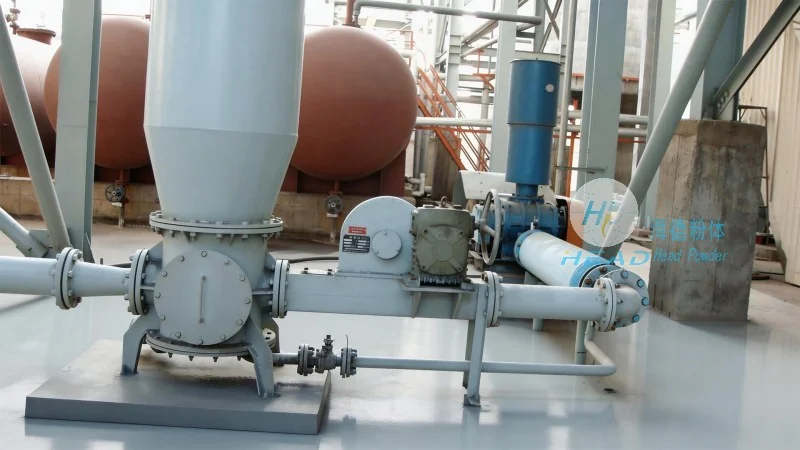
1. Mechanical Conveying Systems
One of the most common methods for loess transportation involves mechanical conveying systems. These systems utilize machinery such as belt conveyors, screw conveyors, and bucket elevators to transport loess from one location to another. Belt conveyors, for instance, are widely used in construction sites due to their ability to handle large volumes of material over long distances. The smooth operation of belt conveyors ensures minimal material loss and reduces the risk of dust generation, which is particularly important when dealing with fine loess particles. Screw conveyors, on the other hand, are ideal for vertical or inclined transport, making them suitable for projects where the loess needs to be moved to different elevations. These mechanical systems are often integrated with dust control measures, such as enclosures and filtration, to maintain a clean working environment. The efficiency of mechanical conveying systems is enhanced by their ability to operate continuously, minimizing downtime and improving overall productivity.
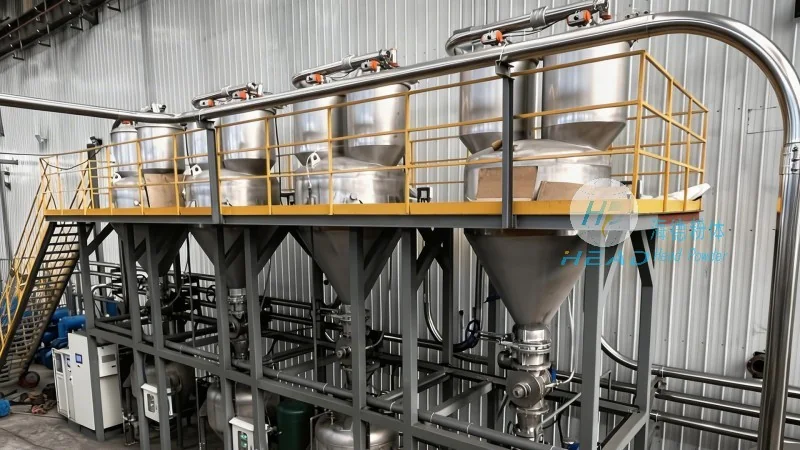
2. Hydraulic Transport Methods
Hydraulic transport methods represent another significant approach to loess transportation. This technique involves using water to mix loess with a liquid medium, creating a slurry that can be pumped through pipelines. The slurry, composed of loess particles suspended in water, is then transported to the desired location. Hydraulic transport is particularly effective for long-distance or underground applications, as it allows for the movement of loess through narrow passages or over challenging terrains. The process typically begins with the mixing of loess and water at a central location, followed by pumping the slurry through high-pressure pipelines. Once the slurry reaches its destination, it is often dewatered to recover the loess, which can then be used for construction purposes. Hydraulic transport systems are known for their ability to handle high volumes of material and their relatively low environmental impact compared to other methods. However, they require careful management of water usage and slurry disposal to prevent contamination of local water sources.
3. Truck and Heavy Machinery Transport
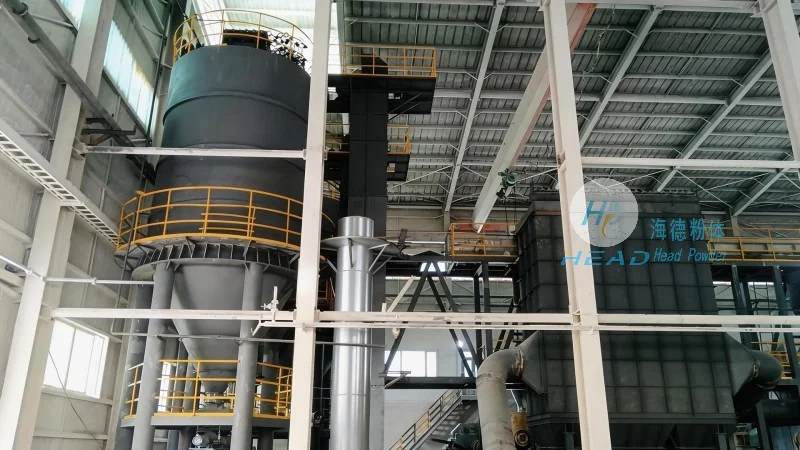
For shorter distances or on-site movements, truck and heavy machinery transport remains a practical and widely adopted method for loess transportation. This approach involves using dump trucks, front-end loaders, and excavators to load loess into transport vehicles. The material is then moved to the construction site or storage area. Truck transport is particularly advantageous for its flexibility and ability to access remote or uneven terrain. The use of heavy machinery, such as excavators and loaders, allows for efficient loading and unloading of loess, reducing the time required for material handling. However, this method may generate more dust compared to mechanical or hydraulic systems, necessitating the use of dust suppression measures like water sprays or covers. The cost-effectiveness of truck and machinery transport makes it a popular choice for many construction projects, especially when the distance to be covered is relatively short.
4. Air-Driven Transport Systems
Air-driven transport systems offer an alternative method for loess transportation, particularly in situations where other systems are not feasible. This technique involves using air pressure to move loess particles through a pipeline. The loess is first mixed with a small amount of air or gas, creating a pneumatic stream that propels the material forward. Air-driven systems are often used for short to medium distances and are particularly effective in confined spaces or areas with limited access. The primary advantage of this method is its ability to transport loess without the need for water, which can be beneficial in arid regions or when water availability is limited. However, air-driven systems may require more energy to operate and can be less efficient for large volumes of material compared to other methods. Proper maintenance of the air compressors and pipelines is essential to ensure the smooth operation of these systems and prevent material blockages.
5. Combination Methods
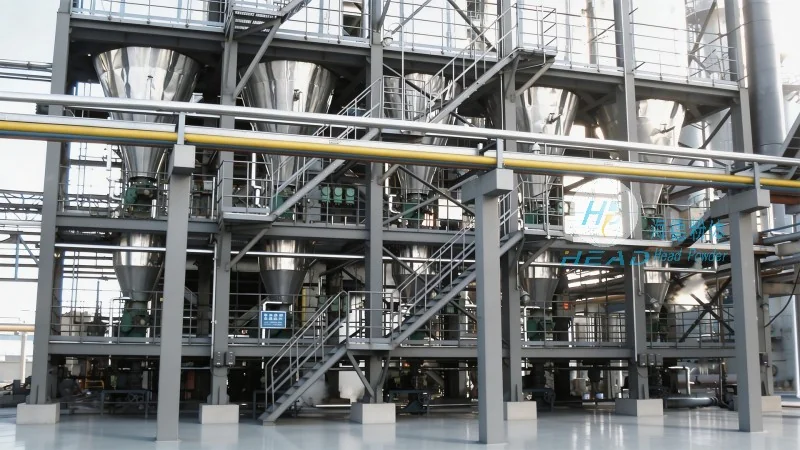
In many cases, a combination of the above methods is employed to optimize loess transportation. For example, a project might use hydraulic transport for long-distance movement and then switch to truck transport for on-site distribution. This hybrid approach allows for the efficient handling of loess from the source to the final construction site. The use of combination methods is particularly common in large-scale construction projects where different segments of the project require different transportation solutions. By integrating multiple systems, contractors can achieve greater flexibility and adaptability in their operations, ensuring that loess is moved safely and efficiently regardless of the project's specific requirements.
When selecting the appropriate method for loess transportation, several factors must be considered, including the distance to be covered, the volume of material, the terrain, and environmental regulations. Each method has its own advantages and limitations, and the choice of system should be tailored to the specific needs of the project. Proper planning and equipment selection are crucial to ensure that loess is transported effectively while minimizing risks and costs. As a leading provider of engineering solutions, Shandong HeadPowder Engineering Co., Ltd. specializes in designing and implementing customized loess transportation systems that meet the unique requirements of each project. With a focus on efficiency, safety, and environmental responsibility, HeadPowder offers comprehensive solutions for all stages of loess handling, from extraction to final placement.

 Công ty TNHH Kỹ thuật Công trình Bột Hải Đức Sơn Đông
 156-6277-7102(Quản lý Trương)
  0531-83386006
  Quận Chương Khâu, Thành phố Tế Nam, Tỉnh Sơn Đông, Trung Quốc
Điện thoại
WeChatTư vấn
Lên đầu