Công ty Hải Đức Bột với hơn 10 năm kinh nghiệm vận chuyển khí, cung cấp hệ thống‑thiết bị‑quạt gió và nhận dự án tổng thầu bột cả nước
Sediment transport is a critical process in various industries, including construction, environmental management, and water resource development. Understanding the different methods of transporting sediment is essential for efficient project execution and environmental sustainability. This article will explore the primary methods used for sediment transport, focusing on their applications, advantages, and considerations.
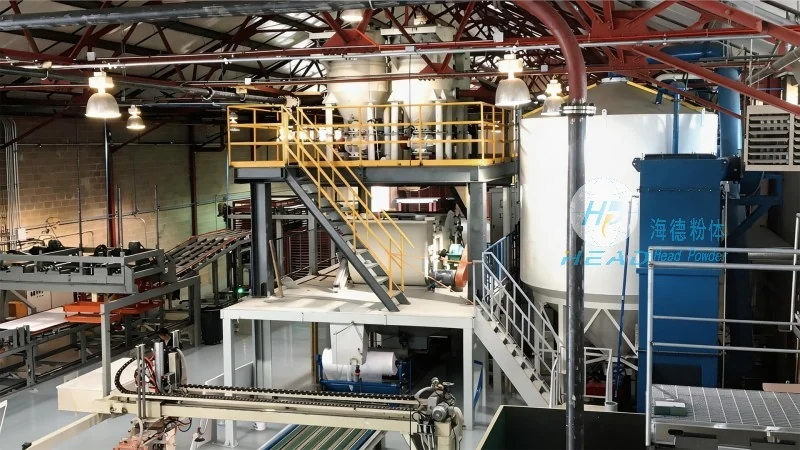
1. Gravity Transport
Gravity transport, also known as natural flow or open channel transport, relies on the force of gravity to move sediment through channels or natural waterways. This method is commonly used in riverine and coastal environments where the topography allows for a natural slope. The sediment moves under the influence of water flow, with the velocity and depth of the water determining the capacity to carry sediment. Gravity transport is often cost-effective as it requires minimal infrastructure, but it is dependent on natural conditions and may not be suitable for all project sites. For example, in river dredging projects, gravity transport can be used to move sediment from the riverbed to a disposal area, leveraging the existing water flow to minimize energy consumption.
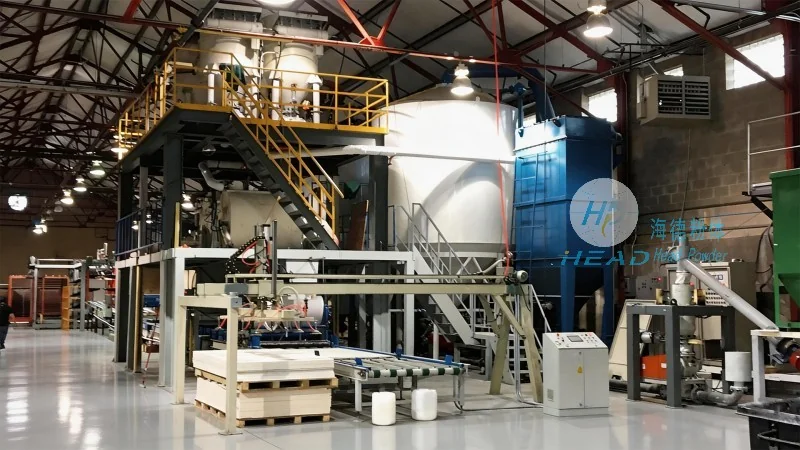
2. Pumped Transport
Pumped transport utilizes mechanical pumps to move sediment through pipelines or hoses. This method is particularly effective in areas with low natural gradients or where the distance to be covered is significant. The pumps can generate sufficient pressure to overcome friction losses in the pipeline and lift sediment from lower elevations to higher ones. There are different types of pumps used for sediment transport, such as centrifugal pumps, submersible pumps, and slurry pumps, each with specific characteristics suited to different sediment types and flow rates. For instance, in industrial applications, slurry pumps are commonly used to transport mixtures of water and solid particles, such as in mining or construction waste management. The efficiency of pumped transport depends on the pump's capacity, the viscosity of the slurry, and the length and diameter of the pipeline. Proper maintenance and selection of the right pump are crucial to ensure reliable operation and minimize downtime.
3. Pipeline Transport
Pipeline transport is a versatile method that combines the benefits of both gravity and pumped transport. It involves using closed pipelines to move sediment, which can be either gravity-fed or pumped. This method is widely used in large-scale projects, such as dam construction, port development, and land reclamation, where large volumes of sediment need to be moved over long distances. The pipelines can be made of various materials, including steel, polyethylene, or concrete, depending on the pressure requirements and the type of sediment being transported. For example, in coastal engineering projects, pipelines are used to transport dredged sediment from the seabed to onshore disposal sites, ensuring that the material is handled safely and efficiently. The advantages of pipeline transport include reduced environmental impact compared to open-water transport, as it minimizes the disturbance to aquatic ecosystems, and improved control over the transport process. However, it requires significant upfront investment in pipeline construction and may face challenges related to pipeline maintenance and potential blockages from sediment deposition.
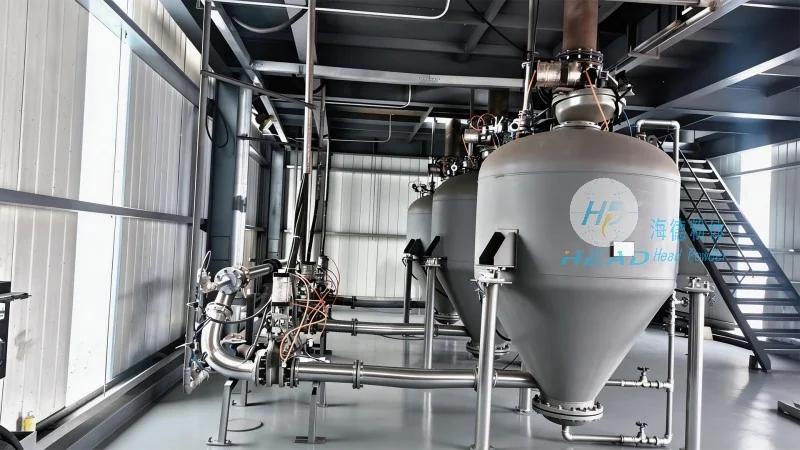
4. Hydraulic Transport
Hydraulic transport, also known as slurry transport, involves mixing sediment with water to create a slurry that is then transported through pipelines. This method is particularly effective for transporting fine-grained sediments, such as silt and clay, which are difficult to move using other methods. The slurry is typically pumped through pipelines using high-pressure pumps, and the water content helps to reduce the friction between the sediment particles and the pipe walls, improving the flow characteristics. Hydraulic transport is commonly used in mining operations to move ore and tailings, as well as in construction projects to transport fill material. The key to successful hydraulic transport is maintaining the correct water-to-sediment ratio, as too much water can lead to excessive energy consumption and reduced transport efficiency, while too little water can cause the slurry to become too thick and block the pipeline. Proper monitoring of the slurry's viscosity and flow rate is essential to ensure optimal performance and prevent pipeline damage.
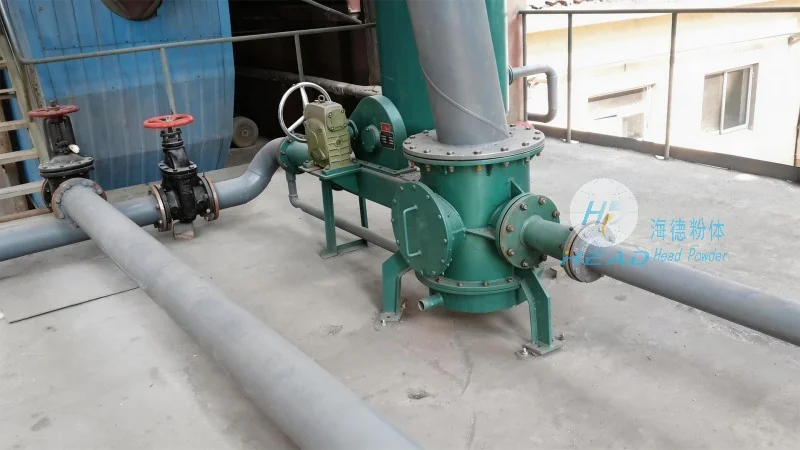
5. Mechanical Transport
Mechanical transport methods use equipment such as conveyor belts, buckets, or excavators to move sediment. These methods are typically used in short-distance or on-site applications where the sediment needs to be moved from one location to another within a construction site or industrial facility. For example, in earthmoving projects, conveyor belts are used to transport excavated soil from the excavation site to the disposal area, while excavators with buckets are used to load sediment into trucks for off-site transport. Mechanical transport is often more flexible than pipeline or pumped transport, as it can handle a wide range of sediment types and sizes. However, it may be less efficient for large volumes of sediment and can be more labor-intensive and costly compared to hydraulic methods. The choice of mechanical transport equipment depends on the size and type of sediment, the distance to be covered, and the operational requirements of the project.
About HeadPowder Engineering
HeadPowder Engineering, a leading provider of engineering solutions, specializes in sediment transport systems and related services. With a strong presence in Shandong, China, the company offers comprehensive solutions tailored to the specific needs of various industries. HeadPowder Engineering leverages advanced technology and expertise to design, manufacture, and install efficient sediment transport systems, ensuring optimal performance and reliability. The company's commitment to quality and customer satisfaction has made it a trusted partner for projects involving sediment management, from small-scale dredging operations to large-scale infrastructure development. By combining innovative engineering approaches with practical application, HeadPowder Engineering helps clients achieve their project goals while minimizing environmental impact and operational costs.

 Công ty TNHH Kỹ thuật Công trình Bột Hải Đức Sơn Đông
 156-6277-7102(Quản lý Trương)
  0531-83386006
  Quận Chương Khâu, Thành phố Tế Nam, Tỉnh Sơn Đông, Trung Quốc
Điện thoại
WeChatTư vấn
Lên đầu