Công ty Hải Đức Bột với hơn 10 năm kinh nghiệm vận chuyển khí, cung cấp hệ thống‑thiết bị‑quạt gió và nhận dự án tổng thầu bột cả nước
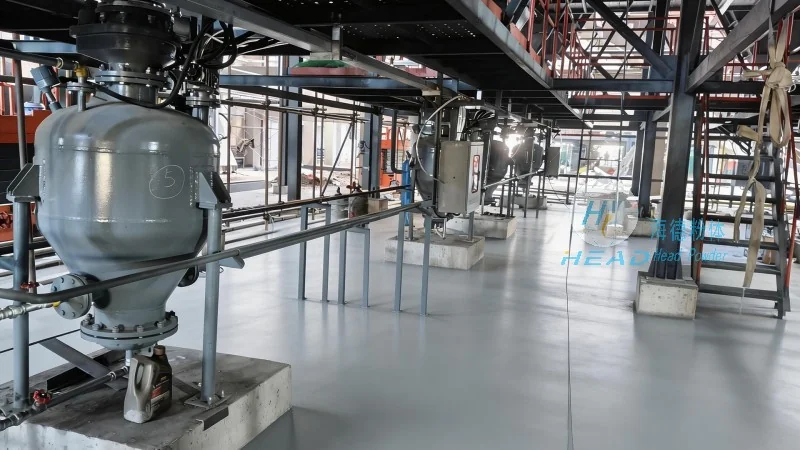
Efficient material handling is a critical component in various industrial and construction applications, particularly when dealing with aggregates like sand and gravel. The choice of conveying method can significantly impact operational efficiency, cost-effectiveness, and safety. This article explores the primary types of aggregate conveying methods, providing insights into their applications and advantages.
Understanding Aggregate Conveying
Aggregate conveying involves the movement of bulk materials from one location to another within a processing facility or construction site. The selection of an appropriate conveying system depends on factors such as material characteristics, distance, volume, and the environment of operation. Different methods are designed to address specific challenges, ensuring that materials are transported safely and efficiently.
Common Types of Aggregate Conveying Methods
Several technologies are commonly used for transporting aggregates, each with its own set of advantages and limitations. The most prevalent methods include belt conveyors, bucket elevators, screw conveyors, and pneumatic conveyors. Each system is tailored to meet the unique demands of different industries and applications.
Belt Conveyors
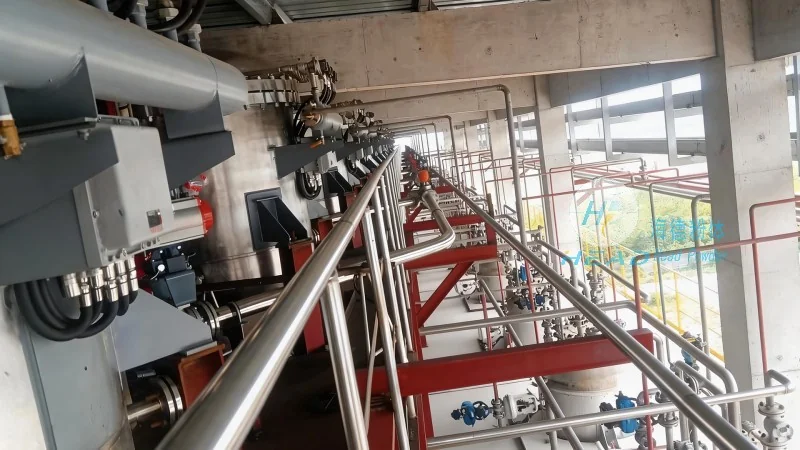
Belt conveyors are one of the most widely used methods for transporting aggregates. These systems consist of a continuous loop of belt that moves over rollers or pulleys, transporting material from the loading point to the discharge point. The primary advantage of belt conveyors is their ability to handle large volumes of material over long distances with minimal maintenance. They are particularly suitable for horizontal or slightly inclined transport, making them ideal for use in quarries, mining operations, and construction sites. The robust design of belt conveyors allows them to withstand heavy loads and harsh environmental conditions, ensuring reliable performance in demanding applications.
Bucket Elevators
Bucket elevators are vertical or inclined conveyors that use a series of buckets attached to a belt or chain to lift and transport materials. This method is highly effective for vertical or steeply inclined transport, making it suitable for applications where space is limited or where material needs to be elevated to a significant height. Bucket elevators are commonly used in cement plants, flour mills, and other industries that require the vertical movement of bulk materials. The design of bucket elevators allows for efficient material handling with minimal spillage, as the buckets are designed to carry material securely during the lifting process. This makes them an excellent choice for transporting aggregates in environments where dust control and material containment are critical.
Screw Conveyors
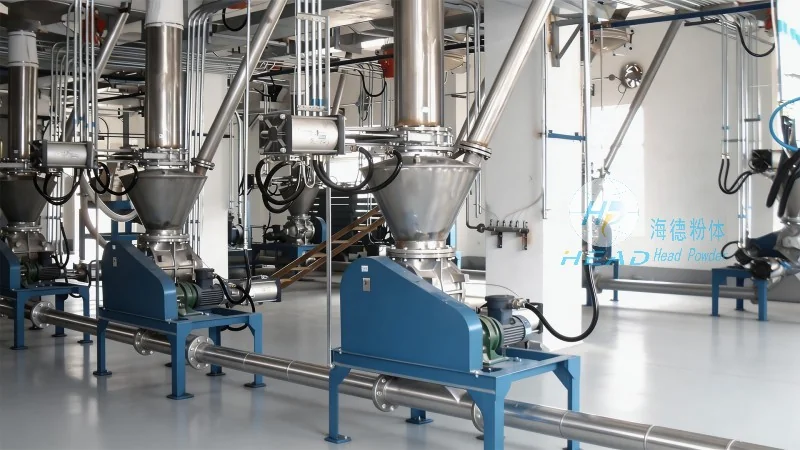
Screw conveyors, also known as auger conveyors, use a rotating screw to move material along a trough. This method is ideal for horizontal or slightly inclined transport of granular materials, including sand and gravel. Screw conveyors are particularly effective in applications where the material is free-flowing and does not contain large, abrasive particles. The design of screw conveyors allows for a compact footprint, making them suitable for installations with limited space. They are commonly used in feed mills, chemical plants, and construction material processing facilities. The smooth operation of screw conveyors ensures minimal material degradation and low maintenance requirements, contributing to their widespread adoption in aggregate handling.
Pneumatic Conveyors
Pneumatic conveyors use air pressure to transport materials through a pipeline. This method is particularly useful for transporting fine or dusty materials, as it can handle materials that are difficult to convey with other systems. Pneumatic conveyors are commonly used in industries such as food processing, pharmaceuticals, and construction material handling. They are effective for both horizontal and vertical transport, making them versatile for various applications. The primary advantage of pneumatic conveyors is their ability to transport materials over long distances with minimal loss and contamination. However, they require careful design to ensure efficient air flow and material transport, as the system can be sensitive to material characteristics and pipeline design.
Choosing the Right Conveying Method
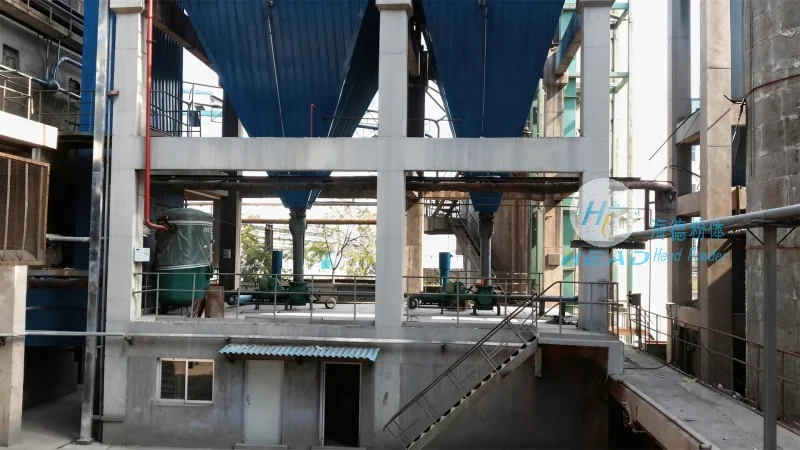
When selecting an aggregate conveying method, several factors must be considered to ensure optimal performance and cost-effectiveness. The type of material being transported, the distance and elevation changes, the required throughput, and the available space are all critical considerations. For example, belt conveyors are often preferred for long horizontal distances, while bucket elevators are ideal for vertical transport. Screw conveyors are suitable for compact installations, and pneumatic conveyors are effective for fine or dusty materials. It is essential to evaluate the specific requirements of the application and consult with industry experts to determine the most appropriate conveying system.
Conclusion
Aggregate conveying methods play a vital role in the efficient operation of various industries, ensuring that materials are transported safely and effectively. The choice of conveying system depends on a range of factors, including material characteristics, distance, and operational environment. By understanding the advantages and limitations of each method, businesses can select the most suitable solution to meet their needs. As technology continues to advance, new and improved conveying systems are being developed to enhance material handling efficiency and sustainability. For more information on aggregate conveying solutions, contact Shandong HeadPowder Engineering Co., Ltd., a leading provider of engineering solutions for material handling in China.

 Công ty TNHH Kỹ thuật Công trình Bột Hải Đức Sơn Đông
 156-6277-7102(Quản lý Trương)
  0531-83386006
  Quận Chương Khâu, Thành phố Tế Nam, Tỉnh Sơn Đông, Trung Quốc
Điện thoại
WeChatTư vấn
Lên đầu