Công ty Hải Đức Bột với hơn 10 năm kinh nghiệm vận chuyển khí, cung cấp hệ thống‑thiết bị‑quạt gió và nhận dự án tổng thầu bột cả nước
When it comes to the efficient and reliable transportation of small materials in industrial settings, selecting the right conveying method is crucial. The choice of system impacts not only operational efficiency but also the overall safety and cost-effectiveness of material handling processes. Among the various options available, pneumatic conveying stands out as a versatile solution for handling fine powders, granules, and other small particulate materials. This article explores common small material conveying methods and highlights the advantages and features of HeadPowder's pneumatic conveying systems.
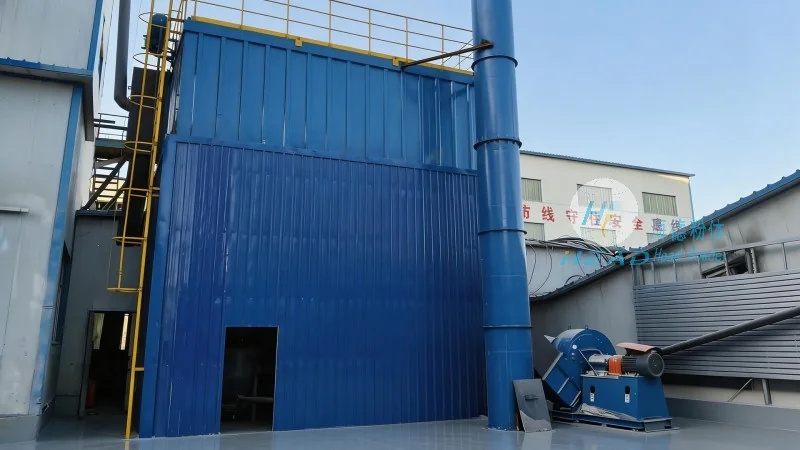
Understanding Common Small Material Conveying Methods
Traditional small material conveying often relies on mechanical systems such as screw conveyors, belt conveyors, and bucket elevators. Screw conveyors, for instance, are widely used for horizontal or slight incline transport of bulk materials. They are simple in design and relatively low-cost, making them suitable for applications where material flow is consistent and the risk of dust explosion is low. However, screw conveyors have limitations when dealing with abrasive or sticky materials, as they can cause wear and blockages over time. Belt conveyors, on the other hand, are ideal for transporting larger or heavier materials over longer distances. They offer high throughput and are commonly used in mining and construction industries. Yet, they require significant space and maintenance, and their effectiveness with fine powders is limited due to the risk of material degradation or spillage.
Introducing HeadPowder's Pneumatic Conveying Solutions
HeadPowder Engineering Co., Ltd., based in Shandong, China, specializes in providing advanced pneumatic conveying systems tailored for small material handling. The company's expertise lies in designing and manufacturing customized solutions that address the unique challenges of transporting fine powders and granules. Pneumatic conveying, also known as air conveying, uses compressed air to move materials through a pipeline system. This method offers several advantages over traditional mechanical systems, including the ability to transport materials over long distances without the need for multiple transfer points, reduced risk of material contamination, and lower maintenance requirements.
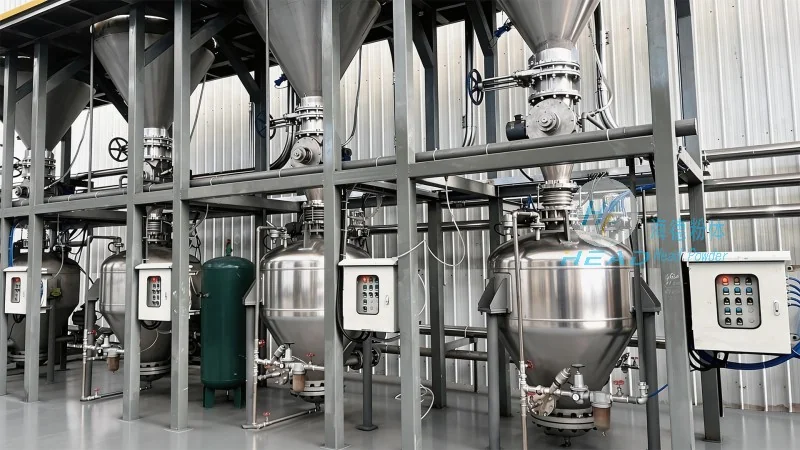
Key Advantages of HeadPowder's Pneumatic Conveying Systems
One of the primary advantages of HeadPowder's pneumatic conveying systems is their flexibility. These systems can be configured for both dilute-phase and dense-phase conveying, allowing for adaptation to different material properties and process requirements. Dilute-phase conveying, which involves transporting materials in a suspended state within the air stream, is suitable for materials that are non-abrasive and have a low dust content. Dense-phase conveying, on the other hand, uses higher air pressure to push materials in a slurry-like state, making it ideal for handling abrasive or sticky materials that are prone to clogging in traditional systems. This dual capability ensures that HeadPowder's solutions can meet the diverse needs of various industries, from pharmaceuticals and food processing to chemical manufacturing.
Enhanced Safety and Environmental Benefits
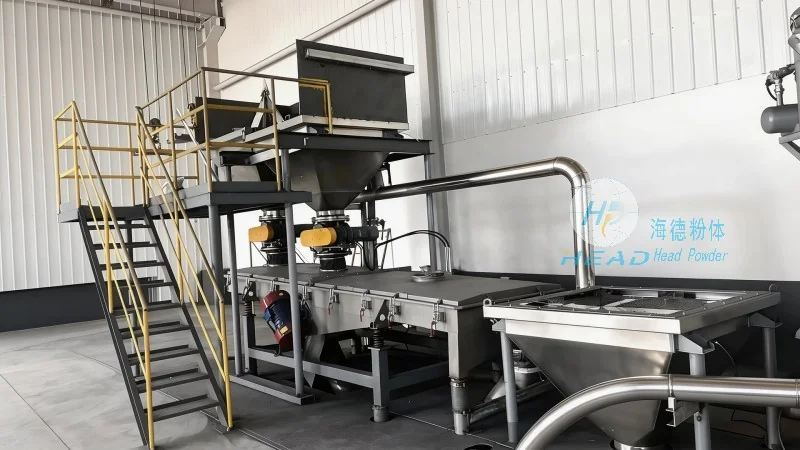
Another significant advantage of pneumatic conveying is its contribution to workplace safety and environmental protection. Unlike mechanical systems that may generate dust and debris, pneumatic conveying operates within enclosed pipelines, minimizing the risk of airborne contamination and dust explosions. This is particularly critical in industries where material handling involves hazardous substances or where regulatory compliance is mandatory. Additionally, the enclosed system reduces the risk of material loss and cross-contamination, ensuring product integrity and quality. HeadPowder's systems are designed with safety features such as pressure relief valves and dust collection filters, further enhancing operational safety and compliance with environmental standards.
Customization and Scalability for Diverse Applications
HeadPowder Engineering Co., Ltd. understands that no two industrial processes are identical. Therefore, the company offers comprehensive customization options to meet specific customer requirements. Whether it's a small-scale operation or a large-scale production line, HeadPowder's pneumatic conveying systems can be scaled to match the throughput and material handling needs. The company's engineering team works closely with clients to analyze their material characteristics, process flow, and operational constraints, ensuring that the final solution is optimized for performance and efficiency. This approach not only improves the overall effectiveness of the conveying system but also reduces long-term operational costs by minimizing downtime and maintenance.
Conclusion: Choosing the Right Conveying Solution for Small Materials
In conclusion, the choice of small material conveying method significantly impacts industrial operations. While traditional mechanical systems have their place, pneumatic conveying offers a superior alternative for many applications, especially those involving fine powders and granules. HeadPowder's pneumatic conveying systems, with their advanced technology, flexibility, and focus on safety, provide a reliable and efficient solution for businesses seeking to enhance their material handling processes. By leveraging the expertise of HeadPowder Engineering Co., Ltd., companies can achieve improved productivity, reduced costs, and enhanced product quality. As the demand for efficient and sustainable material handling solutions continues to grow, HeadPowder's pneumatic conveying systems remain a top choice for industries looking to optimize their operations and stay competitive in the market.

 Công ty TNHH Kỹ thuật Công trình Bột Hải Đức Sơn Đông
 156-6277-7102(Quản lý Trương)
  0531-83386006
  Quận Chương Khâu, Thành phố Tế Nam, Tỉnh Sơn Đông, Trung Quốc
Điện thoại
WeChatTư vấn
Lên đầu