Công ty Hải Đức Bột với hơn 10 năm kinh nghiệm vận chuyển khí, cung cấp hệ thống‑thiết bị‑quạt gió và nhận dự án tổng thầu bột cả nước
Wood fiber conveying is a critical process in various industrial applications, particularly in the manufacturing of paper, pulp, and other wood-based products. The efficiency and reliability of the conveying system directly impact production quality and operational costs. Shandong HeadPowder Engineering Co., Ltd., a leading provider of material handling solutions, specializes in designing and implementing effective wood fiber conveying systems tailored to specific industry needs. With a focus on durability, efficiency, and adaptability, their solutions cater to the unique challenges of transporting wood fibers, ensuring smooth and consistent material flow in production lines.
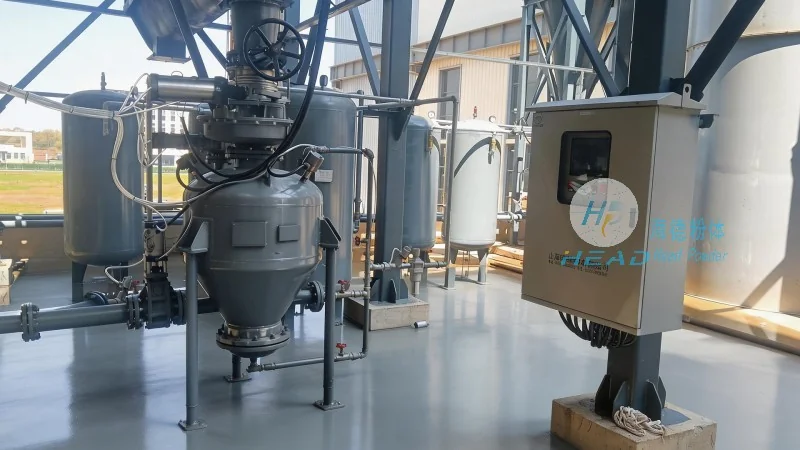
1. Screw Conveyors for Wood Fiber Transport
Screw conveyors, also known as auger conveyors, are among the most common and versatile methods for transporting wood fibers. These systems utilize a rotating helical screw inside a trough to move material forward. The design allows for both horizontal and inclined transport, making them suitable for various applications. Shandong HeadPowder Engineering Co., Ltd. offers high-quality screw conveyors engineered to handle different types of wood fibers, including sawdust, wood chips, and pulp. The conveyors are constructed with robust materials, such as stainless steel or corrosion-resistant alloys, to withstand the abrasive nature of wood fibers and ensure long service life. The company's screw conveyors are equipped with adjustable speed controls and variable pitch screws, enabling precise control over the conveying rate and material handling capacity. This flexibility allows manufacturers to optimize production processes and adapt to changing material requirements without significant downtime.
2. Belt Conveyors in Wood Fiber Handling
Belt conveyors are another widely used method for wood fiber conveying, especially in large-scale operations. These systems consist of a continuous belt that moves over rollers or pulleys, transporting material from one point to another. Belt conveyors are ideal for long-distance transport and can handle a wide range of wood fiber types, including dry and wet fibers. Shandong HeadPowder Engineering Co., Ltd. provides customized belt conveyor solutions designed to meet the specific demands of wood fiber processing facilities. The company's belt conveyors feature heavy-duty belts made from durable materials, such as rubber or synthetic fabrics, to resist wear and tear from wood fibers. The conveyors are equipped with tensioning systems and idler rollers to maintain proper belt alignment and reduce friction, enhancing efficiency and reducing maintenance needs. Additionally, the company offers variable speed drives and load sensors to monitor and control the conveying process, ensuring safe and efficient operation. Belt conveyors from Shandong HeadPowder Engineering Co., Ltd. are designed to integrate seamlessly with existing production lines, minimizing installation time and costs.
3. Pneumatic Conveying Systems for Wood Fiber Transport
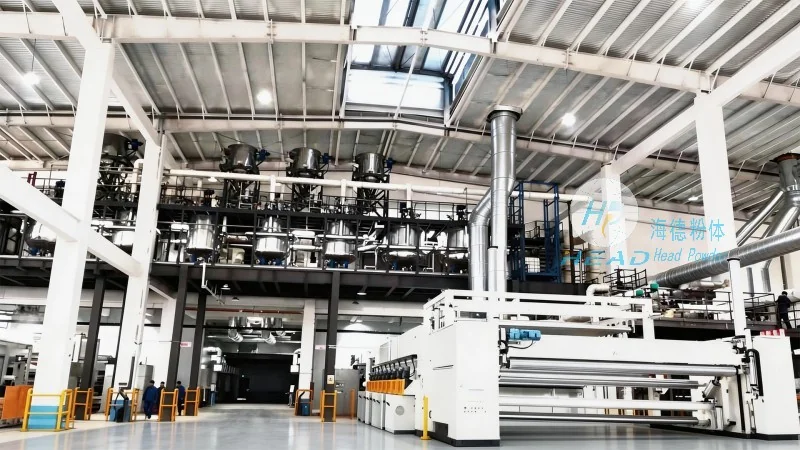
Pneumatic conveying systems, also known as air conveying, use compressed air to transport wood fibers through a pipeline. This method is particularly effective for handling fine wood fibers and dust, as it minimizes material degradation and contamination. Shandong HeadPowder Engineering Co., Ltd. specializes in designing and manufacturing pneumatic conveying systems tailored to the unique characteristics of wood fibers. The company's systems utilize positive pressure or negative pressure (vacuum) to move material, depending on the application requirements. Positive pressure systems are commonly used for short to medium-distance transport, while negative pressure systems are suitable for longer distances or when material needs to be transported from multiple sources. The company's pneumatic conveying systems are equipped with high-efficiency filters and cyclone separators to ensure clean air and prevent dust accumulation in the system. This design enhances safety and compliance with environmental regulations. Additionally, the company offers flexible hose and rigid pipe configurations, allowing for easy installation and adaptation to existing infrastructure. Pneumatic conveying from Shandong HeadPowder Engineering Co., Ltd. provides a dust-free and low-maintenance solution for wood fiber transport, reducing the need for additional cleaning and maintenance procedures.
4. Hydraulic Conveying for Specialized Wood Fiber Handling
Hydraulic conveying systems use fluid power to transport wood fibers, particularly in applications requiring high pressure or precise control. While less common than other methods, hydraulic conveyors are effective for handling abrasive or high-density wood fibers. Shandong HeadPowder Engineering Co., Ltd. provides specialized hydraulic conveying solutions designed to meet the demanding requirements of wood fiber processing. The company's hydraulic systems utilize high-pressure pumps and robust hoses to move material through a closed loop, ensuring consistent flow and pressure. These systems are ideal for applications where other conveying methods may not be suitable, such as transporting wood fibers in tight spaces or over uneven terrain. The company's hydraulic conveyors are equipped with pressure regulators and flow control valves to maintain stable operation and prevent damage to the system or material. Additionally, the company offers custom-designed hydraulic components to ensure compatibility with existing equipment and processes. Hydraulic conveying from Shandong HeadPowder Engineering Co., Ltd. offers a reliable and efficient solution for specialized wood fiber handling, providing manufacturers with a versatile option for their material transport needs.
5. Combined Conveying Systems for Enhanced Efficiency
In many industrial settings, a single conveying method may not be sufficient to meet all the requirements of wood fiber transport. Shandong HeadPowder Engineering Co., Ltd. offers combined conveying systems that integrate multiple technologies to enhance efficiency and flexibility. These systems typically combine screw, belt, or pneumatic conveyors with other equipment, such as feeders and classifiers, to create a comprehensive material handling solution. The company's combined systems are designed to optimize material flow, reduce downtime, and improve overall production efficiency. For example, a combined system might use a screw conveyor to feed a belt conveyor, which then transports the material to a pneumatic system for final processing. This integration allows for seamless material transfer and minimizes the need for manual handling or intermediate storage. Shandong HeadPowder Engineering Co., Ltd. works closely with clients to design and implement customized combined conveying systems that address specific production challenges and maximize operational performance. The company's expertise in material handling ensures that the combined systems are optimized for the unique characteristics of wood fibers, providing reliable and efficient transport solutions.
6. Factors to Consider When Choosing a Wood Fiber Conveying Method
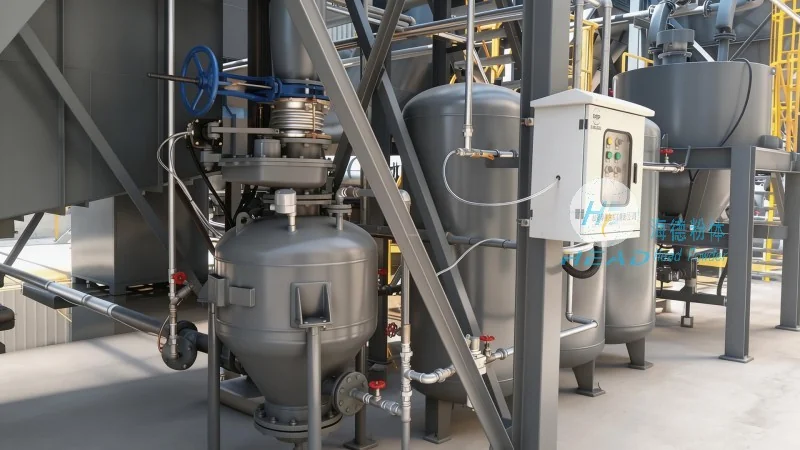
When selecting a wood fiber conveying method, several factors must be considered to ensure the best fit for the application. Shandong HeadPowder Engineering Co., Ltd. recommends evaluating the following aspects to make an informed decision:
1. **Material Characteristics**: The type, size, and moisture content of the wood fibers significantly impact the choice of conveying method. For example, fine wood fibers may require pneumatic or hydraulic systems, while larger chips may be better suited for screw or belt conveyors.
2. **Transport Distance and Layout**: The distance and layout of the production facility determine the most suitable conveying method. Short distances may use screw or belt conveyors, while longer distances may require pneumatic or combined systems.
3. **Production Capacity and Throughput**: The required material handling capacity and throughput rate influence the size and design of the conveying system. Higher capacity demands may necessitate larger or multiple conveyors.
4. **Environmental and Safety Requirements**: Compliance with environmental regulations and safety standards is crucial. Pneumatic and hydraulic systems, for example, offer dust-free operation and reduced noise levels, making them suitable for applications where environmental impact is a concern.
5. **Maintenance and Operational Costs**: The long-term maintenance and operational costs of the conveying system should be considered. Systems with lower maintenance requirements and energy efficiency can reduce overall costs over time.
By carefully evaluating these factors, manufacturers can select the most appropriate wood fiber conveying method from Shandong HeadPowder Engineering Co., Ltd.'s range of solutions, ensuring optimal performance and efficiency in their production processes.

 Công ty TNHH Kỹ thuật Công trình Bột Hải Đức Sơn Đông
 156-6277-7102(Quản lý Trương)
  0531-83386006
  Quận Chương Khâu, Thành phố Tế Nam, Tỉnh Sơn Đông, Trung Quốc
Điện thoại
WeChatTư vấn
Lên đầu