Công ty Hải Đức Bột với hơn 10 năm kinh nghiệm vận chuyển khí, cung cấp hệ thống‑thiết bị‑quạt gió và nhận dự án tổng thầu bột cả nước
Cement clinker is a crucial intermediate product in the cement production process, and its efficient transportation is vital for the overall operational efficiency of cement plants. The choice of transportation method significantly impacts production costs, safety, and environmental compliance. In this article, we will explore the common methods used for cement clinker transportation, focusing on the key approaches employed by industry professionals.
Key Factors Influencing the Selection of Transportation Methods
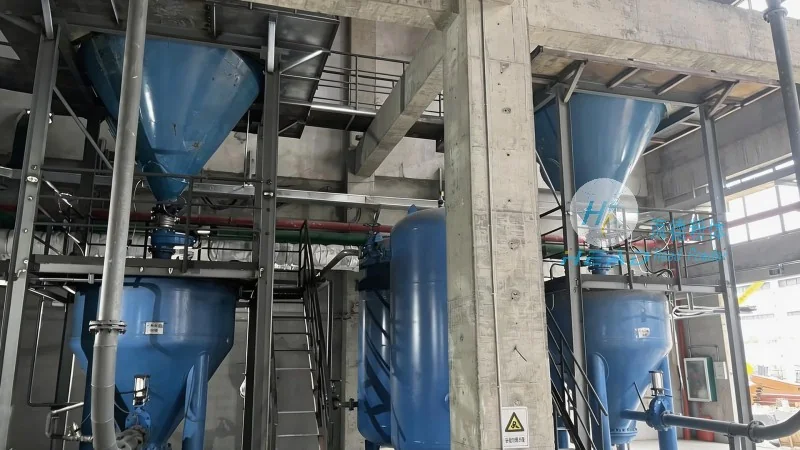
Before delving into specific methods, it is essential to consider the factors that influence the choice of cement clinker transportation. These factors include the distance of transportation, the volume of clinker to be moved, the terrain of the site, the need for vertical or horizontal movement, and the budget constraints. Each factor plays a critical role in determining the most suitable method for a particular application.
1. Belt Conveyor Systems
Belt conveyors are among the most widely used methods for transporting cement clinker due to their high capacity, reliability, and ability to handle long distances. These systems consist of a continuous loop of belt that moves the clinker from the clinker cooler to storage silos or for further processing. The belt is supported by rollers and driven by a motor, ensuring smooth and consistent movement. Belt conveyors are particularly effective for horizontal and slightly inclined transport, making them ideal for connecting different sections of a cement plant.
2. Bucket Elevators (Vertical Conveyors)
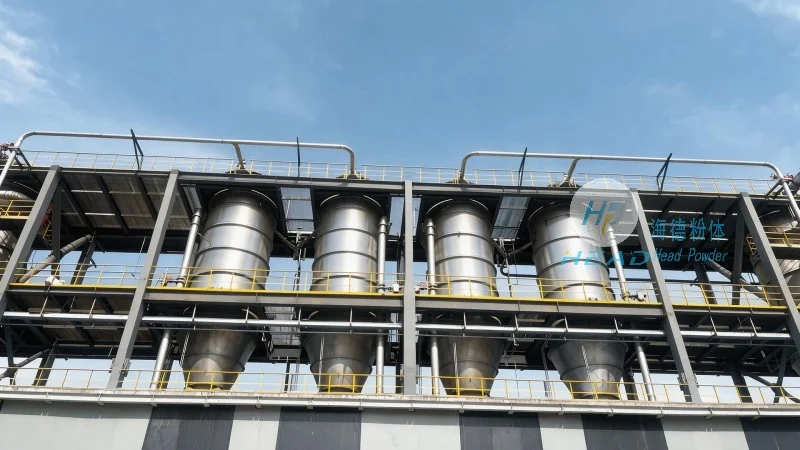
For vertical transportation of cement clinker, bucket elevators are commonly employed. These systems use a series of buckets attached to a chain or belt that moves vertically, lifting clinker from lower levels to higher storage areas or processing units. Bucket elevators are known for their high efficiency in vertical movement, with minimal space requirements and the ability to handle large volumes of material. They are often used to transport clinker from the clinker cooler to the top of the cement mill or to elevated storage silos.
3. Pneumatic (Air) Conveying Systems
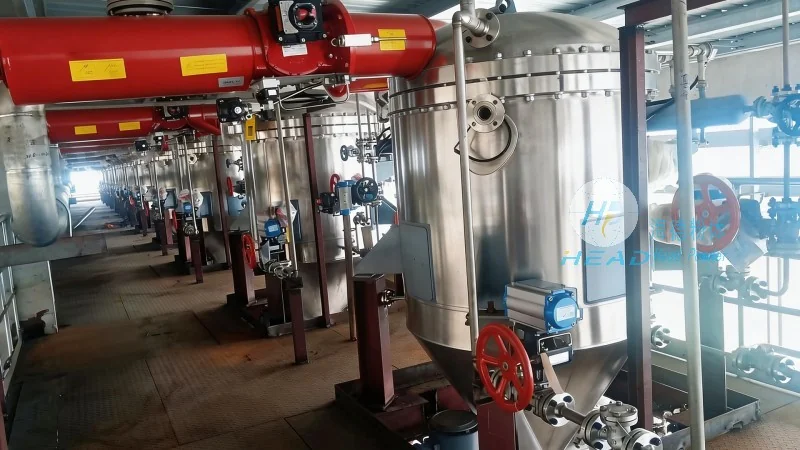
Pneumatic conveying systems use air pressure to transport cement clinker as a fine powder or small particles. These systems are particularly suitable for short to medium distances and for handling clinker that has been ground or broken into smaller sizes. The clinker is fed into a hopper, and then air is introduced to create a flow that carries the material through a pipeline to the destination. Pneumatic systems are advantageous for their ability to transport material through vertical and horizontal paths simultaneously, and they can be integrated with other processing equipment.
4. Screw Conveyors
Screw conveyors, also known as auger conveyors, are used for transporting cement clinker in a confined space, typically for short horizontal distances. These systems consist of a rotating screw inside a tube that moves the clinker along the length of the conveyor. Screw conveyors are suitable for handling dry, free-flowing materials and are often used to transfer clinker from storage bins to processing equipment or for feeding into other conveyors.
About Shandong HeadPowder Engineering Co., Ltd.
Shandong HeadPowder Engineering Co., Ltd., commonly known as HeadPowder, is a leading provider of industrial equipment solutions for the cement industry. With a strong focus on innovation and customer satisfaction, HeadPowder specializes in designing and manufacturing high-quality conveyor systems and other equipment tailored to the specific needs of cement plants. The company's headquarters is located in Shandong, China, and it serves clients globally with reliable and efficient solutions for cement clinker transportation and processing.

 Công ty TNHH Kỹ thuật Công trình Bột Hải Đức Sơn Đông
 156-6277-7102(Quản lý Trương)
  0531-83386006
  Quận Chương Khâu, Thành phố Tế Nam, Tỉnh Sơn Đông, Trung Quốc
Điện thoại
WeChatTư vấn
Lên đầu