Công ty Hải Đức Bột với hơn 10 năm kinh nghiệm vận chuyển khí, cung cấp hệ thống‑thiết bị‑quạt gió và nhận dự án tổng thầu bột cả nước
Shandong HeadPowder Engineering Co., Ltd., a leading enterprise based in Shandong, China, specializes in providing advanced solutions for lithium battery material handling. With a focus on efficiency and precision, the company offers a range of technologies tailored to the unique demands of the lithium-ion battery manufacturing industry. This article explores the common methods used for transporting lithium battery materials, highlighting the key approaches and considerations for optimizing material flow in production lines.
1. Mechanical Conveying Systems
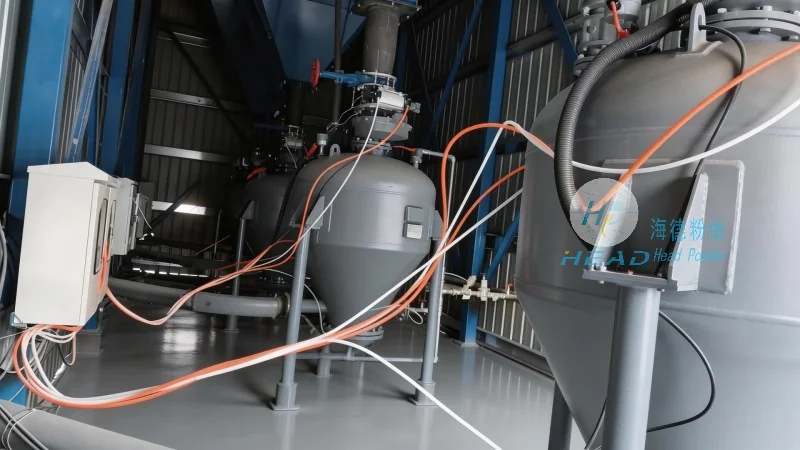
One of the most traditional and widely used methods for lithium battery material handling is mechanical conveying. This approach involves the use of various mechanical components such as conveyor belts, rollers, and elevators to move materials from one point to another. For instance, conveyor belts are commonly employed to transport raw materials like lithium compounds, cathode materials, and anode materials to different processing stations. The mechanical conveying system ensures a steady and controlled flow of materials, reducing manual labor and minimizing the risk of material damage. In the context of lithium battery production, this method is particularly effective for handling bulk materials and facilitating smooth transitions between stages like material mixing, coating, and drying.
2. Automated Guided Vehicles (AGVs)
Automated Guided Vehicles (AGVs) represent a more advanced and flexible approach to lithium battery material transport. These self-driving vehicles are equipped with sensors and navigation systems that allow them to move materials autonomously along predefined paths. AGVs are highly versatile and can be programmed to handle different types of materials, including powders and pellets, with precision. They are particularly beneficial in large-scale production facilities where the need for flexibility and scalability is critical. By integrating AGVs into the material handling process, manufacturers can achieve higher efficiency, reduce operational costs, and enhance safety by minimizing human intervention in hazardous environments. AGVs can be configured to work in conjunction with other systems, such as robotic arms or automated storage and retrieval systems (AS/RS), to create a seamless material flow network.
3. Robotic Handling and Sorting Systems
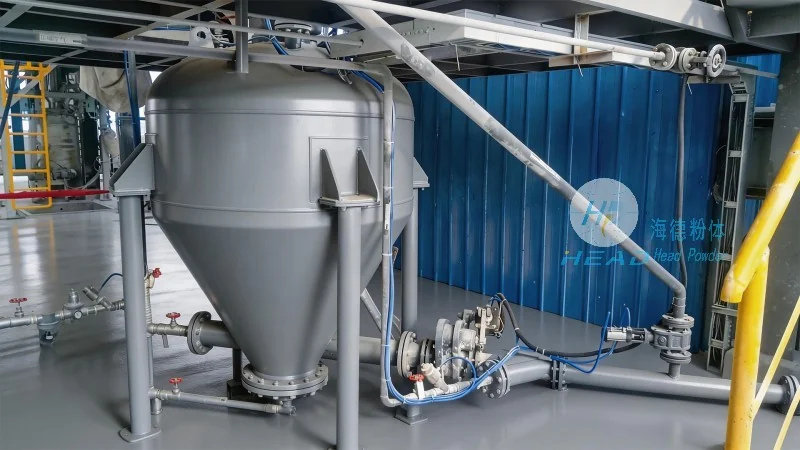
Robotic handling and sorting systems have become increasingly prevalent in lithium battery material handling due to their ability to handle complex and varied materials with high accuracy. These systems typically consist of robotic arms equipped with specialized grippers or suction cups that can pick up and place materials with precision. In lithium battery production, robots are often used to sort and handle small components like electrodes, separators, and current collectors. The use of robotics not only improves the speed and consistency of material handling but also reduces the risk of human error and material contamination. Moreover, robotic systems can be integrated with vision systems to enable real-time inspection and sorting of materials, ensuring that only high-quality components are used in the battery manufacturing process. This approach enhances overall production quality and reliability.
4. Pneumatic Conveying Systems
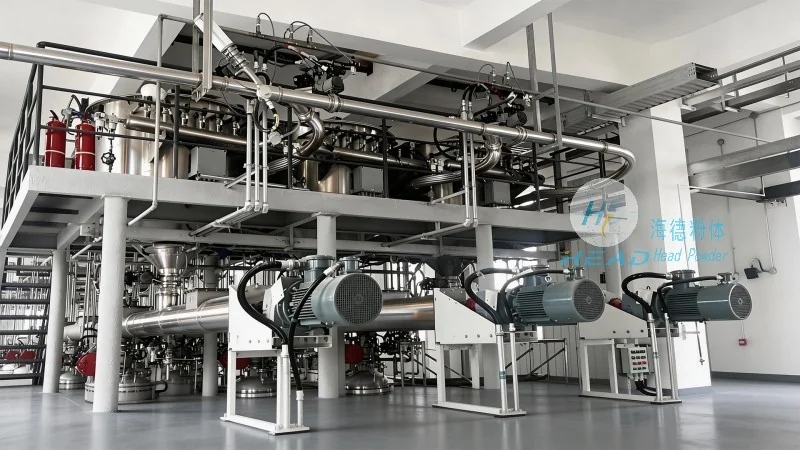
Pneumatic conveying systems utilize air pressure to transport materials, making them an ideal solution for handling fine powders and granules commonly used in lithium battery production. These systems consist of a series of pipes and air movers that create a flow of air to move materials from one location to another. Pneumatic conveying is particularly effective for materials that are difficult to handle with mechanical systems, such as sensitive powders that are prone to agglomeration or contamination. The system can be designed as either a positive or negative pressure system, depending on the material and the application requirements. Positive pressure systems push the material through the pipes using compressed air, while negative pressure systems draw the material in using vacuum. Pneumatic conveying offers advantages such as low maintenance, high speed, and the ability to transport materials over long distances without the need for complex infrastructure. It is commonly used in processes like material blending, drying, and packaging.
5. Integrated Material Handling Solutions
Many modern lithium battery manufacturing facilities employ integrated material handling solutions that combine multiple methods to achieve optimal efficiency. These solutions often involve a combination of mechanical conveyors, AGVs, and robotic systems working in coordination. For example, a facility might use conveyor belts to transport bulk materials to an AGV, which then transports the materials to a robotic sorting station. This integrated approach allows for a seamless flow of materials from raw input to finished product, minimizing bottlenecks and maximizing throughput. The use of integrated systems also enables better data collection and monitoring, allowing manufacturers to optimize their processes in real-time. By leveraging advanced technologies and integrated solutions, companies like Shandong HeadPowder Engineering Co., Ltd. can enhance productivity, reduce waste, and ensure consistent quality in lithium battery production.

 Công ty TNHH Kỹ thuật Công trình Bột Hải Đức Sơn Đông
 156-6277-7102(Quản lý Trương)
  0531-83386006
  Quận Chương Khâu, Thành phố Tế Nam, Tỉnh Sơn Đông, Trung Quốc
Điện thoại
WeChatTư vấn
Lên đầu