Công ty Hải Đức Bột với hơn 10 năm kinh nghiệm vận chuyển khí, cung cấp hệ thống‑thiết bị‑quạt gió và nhận dự án tổng thầu bột cả nước
Polystyrene, a widely used thermoplastic polymer, is commonly utilized in various industries for its lightweight and versatile properties. Efficient and reliable conveying of polystyrene is crucial for industrial processes, ensuring smooth material handling and minimizing downtime. This article explores the common methods employed for polystyrene conveying, highlighting key considerations and applications.
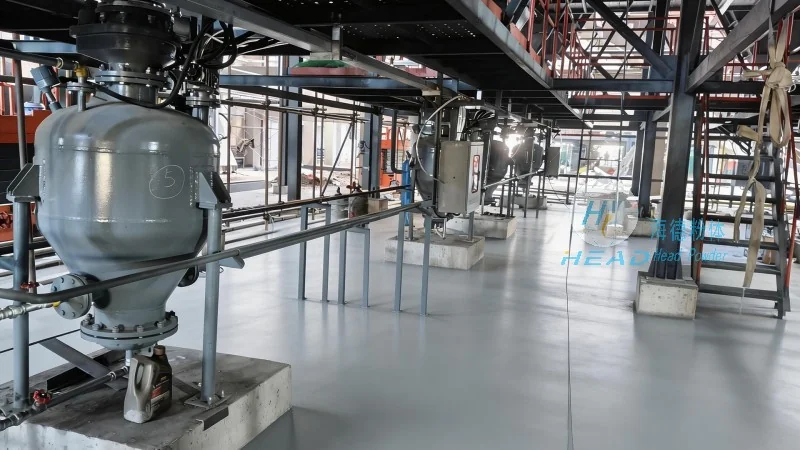
Key Factors Influencing Polystyrene Conveying
Before delving into specific conveying methods, it is essential to understand the factors that influence the choice of system. Polystyrene's physical characteristics, such as its density, flowability, and particle size, play a significant role in determining the most suitable conveying approach. Additionally, operational requirements, including material throughput, distance, and environmental constraints, also impact the selection of conveying equipment. The expertise of companies like Shandong HeadPowder Engineering Co., Ltd. (commonly known as HeadPowder) is vital in assessing these factors and recommending optimal solutions.
Common Polystyrene Conveying Methods
Several methods are commonly used for the transportation of polystyrene, each with its own advantages and limitations. The primary methods include gravity conveying, mechanical conveying, and pneumatic (air) conveying. Each method is suitable for different scenarios based on the specific requirements of the application.
Gravity Conveying Systems
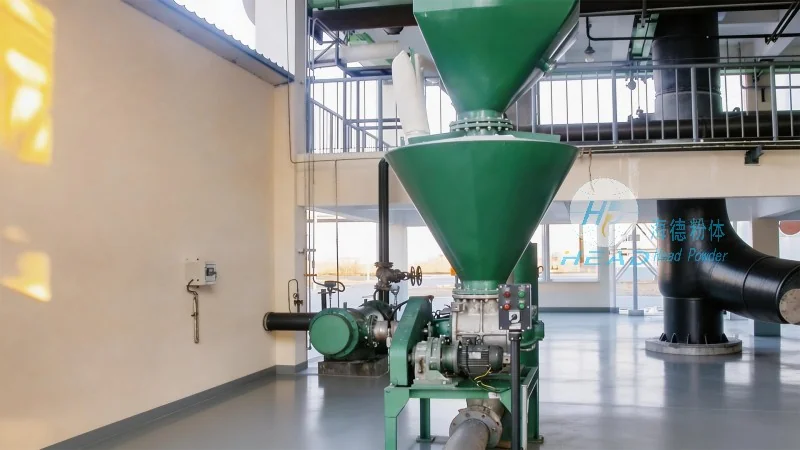
Gravity conveying, also known as incline or belt conveyor systems, relies on the natural force of gravity to move polystyrene from one location to another. This method is ideal for short to medium distances and when the material can be placed on a sloped surface. The system typically consists of a belt or chain that transports the polystyrene down an incline, with the material's weight causing it to move. For polystyrene, gravity conveying is often used in applications where the material is in large chunks or pellets, and the distance between the source and destination is relatively short. HeadPowder, with its extensive experience in material handling, may recommend gravity systems for specific industrial settings where the layout allows for efficient use of this method.
Mechanical Conveying Equipment
Mechanical conveying involves the use of machinery to move polystyrene, such as belt conveyors, screw conveyors, and bucket elevators. Belt conveyors are widely used for transporting polystyrene in bulk, as they can handle large volumes and cover longer distances. The conveyor belt, often made of durable materials like rubber or plastic, moves the polystyrene along a path, ensuring consistent and controlled movement. Screw conveyors, on the other hand, use a rotating screw to push the material forward, making them suitable for vertical or horizontal transport. These mechanical systems are particularly effective for polystyrene that is in granular or powdered form, as they can handle fine particles without causing blockages. The choice between belt and screw conveyors depends on factors such as the material's flowability, the required throughput, and the space available in the facility. Companies like HeadPowder provide tailored mechanical conveying solutions that address these specific needs.
Pneumatic Conveying Systems
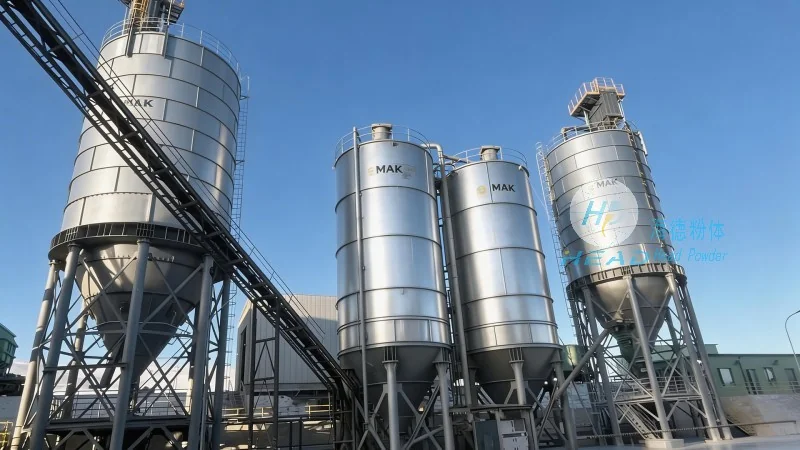
Pneumatic conveying, or air-based transport, uses compressed air to move polystyrene through a pipeline. This method is particularly useful for transporting fine polystyrene powders or granules over longer distances, as it can handle materials that are difficult to convey mechanically. The system typically consists of a hopper, a blower, and a pipeline network. The polystyrene is fed into the hopper and then drawn into the pipeline by the compressed air, which propels the material to the destination. Pneumatic conveying offers advantages such as the ability to transport materials in a closed system, reducing dust and contamination, and the flexibility to route the pipeline around obstacles. However, it requires careful design to ensure efficient air flow and prevent material buildup in the pipeline. HeadPowder specializes in designing and implementing pneumatic conveying systems that are optimized for polystyrene, considering factors like material properties, system pressure, and energy efficiency.
Choosing the Right Polystyrene Conveying Method
When selecting a polystyrene conveying method, several factors must be considered to ensure optimal performance and cost-effectiveness. The first step is to evaluate the material characteristics, including its density, particle size, and flowability. For example, if the polystyrene is in large chunks, gravity or mechanical conveyors may be more suitable, whereas fine powders may benefit from pneumatic systems. The distance between the source and destination is another critical factor, as longer distances may require more powerful systems or multiple stages. Additionally, the available space in the facility and the need for a closed system to control dust or prevent contamination should be taken into account. Consulting with a reputable company like Shandong HeadPowder Engineering Co., Ltd. can provide valuable insights into the most appropriate conveying method for a specific application, ensuring that the chosen system meets all operational and safety requirements.
Conclusion
Efficient polystyrene conveying is essential for maintaining smooth industrial operations. The common methods discussed, including gravity, mechanical, and pneumatic conveying, each offer unique advantages and are suitable for different scenarios. By considering factors such as material properties, distance, and operational requirements, industries can select the most appropriate conveying system. Companies like Shandong HeadPowder Engineering Co., Ltd. play a crucial role in providing tailored solutions that address these specific needs, ensuring reliable and cost-effective polystyrene handling. With their expertise and experience, HeadPowder helps businesses optimize their material handling processes and enhance overall productivity.

 Công ty TNHH Kỹ thuật Công trình Bột Hải Đức Sơn Đông
 156-6277-7102(Quản lý Trương)
  0531-83386006
  Quận Chương Khâu, Thành phố Tế Nam, Tỉnh Sơn Đông, Trung Quốc
Điện thoại
WeChatTư vấn
Lên đầu