Công ty Hải Đức Bột với hơn 10 năm kinh nghiệm vận chuyển khí, cung cấp hệ thống‑thiết bị‑quạt gió và nhận dự án tổng thầu bột cả nước
When it comes to the delivery of sodium bicarbonate, various methods are employed across different industries to ensure efficient and reliable transport. Understanding these common approaches is crucial for professionals in chemical processing, pharmaceuticals, and related sectors. This article explores the primary methods used for sodium bicarbonate delivery, highlighting their applications and benefits.
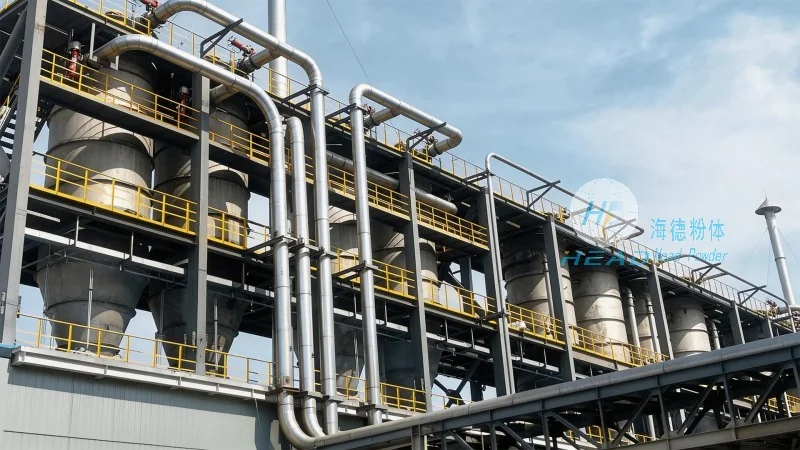
1. Bulk Tanker Transport
Bulk tanker transport is a widely used method for moving large quantities of sodium bicarbonate. Specialized tankers, often equipped with corrosion-resistant materials such as stainless steel or lined with protective coatings, are utilized to handle the chemical's properties. These tankers can be designed for both liquid and dry forms of sodium bicarbonate, depending on the form of the product being transported. The process involves loading the sodium bicarbonate into the tanker at the production facility and then transporting it to the destination, where it is offloaded using specialized equipment. This method is particularly effective for long-distance transportation and large-scale operations, ensuring consistent supply to industrial and commercial users.
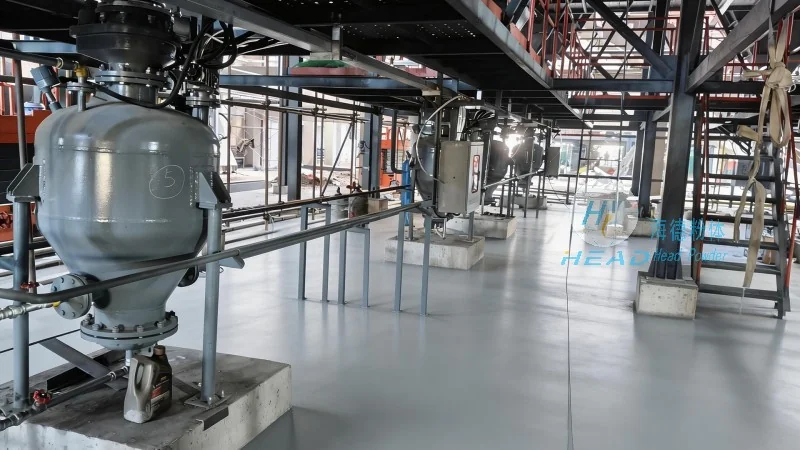
2. Containerized Shipping
Containerized shipping offers another common method for sodium bicarbonate delivery, especially for international and interregional transport. Dry bulk containers, typically made of steel, are used to package the sodium bicarbonate in bulk. These containers are designed to maintain the integrity of the product during transit, protecting it from moisture, contamination, and physical damage. The containers are sealed and labeled according to international shipping standards, ensuring compliance with regulations such as those from the International Maritime Organization (IMO) and the International Air Transport Association (IATA). This method allows for flexible and secure transport, enabling companies to ship sodium bicarbonate to various global markets efficiently.
3. Palletized and Bagged Delivery
For smaller-scale or localized deliveries, palletized and bagged delivery is a practical approach. Sodium bicarbonate is often packaged in sturdy bags or sacks, which are then placed on pallets for easy handling and transport. This method is commonly used for distribution to retail outlets, laboratories, and smaller industrial clients. The bags are typically made of durable materials like polyethylene or woven fabric, providing protection against environmental factors. Pallets allow for efficient loading onto trucks or other transport vehicles, facilitating smooth movement through distribution networks. This approach is particularly advantageous for short-distance deliveries and for meeting the specific needs of smaller customers who require manageable quantities.
4. Specialized Pumping and Dosing Systems
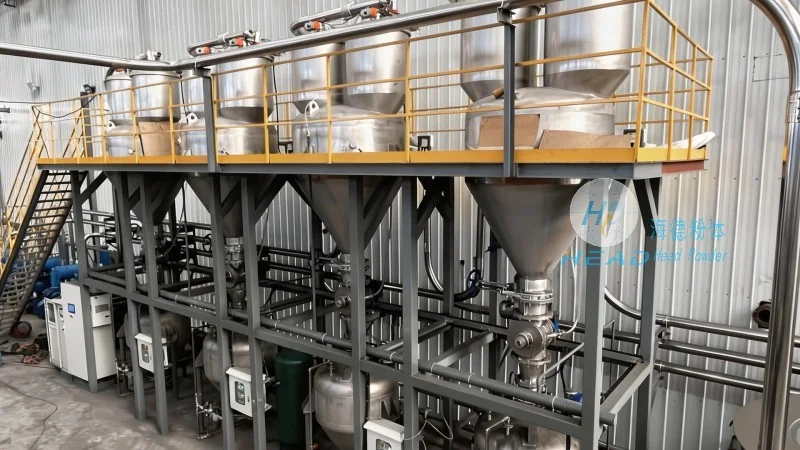
In some applications, specialized pumping and dosing systems are employed for sodium bicarbonate delivery. These systems are designed to handle the chemical's characteristics, such as its reactivity and potential for caking. The systems may include pumps like diaphragm pumps or centrifugal pumps, which are suitable for transferring sodium bicarbonate in liquid form. Dosing systems, often integrated with control mechanisms, allow for precise measurement and addition of the chemical in processes like water treatment, food production, or pharmaceutical manufacturing. This method ensures accurate and controlled delivery, minimizing waste and optimizing the performance of the end application. The use of such systems is common in industries where consistency and precision are critical.
5. Bulk Bag (FIBC) Transport
Bulk bag (Flexible Intermediate Bulk Container) transport is another prevalent method for sodium bicarbonate delivery, especially for intermediate quantities. These large, flexible containers are filled with sodium bicarbonate and sealed, providing a cost-effective and space-efficient way to transport the product. Bulk bags are often used in conjunction with forklifts or cranes for loading and unloading, making them suitable for both indoor and outdoor storage and transport. The material of the bulk bag is typically woven polypropylene or similar, offering durability and resistance to the chemical's properties. This method is favored for its flexibility and ability to handle varying quantities, making it ideal for businesses that require regular replenishment of sodium bicarbonate.
6. Customized Delivery Solutions
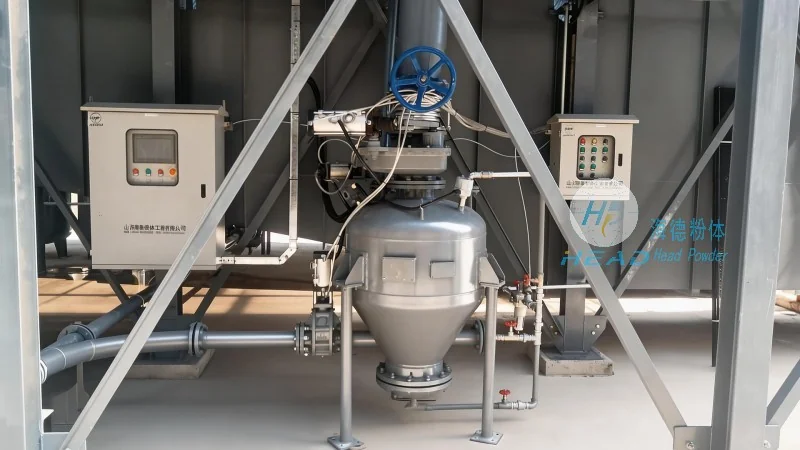
Depending on the specific needs of the client, customized delivery solutions may be employed for sodium bicarbonate. These solutions can range from specialized packaging to tailored transport logistics. For example, some companies may require temperature-controlled transport to maintain the stability of the product, especially if it is in a liquid form or has a limited shelf life. Others may need specialized handling due to the chemical's reactivity or the need for immediate use in a process. Customized delivery often involves collaboration between the supplier and the client to ensure that the sodium bicarbonate is delivered in the most efficient and safe manner possible. This approach ensures that the product reaches its destination in optimal condition, meeting the client's requirements and maintaining the quality of the final product.
Overall, the choice of sodium bicarbonate delivery method depends on several factors, including the quantity to be transported, the distance involved, the end-use requirements, and the specific properties of the sodium bicarbonate being handled. By understanding these common methods and their applications, professionals can select the most appropriate delivery approach to meet their operational needs. Whether through bulk tanker transport, containerized shipping, or customized solutions, reliable delivery of sodium bicarbonate is essential for maintaining smooth operations in various industries.

 Công ty TNHH Kỹ thuật Công trình Bột Hải Đức Sơn Đông
 156-6277-7102(Quản lý Trương)
  0531-83386006
  Quận Chương Khâu, Thành phố Tế Nam, Tỉnh Sơn Đông, Trung Quốc
Điện thoại
WeChatTư vấn
Lên đầu