Công ty Hải Đức Bột với hơn 10 năm kinh nghiệm vận chuyển khí, cung cấp hệ thống‑thiết bị‑quạt gió và nhận dự án tổng thầu bột cả nước
Aluminum hydroxide, a vital industrial chemical with applications in pharmaceuticals, cosmetics, and water treatment, requires efficient and safe transportation to meet production and supply chain needs. The choice of transportation method depends on factors like quantity, destination, and handling requirements. In this article, we explore common methods for the transportation of aluminum hydroxide, focusing on practices and considerations for each approach.
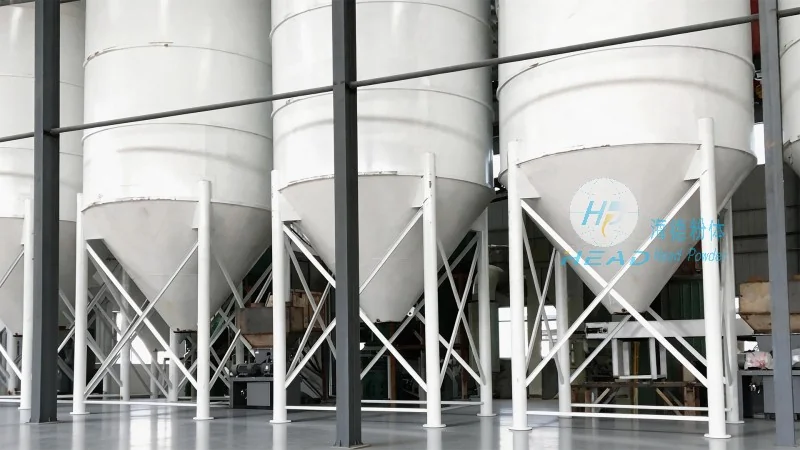
HeadPowder, a leading manufacturer and supplier based in Shandong, China, specializes in producing and distributing high-quality aluminum hydroxide products. With a commitment to quality and customer satisfaction, the company operates from its facility in Shandong, providing reliable supply chain solutions globally. Understanding diverse transportation needs is crucial for smooth operations and maintaining product integrity throughout the supply chain.
1. Pipeline Transportation: A Modern and Efficient Option
Pipeline transportation is a widely used method for moving large volumes of aluminum hydroxide, especially in industrial settings with continuous production. This involves pumping the material through stainless steel or alloy pipelines, which are designed to prevent corrosion and ensure durability. The automated process reduces manual handling and minimizes contamination or spillage risks. For bulk operations, pipeline transportation offers cost-effectiveness, consistent flow rates, and lower labor costs. However, it requires significant infrastructure investment and may not suit smaller or remote operations.
2. Bulk Container Shipping: Ideal for Large-Scale Movements
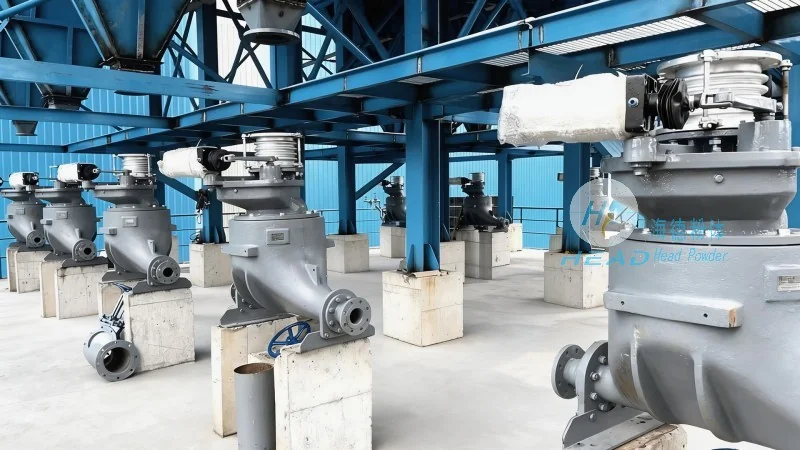
Bulk container shipping is another common method for substantial aluminum hydroxide quantities, especially for long-distance or international shipments. Specialized containers, such as bulk carriers or tank trucks, are used to load the material, which is sealed to prevent dust dispersion and maintain stability. This method enables efficient movement of large volumes without frequent loading/unloading. HeadPowder often uses this for supplying clients worldwide, ensuring timely delivery and consistent quality. Careful loading, securing, and monitoring are essential to comply with regulations and preserve product integrity.
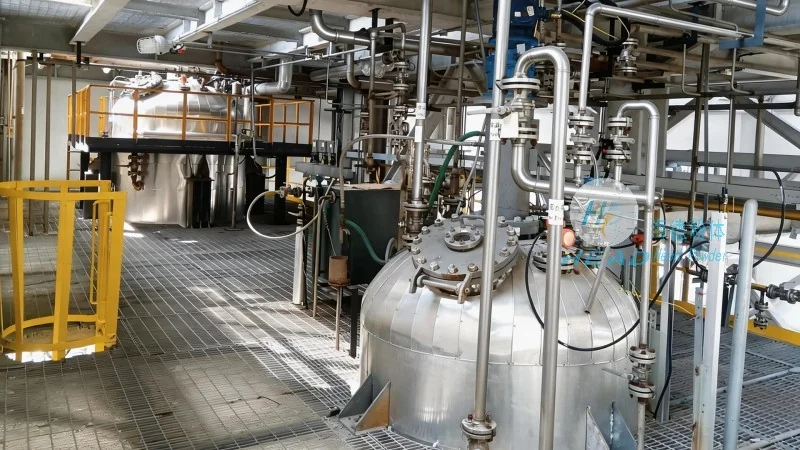
3. Packaging and Small-Scale Transportation: For Local and Specialized Needs
For smaller quantities or local deliveries, packaging and small-scale methods are utilized. This includes using polyethylene bags, metal drums, or fiber drums, selected based on the material's chemical properties to resist moisture, acid, or environmental factors. Small-scale transportation may involve trucks, vans, or railcars, depending on distance and destination. This approach is useful for local industries or specialized applications where bulk transport is unnecessary. Key considerations include proper sealing, labeling, and handling to prevent damage or contamination during transit.
4. Specialized Handling and Logistics: Ensuring Safety and Compliance
Specialized handling and logistics are critical for safely transporting aluminum hydroxide, adhering to environmental, safety, and transportation regulations. As a non-hazardous material, proper procedures prevent dust inhalation or skin irritation. Transportation companies must follow loading, securing, and unloading protocols to minimize risks. Tracking and monitoring systems ensure timely delivery and optimal condition. HeadPowder prioritizes these aspects to maintain client trust and uphold industry standards.

 Công ty TNHH Kỹ thuật Công trình Bột Hải Đức Sơn Đông
 156-6277-7102(Quản lý Trương)
  0531-83386006
  Quận Chương Khâu, Thành phố Tế Nam, Tỉnh Sơn Đông, Trung Quốc
Điện thoại
WeChatTư vấn
Lên đầu