Công ty Hải Đức Bột với hơn 10 năm kinh nghiệm vận chuyển khí, cung cấp hệ thống‑thiết bị‑quạt gió và nhận dự án tổng thầu bột cả nước
HeadPowder, a leading manufacturer in the field of powder handling solutions, specializes in providing efficient and reliable systems for the conveyance of metal aluminum powder. As a company based in Shandong, China, we understand the unique challenges associated with handling aluminum powder, such as its light weight, tendency to create dust, and the need for precise control during transport. This article explores the common methods used for metal aluminum powder conveyance, highlighting the advantages and applications of each approach.
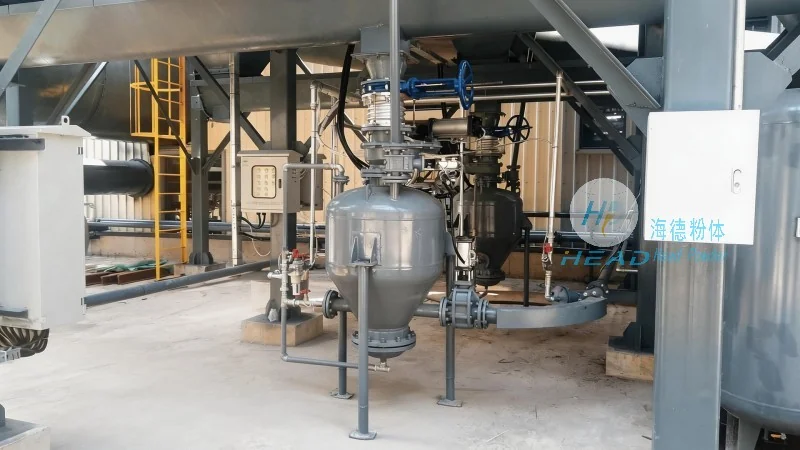
Understanding the Importance of Effective Conveyance for Metal Aluminum Powder
Before delving into the specific methods, it is crucial to understand why proper conveyance of metal aluminum powder is essential. Aluminum powder is widely used in various industries, including aerospace, automotive, and fireworks manufacturing, due to its high reactivity and ability to form strong alloys. However, its handling requires specialized equipment to prevent dust explosions, ensure product integrity, and maintain operational efficiency. Effective conveyance systems not only enhance safety but also improve the overall productivity of production lines.
1. Gravity Flow Conveyance Systems
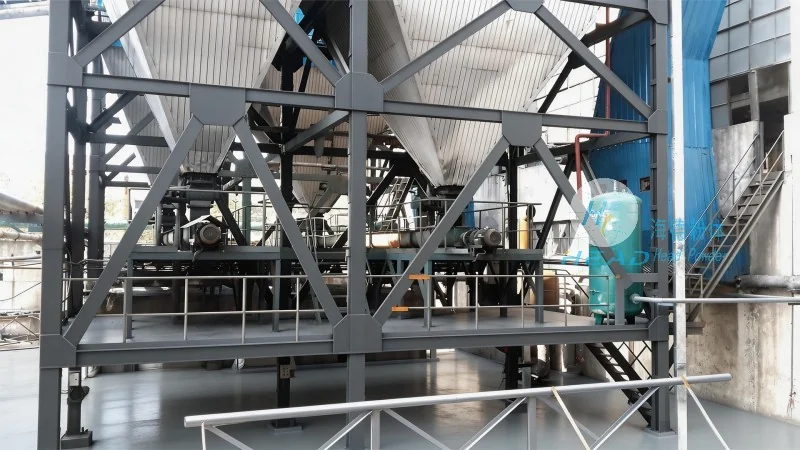
Gravity flow conveyance is a simple yet effective method for transporting metal aluminum powder over short distances. This system utilizes the natural force of gravity to move the powder from a higher elevation to a lower one. The primary components of a gravity flow system include a hopper, a trough, and a discharge point. The hopper holds the aluminum powder, and as it flows through the trough, it moves toward the discharge area. This method is particularly suitable for applications where the vertical drop is sufficient to provide the necessary force for movement. One of the key advantages of gravity flow is its low energy consumption, as it does not require external power sources. However, it is limited by the need for a suitable slope and is not suitable for long-distance or complex routing.
2. Mechanical Conveyance Systems
Mechanical conveyance systems are more versatile and can handle longer distances and more complex layouts compared to gravity flow methods. These systems use mechanical components such as screws, belts, and chains to move the aluminum powder. One common type is the screw conveyor, which consists of a rotating screw inside a tube. The screw pushes the powder forward, allowing for controlled and continuous transport. Another option is the belt conveyor, which uses a moving belt to carry the powder from one point to another. Mechanical conveyance systems are ideal for applications requiring precise control over the flow rate and direction of the powder. They can be integrated with other processing equipment, such as mixers and classifiers, to form a complete production line. The main advantage of mechanical systems is their ability to handle a wide range of powder types and volumes, making them suitable for various industrial applications.
3. Pneumatic Conveyance Systems
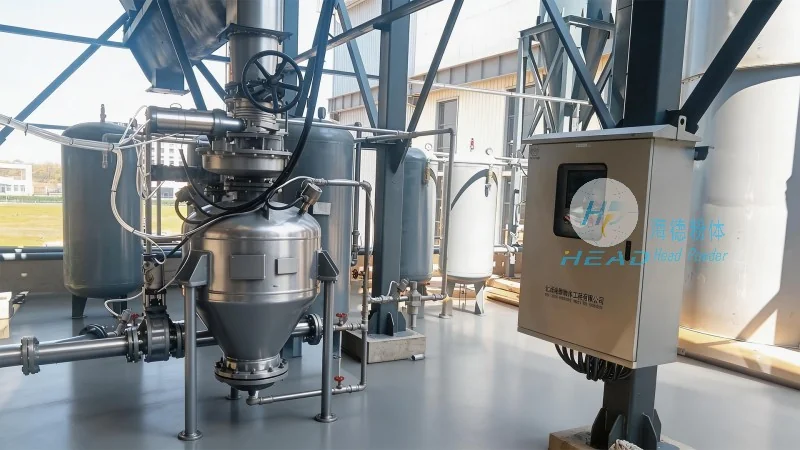
Pneumatic conveyance systems use air or other gases to transport metal aluminum powder through a pipeline. This method is particularly effective for long-distance and complex routing, as it can move the powder over several hundred meters with minimal loss. There are two main types of pneumatic systems: pressure and vacuum. In a pressure system, compressed air is used to push the powder through the pipeline, while in a vacuum system, the air is drawn out, creating a negative pressure that pulls the powder along. The choice between pressure and vacuum depends on the specific application and the distance to be covered. Pneumatic conveyance systems are highly flexible and can be easily integrated with existing production facilities. They are also capable of handling abrasive powders without causing significant wear and tear on the system components. However, these systems require more maintenance and energy compared to gravity or mechanical systems, as they rely on air compressors and filtration systems.
4. Hybrid Conveyance Systems
Hybrid conveyance systems combine the advantages of different methods to address specific challenges. For example, a system might use gravity flow for short vertical drops and then switch to a mechanical conveyor for horizontal transport. Another hybrid approach is to use pneumatic conveyance for long-distance transport and then convert to a mechanical system for the final delivery. These systems are designed to optimize efficiency and cost while maintaining the required safety standards. Hybrid systems are particularly useful in large-scale production facilities where different sections of the plant require different conveyance methods. By integrating multiple technologies, these systems can handle a wide range of powder characteristics and operational requirements.
Conclusion: Choosing the Right Conveyance Method for Metal Aluminum Powder
When selecting a conveyance method for metal aluminum powder, it is essential to consider several factors, including the distance to be covered, the volume of powder to be transported, the required flow rate, and the layout of the production facility. Gravity flow systems are suitable for short distances and simple layouts, while mechanical systems offer more versatility and control. Pneumatic systems are ideal for long distances and complex routing, but require more maintenance. Hybrid systems provide flexibility and can be customized to meet specific needs. As a company based in Shandong, China, HeadPowder offers a range of conveyance solutions tailored to the unique requirements of each client. Our expertise in powder handling ensures that we can provide the most effective and efficient system for your metal aluminum powder conveyance needs.

 Công ty TNHH Kỹ thuật Công trình Bột Hải Đức Sơn Đông
 156-6277-7102(Quản lý Trương)
  0531-83386006
  Quận Chương Khâu, Thành phố Tế Nam, Tỉnh Sơn Đông, Trung Quốc
Điện thoại
WeChatTư vấn
Lên đầu