Công ty Hải Đức Bột với hơn 10 năm kinh nghiệm vận chuyển khí, cung cấp hệ thống‑thiết bị‑quạt gió và nhận dự án tổng thầu bột cả nước
When it comes to the efficient and reliable transportation of petroleum coke powder, selecting the right method is crucial for industrial operations. The choice of transport system directly impacts productivity, material handling costs, and overall safety in processing facilities. This article explores several common methods used for petroleum coke powder transport, providing insights into their applications and advantages.
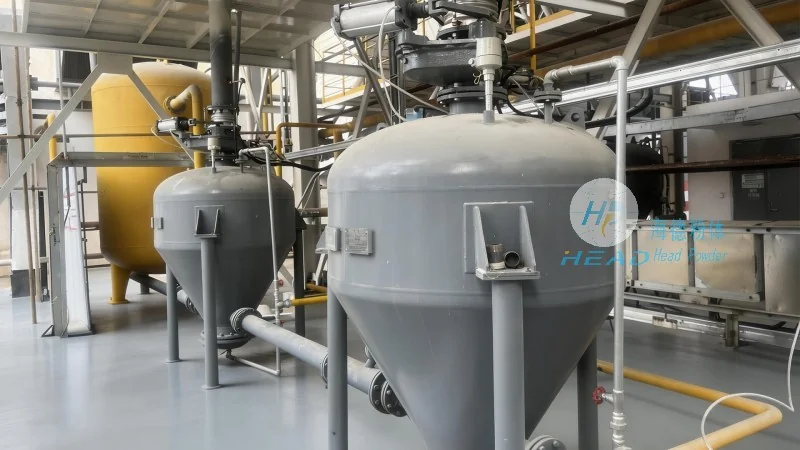
Understanding Petroleum Coke Powder and Its Transport Requirements
Petroleum coke powder is a fine, granular material derived from the byproducts of oil refining processes. It is characterized by its high carbon content and abrasive nature, making it challenging to handle. Effective transport systems must address issues such as dust generation, material segregation, and the need for minimal degradation during handling. The following methods are widely adopted in industrial settings to meet these requirements.
1. Pneumatic Conveying Systems
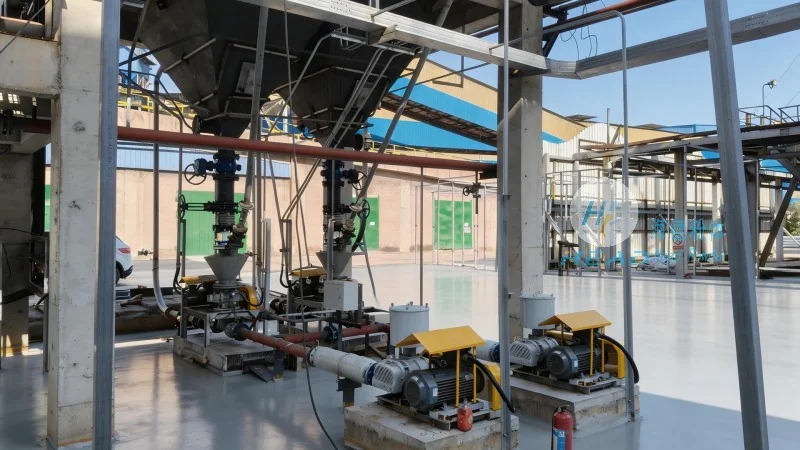
Pneumatic conveying, also known as air-based transport, is one of the most common methods for handling petroleum coke powder. This system uses compressed air to move the material through a network of pipes. There are two primary types: pressure and vacuum systems. Pressure systems are ideal for long-distance transport and can handle larger volumes, while vacuum systems are suitable for shorter distances and require less pressure. The advantages of pneumatic conveying include high efficiency, minimal material degradation, and the ability to transport materials over vertical and horizontal distances. However, it requires proper maintenance of air filtration systems to prevent dust accumulation and ensure compliance with environmental regulations.
2. Screw Conveyors
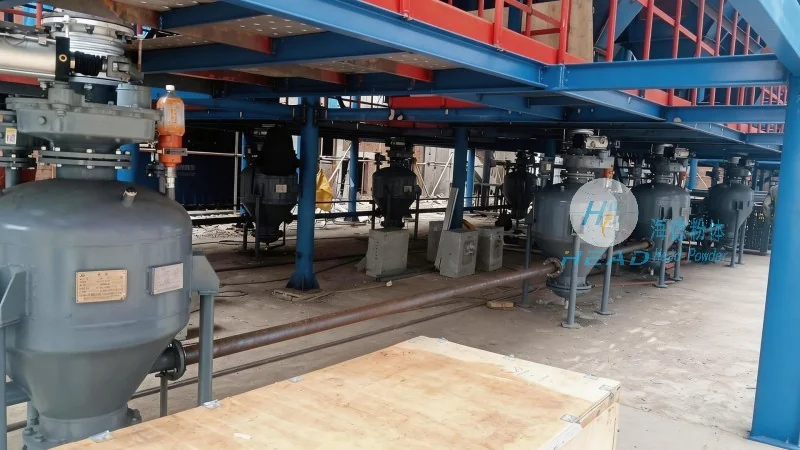
Screw conveyors, or auger conveyors, are another widely used method for transporting petroleum coke powder. These systems consist of a rotating screw inside a trough, which moves the material along the length of the conveyor. Screw conveyors are particularly effective for horizontal or slightly inclined transport and are suitable for handling bulk materials in a continuous flow. They are often used in processing plants for feeding raw materials into reactors or for transferring finished products. The key advantages of screw conveyors include simplicity, low maintenance, and the ability to operate in a closed system, which helps in controlling dust and preventing contamination. However, they may not be as efficient for long vertical lifts and can experience wear from abrasive materials over time.
3. Belt Conveyors
Belt conveyors are a classic and versatile method for transporting petroleum coke powder, especially in bulk material handling applications. These systems use a continuous belt that moves over rollers, transporting the material from one point to another. Belt conveyors are suitable for both horizontal and inclined transport and can handle large volumes of material at high speeds. They are commonly used in mining, power generation, and petrochemical industries for transporting petroleum coke from storage to processing units. The advantages of belt conveyors include high capacity, low operating costs, and the ability to cover long distances with minimal maintenance. However, they require proper alignment and tensioning to prevent material spillage and ensure smooth operation. Additionally, they may need to be equipped with dust suppression systems to comply with environmental standards.
4. Hydraulic Conveying
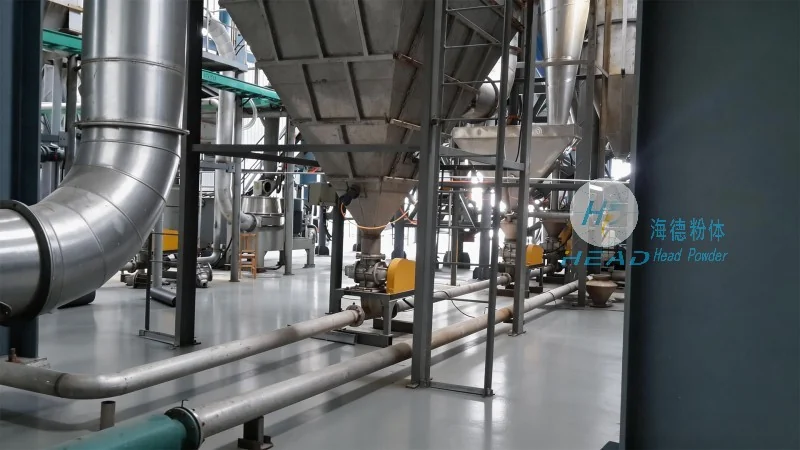
Hydraulic conveying, or slurry transport, is a method that involves mixing petroleum coke powder with water to form a slurry, which is then pumped through pipelines. This technique is particularly useful for long-distance transport over rough terrain or when dealing with large quantities of material. The slurry can be pumped through existing water pipelines or dedicated hydraulic systems, reducing the need for additional infrastructure. The advantages of hydraulic conveying include the ability to transport materials over long distances with minimal energy consumption and the capacity to handle high volumes. However, it requires careful control of the slurry consistency to prevent clogging and ensure efficient flow. Additionally, the system must be equipped with filtration and separation equipment to recover the solid material and recycle the water, making it more complex and costly compared to other methods.
5. Bucket Elevators
Bucket elevators are vertical conveyors that use a series of buckets attached to a belt or chain to lift petroleum coke powder from lower to higher levels. These systems are ideal for vertical transport and are commonly used in processing plants where material needs to be elevated to different floors or processing units. Bucket elevators are capable of handling large volumes of material and can operate continuously without interruption. The advantages of bucket elevators include high efficiency for vertical transport, minimal space requirements, and the ability to transport materials in a closed system, which helps in controlling dust and maintaining material integrity. However, they may experience wear from abrasive materials and require regular maintenance to ensure smooth operation. Additionally, they may not be suitable for very fine or powdery materials that could cause blockages in the buckets.
Choosing the Right Transport Method for Petroleum Coke Powder
The selection of the most appropriate transport method for petroleum coke powder depends on several factors, including the distance of transport, the volume of material, the required speed, and the environmental regulations in the operating region. For example, pneumatic conveying is often preferred for long-distance and high-volume transport, while screw conveyors are suitable for shorter distances and continuous feeding. Belt conveyors are ideal for bulk handling and long-distance horizontal transport, and bucket elevators are best for vertical lifting. Each method has its own advantages and limitations, and the choice should be based on a thorough analysis of operational needs and cost considerations.
Conclusion
In conclusion, the effective transport of petroleum coke powder is essential for the smooth operation of industrial processes. The methods discussed, including pneumatic conveying, screw conveyors, belt conveyors, hydraulic conveying, and bucket elevators, each offer unique benefits and are selected based on specific operational requirements. By understanding the characteristics of petroleum coke powder and the capabilities of each transport system, industrial facilities can optimize their material handling processes, reduce costs, and enhance safety. As a leading provider in the field, Shandong HeadPowder Engineering Co., Ltd. specializes in designing and implementing customized transport solutions tailored to the needs of its clients, ensuring efficient and reliable handling of petroleum coke powder in various industrial applications.

 Công ty TNHH Kỹ thuật Công trình Bột Hải Đức Sơn Đông
 156-6277-7102(Quản lý Trương)
  0531-83386006
  Quận Chương Khâu, Thành phố Tế Nam, Tỉnh Sơn Đông, Trung Quốc
Điện thoại
WeChatTư vấn
Lên đầu