Công ty Hải Đức Bột với hơn 10 năm kinh nghiệm vận chuyển khí, cung cấp hệ thống‑thiết bị‑quạt gió và nhận dự án tổng thầu bột cả nước
When it comes to the efficient and reliable transport of blended fertilizers, understanding the available methods is crucial for agricultural operations and fertilizer producers alike. Blended fertilizers, which combine multiple nutrient sources into a single product, require specialized handling to maintain their quality and effectiveness. The choice of transport method depends on several factors, including the type of fertilizer, the distance to be covered, and the infrastructure available at the source and destination. This article explores the common methods used for blended fertilizer transport, highlighting the key considerations and the role of companies like Shandong HeadPowder Engineering Co., Ltd. in providing effective solutions.
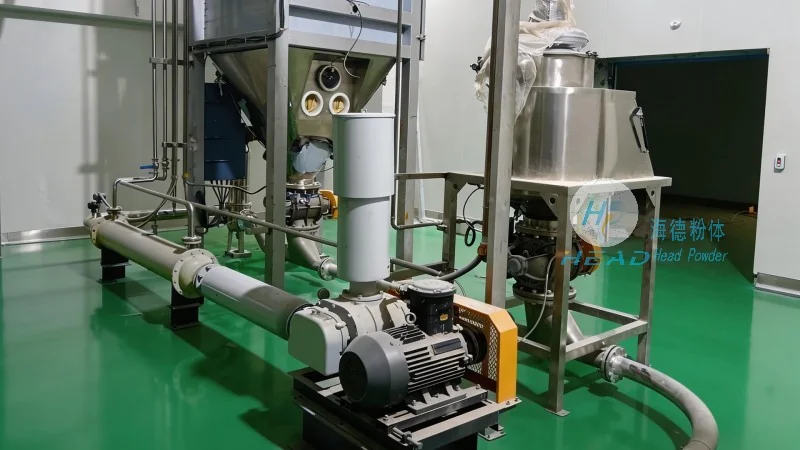
1. Truck Transportation: The Most Common and Versatile Option
Truck transportation remains the most widely used method for blended fertilizer transport, particularly for short to medium distances. This method offers flexibility and can reach a wide range of locations, including farms, storage facilities, and distribution centers. Companies like Shandong HeadPowder Engineering Co., Ltd. often utilize specialized trucks equipped with bulk containers or trailers designed to handle the specific characteristics of blended fertilizers. These vehicles are typically equipped with features such as airtight seals, temperature control systems, and anti-spill mechanisms to ensure the fertilizer remains in optimal condition during transit. The use of trucks allows for direct delivery to the point of use, reducing handling and storage time at intermediate locations. This method is particularly effective for transporting smaller quantities or for deliveries to remote areas where other transport options may not be feasible.
2. Rail Transportation: Efficient for Long-Distance and Bulk Shipments
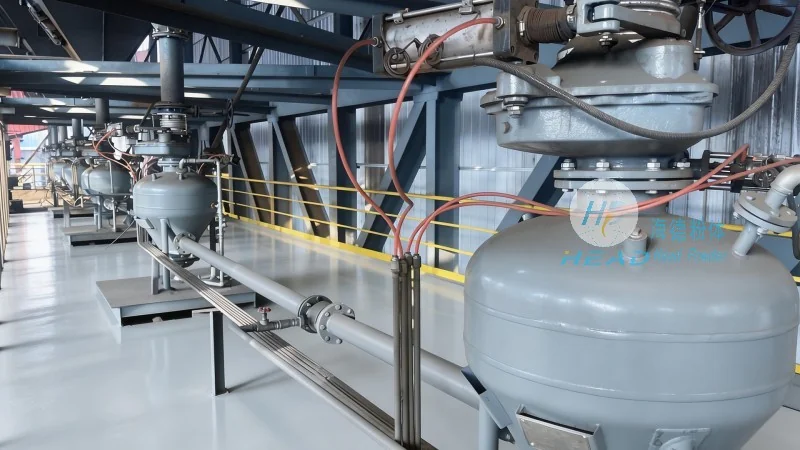
For long-distance and bulk shipments of blended fertilizers, rail transportation is a highly efficient option. Rail cars, often called hopper cars or tank cars, are specifically designed to carry large volumes of fertilizer. This method is particularly advantageous when transporting large quantities from manufacturing facilities to major distribution hubs or ports. The use of rail reduces the carbon footprint per ton compared to truck transport, making it a more environmentally friendly choice. Companies like Shandong HeadPowder Engineering Co., Ltd. may collaborate with rail operators to ensure that the fertilizer is loaded and unloaded safely and efficiently. Rail transport also allows for the integration of other cargo, optimizing the use of transportation resources. However, the limitation of rail is its fixed route, which may require additional trucking for the final leg of the journey to reach the end user.
3. Barge and Waterway Transport: Ideal for Coastal and Riverine Regions
In regions with extensive waterways, barge and waterway transport offers a cost-effective solution for blended fertilizer transport. Barges are large, flat-bottomed vessels that can carry substantial quantities of fertilizer along rivers, canals, or coastal routes. This method is particularly suitable for areas where the terrain is difficult for road or rail access. The use of barges reduces the cost per ton compared to truck or rail transport, especially for large-scale operations. Companies like Shandong HeadPowder Engineering Co., Ltd. may operate or partner with barge operators to ensure the safe and timely delivery of blended fertilizers. Waterway transport also allows for the simultaneous transport of other agricultural products, enhancing logistical efficiency. The primary challenge with this method is the reliance on water levels and weather conditions, which can affect the schedule and reliability of deliveries.
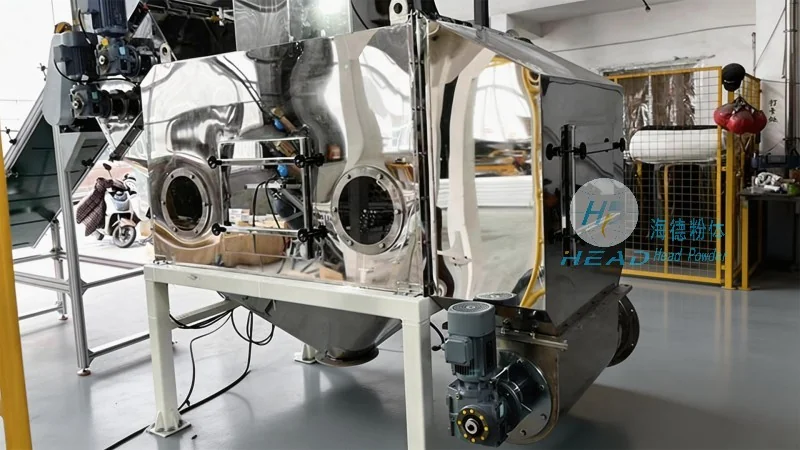
4. Pipeline Transport: The Future of Bulk Fertilizer Delivery
For large-scale, continuous flow of blended fertilizers, pipeline transport represents a modern and efficient solution. This method involves pumping the fertilizer through a network of pipes from the production facility to the distribution points. Pipeline transport is highly automated and can operate 24/7, reducing labor costs and minimizing the risk of human error. Companies like Shandong HeadPowder Engineering Co., Ltd. may invest in or support the development of pipeline infrastructure to provide a reliable supply of blended fertilizers to farmers and agricultural businesses. The use of pipelines is particularly effective for transporting liquid or slurry-based fertilizers, though dry blended fertilizers can also be transported in specialized pipelines with appropriate sealing and mixing mechanisms. This method offers the highest capacity and lowest cost per ton for bulk transport, making it ideal for large-scale agricultural operations.
5. Intermodal Transportation: Combining Multiple Modes for Optimal Efficiency
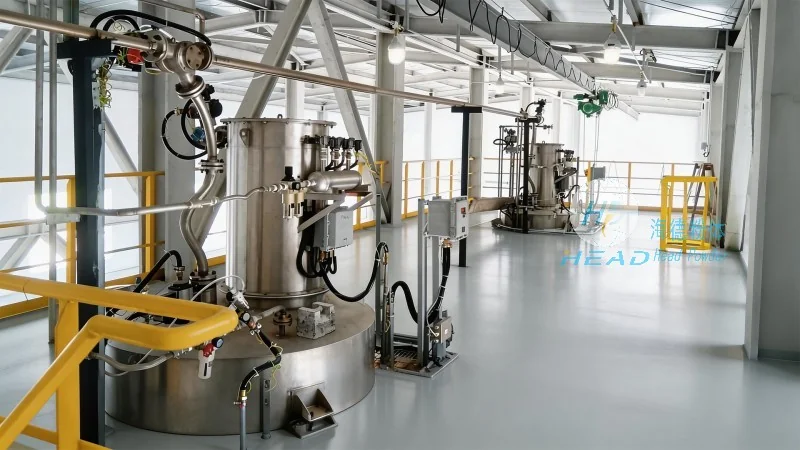
Intermodal transportation involves the use of multiple modes of transport—such as truck, rail, and barge—to move blended fertilizers from the source to the destination. This approach allows companies to leverage the strengths of each mode, optimizing the overall logistics process. For example, a blended fertilizer may be transported by truck from the manufacturing plant to a rail terminal, then moved by rail to a port, and finally delivered by barge to the final destination. Companies like Shandong HeadPowder Engineering Co., Ltd. often use intermodal solutions to ensure timely and cost-effective delivery, especially for international or long-distance shipments. Intermodal transport requires careful coordination between different transport providers to ensure smooth transitions at each mode. However, the complexity of managing multiple modes can be a challenge, and companies must invest in robust logistics management systems to maintain efficiency and reliability.

 Công ty TNHH Kỹ thuật Công trình Bột Hải Đức Sơn Đông
 156-6277-7102(Quản lý Trương)
  0531-83386006
  Quận Chương Khâu, Thành phố Tế Nam, Tỉnh Sơn Đông, Trung Quốc
Điện thoại
WeChatTư vấn
Lên đầu