Công ty Hải Đức Bột với hơn 10 năm kinh nghiệm vận chuyển khí, cung cấp hệ thống‑thiết bị‑quạt gió và nhận dự án tổng thầu bột cả nước
When it comes to transporting soybean grain, several common methods are widely used in the industry. These methods are designed to ensure the efficient and safe movement of soybeans from production sites to processing facilities or distribution centers. Understanding these methods helps in selecting the most appropriate option based on specific operational needs, such as distance, volume, and logistical constraints.
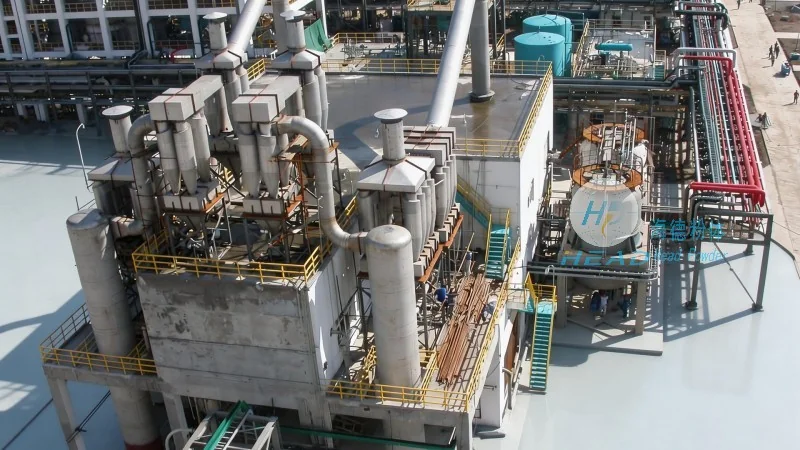
1. Bulk Transportation via Specialized Vehicles
Bulk transportation is a prevalent method for moving large quantities of soybean grain. Specialized trucks, often equipped with bulk tanks or trailers, are used to transport soybeans in bulk. This method is particularly effective for short to medium distances, such as from farms to local processing plants or distribution hubs. The use of specialized vehicles minimizes handling during transit, reducing the risk of contamination or damage to the grain. Additionally, bulk transport is generally more cost-effective for high-volume shipments, as it reduces the number of handling steps and associated labor costs.
2. Containerized Shipping
Containerized shipping is another common method, especially for long-distance transportation, including international trade. Soybean grain is loaded into standard shipping containers, which are then transported by trucks, trains, or ships. This method offers several advantages, including enhanced security, reduced risk of loss or spoilage, and the ability to consolidate shipments with other goods. Containers are also reusable, making them environmentally friendly and cost-effective for frequent shipments. For international trade, containerized shipping is often preferred due to its compatibility with global logistics networks and the ability to handle various types of cargo.
3. Railway Transportation
Railway transportation is a reliable and efficient method for moving soybean grain over long distances, particularly within a country. Trains equipped with specialized grain cars can carry large volumes of soybeans, making it an ideal choice for connecting production regions with processing centers located far from the farms. Rail transport is often more economical than road transport for bulk shipments over long distances, as it reduces fuel consumption and labor costs per ton-mile. Additionally, railways can handle large volumes without the need for multiple trips, which helps in maintaining a steady supply chain.
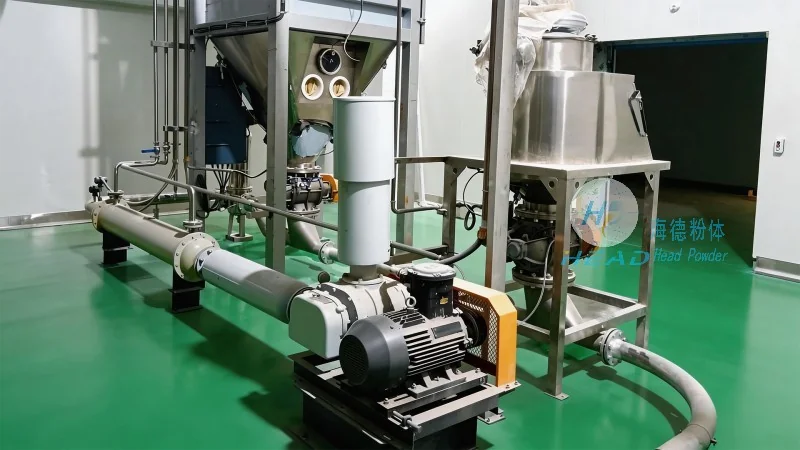
4. Waterway Transportation
Waterway transportation, including the use of bulk carriers or barges, is a cost-effective method for transporting soybean grain over very long distances, especially for international trade. Large vessels can carry thousands of tons of soybeans, making it suitable for bulk export or import operations. This method is particularly advantageous for regions with extensive waterways, as it allows for the movement of large volumes with minimal impact on road or rail infrastructure. However, waterway transport is generally slower than road or rail, and it is subject to weather conditions and port operations, which can affect delivery times.
5. Combined Transport Systems
In many cases, a combination of transportation methods is used to optimize the logistics of soybean grain movement. For example, soybeans may be transported by truck from the farm to a local port, then loaded onto a ship for international transport, and finally delivered to the processing facility by truck or rail. This integrated approach allows for the best of each method: the speed and flexibility of road transport for the initial leg, the cost-effectiveness of water transport for the long-distance leg, and the efficiency of rail or truck transport for the final delivery. Combined transport systems help in reducing overall transportation costs and improving supply chain reliability.
6. Specialized Handling Equipment
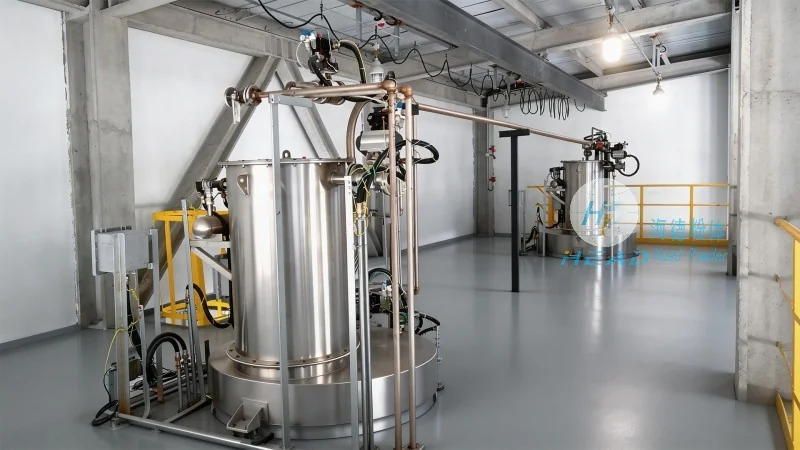
Regardless of the primary transportation method, specialized handling equipment plays a crucial role in the efficient movement of soybean grain. This includes loading and unloading equipment such as conveyor belts, forklifts, and loading cranes. These devices ensure that soybeans are transferred smoothly between different modes of transport, minimizing the risk of spillage or damage. For example, conveyor belts can be used to load soybeans into trucks or containers, while forklifts can move pallets of packaged soybeans. The use of specialized equipment also improves safety by reducing the need for manual handling, which can be hazardous in large-scale operations.
7. Factors Influencing Transportation Method Selection
The choice of transportation method for soybean grain is influenced by several factors, including the volume of grain to be transported, the distance between the origin and destination, the availability of infrastructure, and the cost considerations. For small volumes and short distances, road transport may be the most practical option. For large volumes and long distances, rail or waterway transport may be more economical. The availability of specialized equipment and infrastructure, such as ports or railway lines, also plays a significant role in determining the most suitable method. Additionally, regulatory requirements, such as those related to food safety and environmental protection, may influence the choice of transportation method.
8. Conclusion
In conclusion, the common methods for soybean grain transportation include bulk transport via specialized vehicles, containerized shipping, railway transport, waterway transport, and combined transport systems. Each method has its advantages and is suitable for different operational scenarios. The selection of the most appropriate method depends on various factors, including volume, distance, cost, and infrastructure availability. By understanding these methods and the factors influencing their selection, businesses can optimize their logistics operations and ensure the efficient and safe movement of soybean grain from production to processing and distribution.

 Công ty TNHH Kỹ thuật Công trình Bột Hải Đức Sơn Đông
 156-6277-7102(Quản lý Trương)
  0531-83386006
  Quận Chương Khâu, Thành phố Tế Nam, Tỉnh Sơn Đông, Trung Quốc
Điện thoại
WeChatTư vấn
Lên đầu