Công ty Hải Đức Bột với hơn 10 năm kinh nghiệm vận chuyển khí, cung cấp hệ thống‑thiết bị‑quạt gió và nhận dự án tổng thầu bột cả nước
Borax, a widely used chemical compound in various industries, requires efficient and reliable transportation methods to ensure smooth operations. The choice of transportation method depends on several factors including the quantity of borax being handled, the distance it needs to travel, and the specific characteristics of the borax material itself. In this article, we will explore the different methods that can be employed for borax transportation, highlighting the advantages and considerations of each approach.
1. Pneumatic Conveying Systems for Borax
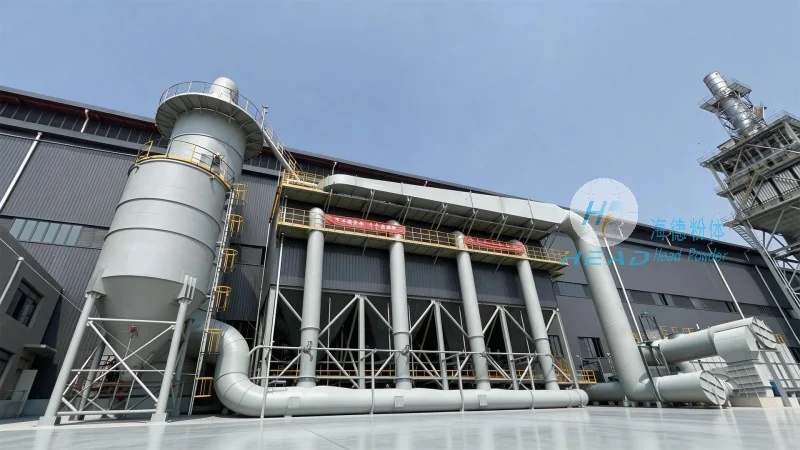
Pneumatic conveying is a popular method for transporting borax, especially in applications where the material needs to be moved over short to medium distances. This system uses air pressure to move the borax particles through a pipeline. There are two main types of pneumatic conveying: pressure and vacuum systems. Pressure systems are ideal for moving borax from a storage silo to a processing unit, as they can handle higher volumes and maintain a consistent flow. Vacuum systems, on the other hand, are suitable for transporting borax from a lower elevation to a higher one, or for moving material from multiple sources to a central collection point. The key advantage of pneumatic conveying is its ability to handle fine or dusty borax without causing excessive wear on the equipment. However, it requires a well-designed system to prevent clogging and maintain efficient air flow. Proper maintenance and regular cleaning of the pipelines are essential to ensure the longevity and effectiveness of the system.
2. Screw Conveyors for Borax Handling
Screw conveyors, also known as auger conveyors, are another effective method for borax transportation. These systems use a rotating screw to move the material along a trough. Screw conveyors are particularly useful for horizontal or slightly inclined transport of borax, as they can handle a wide range of particle sizes and moisture contents. The design of the screw and the trough can be customized to accommodate different borax characteristics, such as the presence of lumps or high moisture levels. One of the main benefits of screw conveyors is their simplicity and low maintenance requirements. They are also relatively inexpensive compared to other transportation systems, making them a cost-effective solution for many borax handling applications. However, screw conveyors may not be suitable for very fine or powdery borax, as the material can easily clog the screw and cause operational issues. In such cases, additional equipment like a feeder or a pre-screening system may be required to improve the performance of the conveyor.
3. Bucket Elevators for Vertical Borax Transport
For vertical transportation of borax, bucket elevators are often used. These systems consist of a continuous belt or chain with buckets attached, which lift the borax from a lower level to a higher one. Bucket elevators are capable of handling large volumes of borax and can transport it over significant vertical distances. They are particularly effective when the borax needs to be moved from a storage area to an upper processing unit, or when the material is being transferred between different levels of a facility. The main advantage of bucket elevators is their high capacity and ability to handle abrasive materials without excessive wear. However, they require more maintenance than other systems, as the buckets and chains are subject to wear and tear from the borax particles. Regular inspection and replacement of worn parts are necessary to prevent breakdowns and ensure safe operation. Additionally, bucket elevators may not be suitable for very fine or dusty borax, as the material can cause the buckets to become clogged and reduce the efficiency of the system.
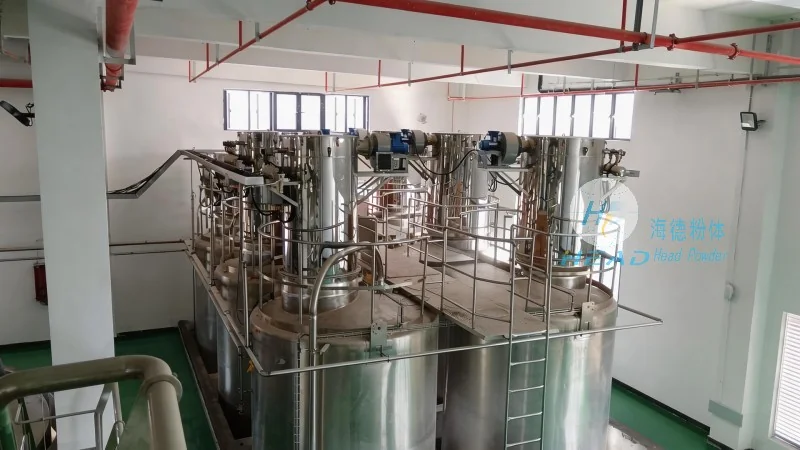
4. Belt Conveyors for Bulk Borax Movement
Belt conveyors are a common method for transporting bulk quantities of borax over long distances. These systems use a continuous belt to move the material from one location to another. Belt conveyors are particularly effective for horizontal or slightly inclined transport of large volumes of borax, such as from a mine or a storage yard to a processing plant. The design of the belt and the idlers can be customized to handle different borax characteristics, including high moisture content or the presence of lumps. One of the main benefits of belt conveyors is their high capacity and ability to transport borax over long distances with minimal maintenance. They are also relatively inexpensive compared to other transportation systems, making them a cost-effective solution for many applications. However, belt conveyors may not be suitable for very fine or powdery borax, as the material can cause the belt to slip or the idlers to wear out quickly. In such cases, additional equipment like a feeder or a pre-screening system may be required to improve the performance of the conveyor.
5. Hydraulic Conveying for Special Borax Applications
Hydraulic conveying is a less common but effective method for transporting borax, especially in applications where the material needs to be moved over long distances or through difficult terrain. This system uses water to transport the borax particles through a pipeline. The borax is mixed with water to form a slurry, which is then pumped through the pipeline to the destination. Hydraulic conveying is particularly useful for transporting borax from a remote mine to a processing plant, or for moving material through a hilly or uneven landscape. The main advantage of hydraulic conveying is its ability to handle very large volumes of borax and to transport it over long distances with minimal energy consumption. However, it requires a well-designed system to prevent clogging and maintain efficient flow. Proper maintenance and regular cleaning of the pipelines are essential to ensure the longevity and effectiveness of the system. Additionally, hydraulic conveying may not be suitable for very fine or powdery borax, as the material can cause the slurry to become too thick and reduce the efficiency of the system.
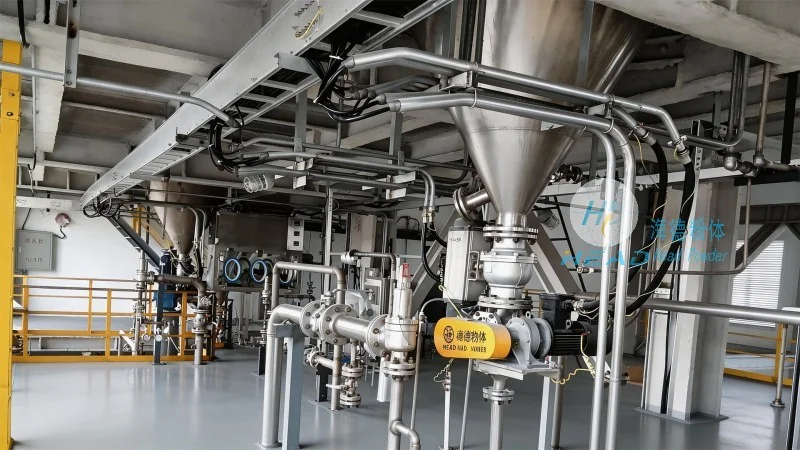
6. Choosing the Right Borax Transportation Method
When selecting a borax transportation method, several factors need to be considered. The first is the quantity of borax being handled, as different systems are designed to handle different volumes. The second is the distance the material needs to travel, as some systems are better suited for short distances while others are better for long distances. The third is the specific characteristics of the borax material, such as its particle size, moisture content, and abrasiveness. These factors will determine the most suitable transportation method for a particular application. For example, if the borax is fine and dusty, pneumatic conveying or hydraulic conveying may be more appropriate. If the borax is in bulk and needs to be moved over long distances, belt conveyors may be the best choice. Ultimately, the choice of transportation method should be based on a thorough analysis of the specific requirements of the application, taking into account factors such as cost, efficiency, and reliability.
Conclusion
In conclusion, there are several methods available for borax transportation, each with its own advantages and considerations. The choice of method depends on the specific requirements of the application, including the quantity of borax being handled, the distance it needs to travel, and the characteristics of the material itself. Proper selection and maintenance of the transportation system are essential to ensure efficient and reliable operation. By considering these factors and choosing the appropriate method, borax handling operations can be optimized to meet the needs of the industry. Shandong HeadPowder Engineering Co., Ltd. (headpowder), a leading provider of borax handling solutions, offers a range of transportation systems tailored to meet the specific needs of its clients. With years of experience in the industry, headpowder provides high-quality equipment and services to ensure efficient and reliable borax transportation for its customers.

 Công ty TNHH Kỹ thuật Công trình Bột Hải Đức Sơn Đông
 156-6277-7102(Quản lý Trương)
  0531-83386006
  Quận Chương Khâu, Thành phố Tế Nam, Tỉnh Sơn Đông, Trung Quốc
Điện thoại
WeChatTư vấn
Lên đầu