Công ty Hải Đức Bột với hơn 10 năm kinh nghiệm vận chuyển khí, cung cấp hệ thống‑thiết bị‑quạt gió và nhận dự án tổng thầu bột cả nước
Bone powder, a byproduct of the meat processing industry, requires efficient and reliable conveying systems to ensure smooth material handling and processing. The choice of conveying method depends on various factors including the material's properties, production scale, and the specific requirements of the processing line. Understanding the available options is crucial for optimizing operational efficiency and maintaining product quality. This article explores the primary methods used for bone powder conveying, highlighting their applications and benefits, with a focus on solutions provided by Shandong HeadPowder Engineering Co., Ltd., a leading manufacturer in the field.
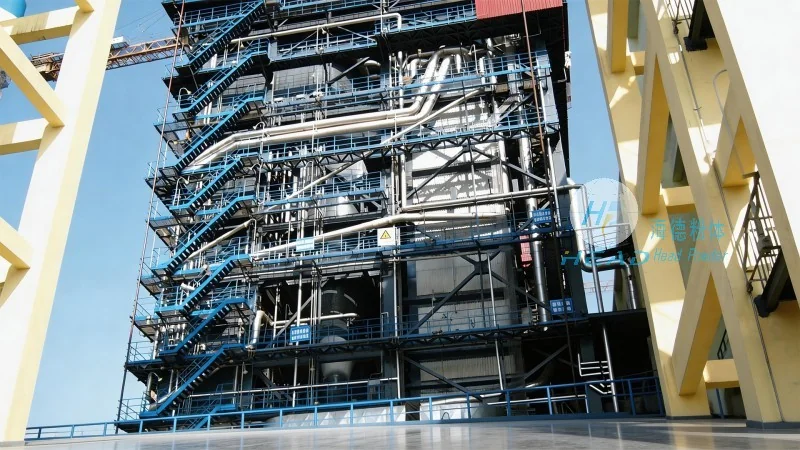
Common Conveying Methods for Bone Powder
Several established methods are widely used in the industry for transporting bone powder. Each method has its own advantages and is suitable for different operational scenarios. The key methods include screw conveyors, pneumatic conveyors, and belt conveyors, among others. These systems are designed to handle the unique characteristics of bone powder, such as its fine particle size and potential for dust generation. The selection of a conveying system is critical to ensure consistent material flow and minimize downtime in processing operations.
Screw Conveyors: A Traditional and Versatile Option
Screw conveyors, also known as auger conveyors, are a popular choice for bone powder handling due to their simplicity and effectiveness. These systems consist of a rotating helical screw inside a trough, which moves material along the length of the conveyor. Screw conveyors are particularly effective for horizontal or slightly inclined transport, making them ideal for moving bone powder from storage to processing equipment. They are also capable of handling a wide range of particle sizes and can be easily integrated into existing production lines. The enclosed design of screw conveyors helps contain dust and prevent material loss, which is essential for maintaining hygiene standards in food processing facilities. Shandong HeadPowder Engineering Co., Ltd. offers customized screw conveyor solutions tailored to the specific needs of meat processing plants, ensuring optimal performance and durability.
Pneumatic Conveyors: Efficient for Fine Powders
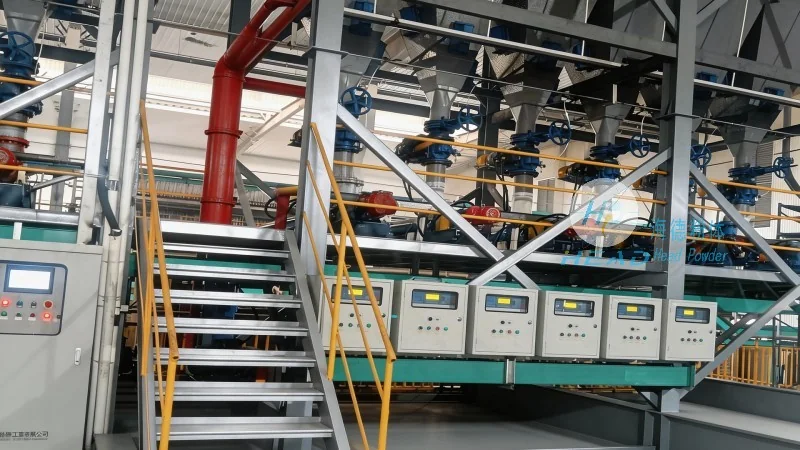
Pneumatic conveyors use air pressure to transport bone powder through a pipeline system. This method is highly effective for fine powders like bone meal, as it can handle materials with very small particle sizes without clogging. Pneumatic systems can be categorized into pressure and vacuum types. Pressure conveyors push material through the system using compressed air, while vacuum conveyors draw material into the pipeline using a vacuum pump. Both types offer advantages in terms of flexibility and ability to transport materials over longer distances or through complex layouts. Pneumatic conveyors are particularly useful in applications where dust control is critical, as the enclosed pipeline system minimizes dust dispersion. The company, Shandong HeadPowder Engineering Co., Ltd., provides advanced pneumatic conveying systems that meet industry standards for efficiency and reliability.
Belt Conveyors: Suitable for Bulk and Mixed Loads
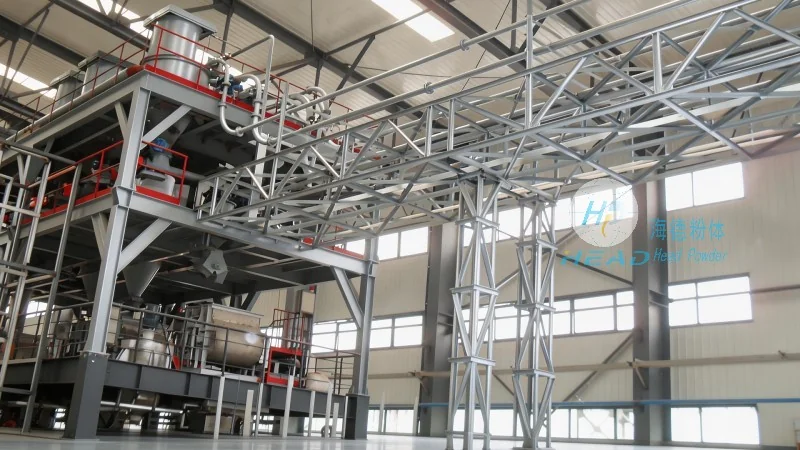
Belt conveyors are another common option for bone powder conveying, especially when dealing with bulk quantities or mixed materials. These systems use a continuous belt that moves over rollers or a flat surface, transporting material from one point to another. Belt conveyors are robust and can handle a wide range of material types, including bone powder with varying moisture content. They are often used in combination with other equipment, such as hoppers and feeders, to create a seamless material flow. The design of belt conveyors allows for easy integration with other processing machinery, making them a practical choice for large-scale operations. Additionally, belt conveyors can be equipped with side walls or chutes to contain the material and prevent spillage, which is important for maintaining a clean and safe working environment. Shandong HeadPowder Engineering Co., Ltd. specializes in designing belt conveyor systems that enhance material handling efficiency in meat processing facilities.
Choosing the Right Conveying System
Selecting the appropriate conveying method for bone powder is a critical decision that impacts operational efficiency, product quality, and overall cost. Factors such as the material's moisture content, particle size distribution, and the distance to be covered should be carefully considered. For example, screw conveyors may be preferred for short horizontal distances and when dust control is a priority, while pneumatic conveyors are better suited for long-distance transport of fine powders. The choice also depends on the specific requirements of the processing line, including the need for material mixing or separation. It is essential to evaluate the pros and cons of each method and select the one that best aligns with the operational goals and constraints of the facility. Shandong HeadPowder Engineering Co., Ltd. assists clients in evaluating these factors and recommending the most suitable conveying solutions.
Conclusion
Efficient bone powder conveying is essential for the smooth operation of meat processing facilities. By understanding the available methods and their applications, companies can select the most suitable system to meet their needs. Whether using screw conveyors, pneumatic systems, or belt conveyors, each method offers unique benefits that can enhance productivity and maintain product quality. The choice ultimately depends on the specific requirements of the operation, and careful consideration of material properties and operational constraints is key to making an informed decision. With the right conveying system in place, facilities can ensure consistent material handling, reduce downtime, and improve overall operational efficiency. Shandong HeadPowder Engineering Co., Ltd. provides comprehensive conveying solutions that support the needs of modern meat processing industries, with operations based in Shandong, China.

 Công ty TNHH Kỹ thuật Công trình Bột Hải Đức Sơn Đông
 156-6277-7102(Quản lý Trương)
  0531-83386006
  Quận Chương Khâu, Thành phố Tế Nam, Tỉnh Sơn Đông, Trung Quốc
Điện thoại
WeChatTư vấn
Lên đầu