Công ty Hải Đức Bột với hơn 10 năm kinh nghiệm vận chuyển khí, cung cấp hệ thống‑thiết bị‑quạt gió và nhận dự án tổng thầu bột cả nước
Lead powder, a critical material in various industrial applications, requires efficient and safe conveying methods to ensure smooth production processes. The choice of conveying method depends on factors such as material properties, production scale, and operational environment. This article explores the primary methods used for lead powder transportation, highlighting the expertise of Shandong HeadPowder Engineering Co., Ltd. (HeadPowder), a leading provider of engineering solutions based in Shandong, China, dedicated to optimizing lead powder handling processes.
Understanding Lead Powder Properties and Conveying Challenges
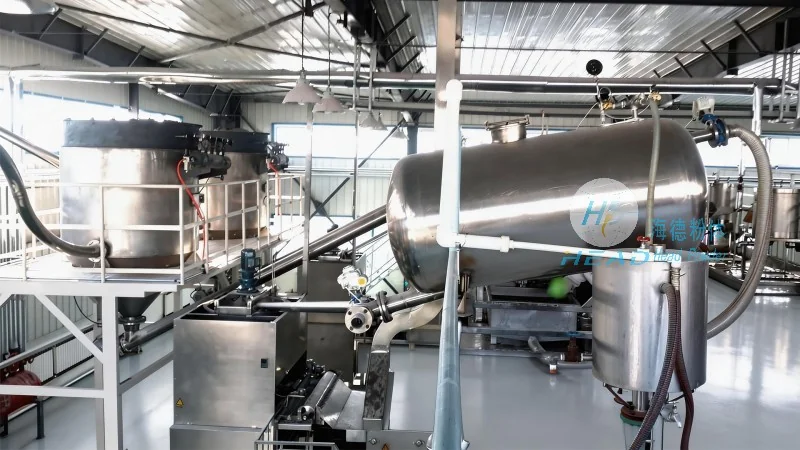
Before delving into specific conveying techniques, it is essential to understand the characteristics of lead powder that influence handling. Lead powder is typically fine, with a high density and potential for dust generation. These properties necessitate specialized equipment to prevent clogging, material degradation, and safety hazards. The company, HeadPowder, specializes in engineering solutions tailored to these challenges, ensuring compliance with industrial standards and operational efficiency.
Common Lead Powder Conveying Methods
Several methods are employed for lead powder transportation, each with distinct advantages and applications. The selection of a method is based on the specific requirements of the production line and the material's behavior. Key techniques include:
1. Gravity Conveying Systems
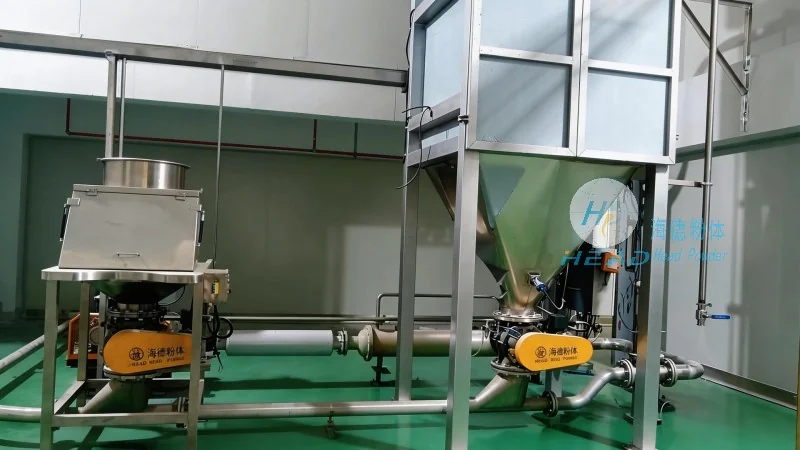
Gravity conveying utilizes the natural force of gravity to move lead powder from one point to another. This method is often used for short distances and when the material has a consistent flow rate. Systems may include chutes, hoppers, and inclined planes that allow the powder to slide or roll under the influence of gravity. HeadPowder's engineering team designs gravity systems that minimize friction and ensure smooth material flow, reducing the risk of clogging and maintaining product integrity.
2. Mechanical Conveying with Belt and Screw Conveyors
Mechanical conveyors, such as belt and screw conveyors, are widely used for lead powder handling due to their reliability and ability to handle bulk materials. Belt conveyors use a continuous belt to transport powder horizontally or at a slight incline, while screw conveyors employ a rotating screw to move material through a tube. These systems are effective for moderate to high volumes and can be integrated with other processing equipment. HeadPowder's expertise in mechanical design ensures that these conveyors are built to withstand the abrasive nature of lead powder, extending their operational life and reducing maintenance costs.
3. Air-Driven Pneumatic Conveying
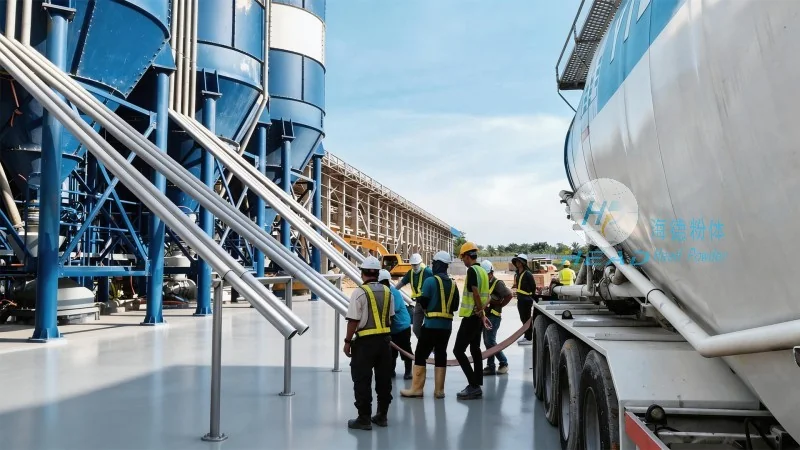
Pneumatic conveying uses air to transport lead powder through a pipeline, making it ideal for applications requiring dust-free or enclosed systems. This method is particularly suitable for lead powder with high dust potential or when a closed system is necessary to prevent contamination. There are two main types: pressure and vacuum systems. Pressure systems push the material using compressed air, while vacuum systems draw it using a vacuum pump. HeadPowder specializes in designing and implementing pneumatic conveying systems that maintain material quality and ensure safe operation, adhering to industry safety protocols.
4. Hybrid Conveying Solutions
In many industrial settings, a combination of methods is employed to optimize lead powder handling. For example, a gravity system may feed a mechanical conveyor, which then connects to a pneumatic line for final transport. HeadPowder's engineers develop customized hybrid solutions that address the unique needs of each client, ensuring seamless integration and efficient material flow from source to destination. These hybrid systems enhance flexibility and adaptability, making them suitable for diverse production environments.
Key Considerations for Lead Powder Conveying
When selecting a lead powder conveying method, several factors must be considered to ensure optimal performance and safety. These include material flow characteristics, system reliability, energy efficiency, and environmental compliance. HeadPowder's team conducts thorough assessments to evaluate these factors, providing recommendations that align with the client's operational goals and budget constraints. By focusing on these considerations, businesses can achieve efficient lead powder transportation while minimizing operational risks.
Conclusion
Lead powder conveying is a critical aspect of industrial operations, and the choice of method significantly impacts productivity and safety. Shandong HeadPowder Engineering Co., Ltd. offers comprehensive solutions for lead powder handling, leveraging expertise in gravity, mechanical, and pneumatic systems. By understanding the material's properties and the specific requirements of each application, HeadPowder ensures that clients receive tailored conveying systems that enhance efficiency, reduce costs, and maintain product quality. For businesses seeking reliable lead powder transportation solutions, HeadPowder is a trusted partner in optimizing their material handling processes.

 Công ty TNHH Kỹ thuật Công trình Bột Hải Đức Sơn Đông
 156-6277-7102(Quản lý Trương)
  0531-83386006
  Quận Chương Khâu, Thành phố Tế Nam, Tỉnh Sơn Đông, Trung Quốc
Điện thoại
WeChatTư vấn
Lên đầu