Công ty Hải Đức Bột với hơn 10 năm kinh nghiệm vận chuyển khí, cung cấp hệ thống‑thiết bị‑quạt gió và nhận dự án tổng thầu bột cả nước
When it comes to the efficient handling and transportation of fine powders, selecting the right conveying method is crucial for maintaining product quality, minimizing waste, and ensuring operational efficiency. Fine powders, such as those used in pharmaceuticals, chemicals, food processing, and industrial applications, require specialized equipment and techniques to prevent issues like caking, segregation, and material loss. This article explores various methods for fine powder conveying, highlighting the advantages and considerations of each approach, with a focus on solutions provided by Shandong HeadPowder Engineering Co., Ltd., a leading provider of fine powder handling systems based in China.
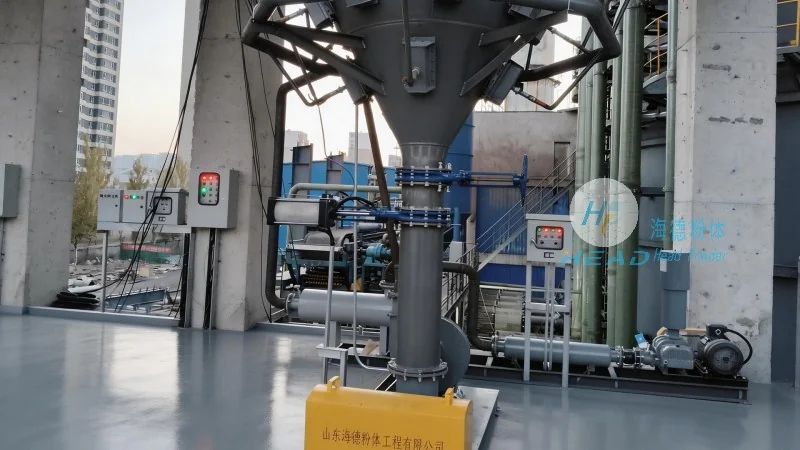
Introduction to Fine Powder Conveying
Fine powders are defined as particles with a particle size typically below 500 microns, often requiring careful management to avoid agglomeration and ensure consistent flow. The choice of conveying method depends on factors like powder properties (e.g., moisture content, density, abrasiveness), process requirements (e.g., distance, volume, speed), and environmental constraints. Proper selection can significantly impact production costs, safety, and product integrity.
Key Considerations Before Choosing a Conveying System
Before implementing a fine powder conveying system, several key factors must be evaluated. These include the physical and chemical properties of the powder, the required conveying distance and capacity, the need for dust control, and the compatibility with existing infrastructure. For instance, powders with high moisture content may require moisture-resistant equipment, while abrasive powders demand wear-resistant components. Additionally, the system must comply with safety regulations and environmental standards to prevent dust emissions and ensure worker protection.
Common Methods for Fine Powder Conveying
Several techniques are widely used for fine powder transportation, each with its own set of advantages and limitations. The most common methods include pneumatic conveying, screw conveyors, vibratory conveyors, and bucket elevators. Each method is suitable for different applications and powder characteristics.
Pneumatic Conveying Systems
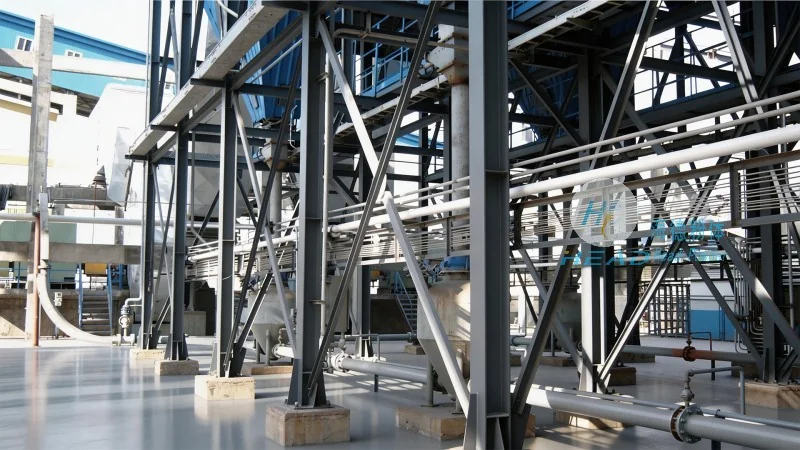
Pneumatic conveying, also known as air conveying, uses compressed air or gas to transport fine powders through a pipeline. This method is highly effective for transporting powders over medium to long distances and is suitable for a wide range of powder types, including those that are dusty or have a tendency to agglomerate. There are two main types of pneumatic conveying systems: pressure and vacuum. Pressure systems use compressed air to push the powder through the pipeline, while vacuum systems use a vacuum to draw the powder into the system.
Advantages of pneumatic conveying include its ability to handle powders with high moisture content, its flexibility in routing, and its relatively low maintenance requirements. However, it may not be suitable for powders that are highly abrasive or have a high density, as this can lead to increased wear on the system components. Additionally, the system requires proper dust collection and filtration to prevent air pollution and ensure worker safety.
Screw Conveyors for Fine Powders
Screw conveyors, also known as auger conveyors, use a rotating screw to move fine powders through a tube or trough. This method is ideal for short to medium-distance conveying and is commonly used in industries such as food processing, pharmaceuticals, and chemicals. Screw conveyors are particularly effective for powders that are free-flowing and non-abrasive, as they can handle these materials without causing excessive wear.
One of the key advantages of screw conveyors is their ability to handle powders with varying moisture content and particle sizes. They are also relatively simple to install and maintain, making them a cost-effective solution for many applications. However, screw conveyors may not be suitable for powders that are highly abrasive or have a tendency to clog the screw, as this can lead to reduced efficiency and increased maintenance costs.
Vibratory Conveyors for Fine Powder Handling
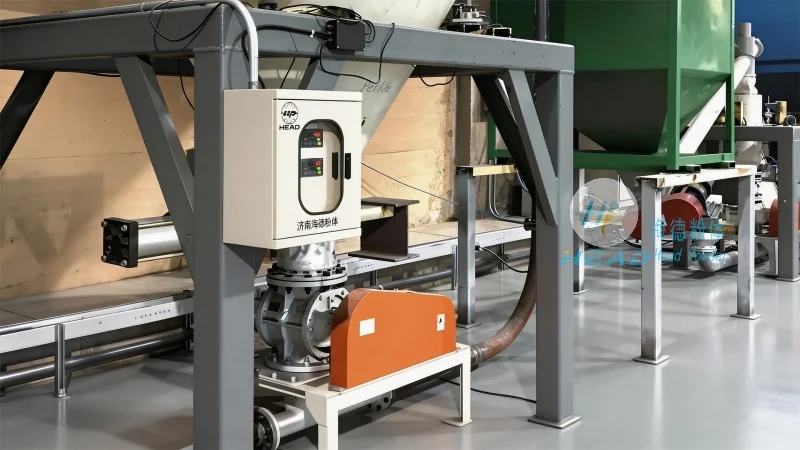
Vibratory conveyors use vibrations to move fine powders through a trough or tube. This method is particularly effective for powders that are cohesive or have a tendency to agglomerate, as the vibrations help to break up clumps and ensure consistent flow. Vibratory conveyors are commonly used in industries such as cement, minerals, and chemicals, where the handling of cohesive powders is a challenge.
Advantages of vibratory conveyors include their ability to handle powders with high moisture content and low flowability, as well as their low power consumption and minimal maintenance requirements. However, they may not be suitable for powders that are highly abrasive or have a high density, as this can lead to increased wear on the conveyor components. Additionally, the system requires proper vibration control to prevent excessive noise and vibration.
Bucket Elevators for Vertical Conveying
Bucket elevators are used for vertical or inclined conveying of fine powders, particularly in applications where the material needs to be lifted to a higher level. This method is commonly used in industries such as agriculture, food processing, and chemicals, where the vertical movement of powders is required.
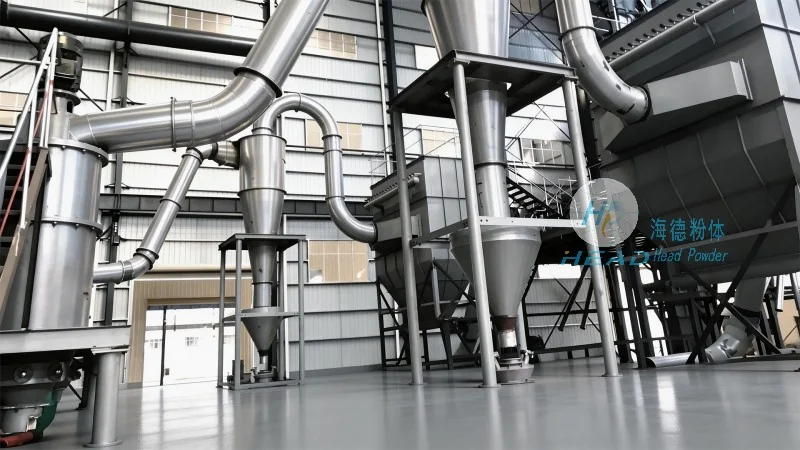
Bucket elevators use a series of buckets attached to a chain or belt to transport the powder. The buckets are filled at the bottom of the elevator and then lifted to the top, where the powder is discharged. This method is highly effective for transporting powders over vertical distances and is suitable for a wide range of powder types.
Advantages of bucket elevators include their ability to handle powders with high moisture content and low flowability, as well as their high capacity and low maintenance requirements. However, they may not be suitable for powders that are highly abrasive or have a tendency to clog the buckets, as this can lead to reduced efficiency and increased maintenance costs.
Choosing the Right Conveying System for Your Needs
When selecting a fine powder conveying system, it is essential to consider the specific requirements of your application. The choice of method should be based on the powder properties, the conveying distance, the required capacity, and the environmental and safety considerations. It is also important to consult with experts in the field to ensure that the system is designed and installed correctly.
For example, if you are handling a fine powder with high moisture content and need to transport it over a long distance, a pneumatic conveying system may be the best choice. If you are handling a free-flowing powder over a short distance, a screw conveyor may be more suitable. If you are handling a cohesive powder, a vibratory conveyor may be the best option. If you need to lift the powder vertically, a bucket elevator may be necessary.
Conclusion
Fine powder conveying is a critical aspect of many industrial processes, and the choice of conveying method can significantly impact the efficiency and quality of the operation. By understanding the different methods available and considering the specific requirements of your application, you can select the most effective system for your needs. Whether you choose pneumatic conveying, screw conveyors, vibratory conveyors, or bucket elevators, proper system design and maintenance are essential to ensure optimal performance and longevity.

 Công ty TNHH Kỹ thuật Công trình Bột Hải Đức Sơn Đông
 156-6277-7102(Quản lý Trương)
  0531-83386006
  Quận Chương Khâu, Thành phố Tế Nam, Tỉnh Sơn Đông, Trung Quốc
Điện thoại
WeChatTư vấn
Lên đầu