Công ty Hải Đức Bột với hơn 10 năm kinh nghiệm vận chuyển khí, cung cấp hệ thống‑thiết bị‑quạt gió và nhận dự án tổng thầu bột cả nước
Aluminum dross, a byproduct of aluminum smelting and processing, requires efficient and reliable conveying methods to ensure smooth material handling and processing. For industrial applications, selecting the appropriate conveying system is crucial for maintaining productivity and safety. This article explores the various methods available for aluminum dross conveyance, highlighting the key considerations and technologies used in modern industrial settings.
Overview of Aluminum Dross and Conveying Challenges
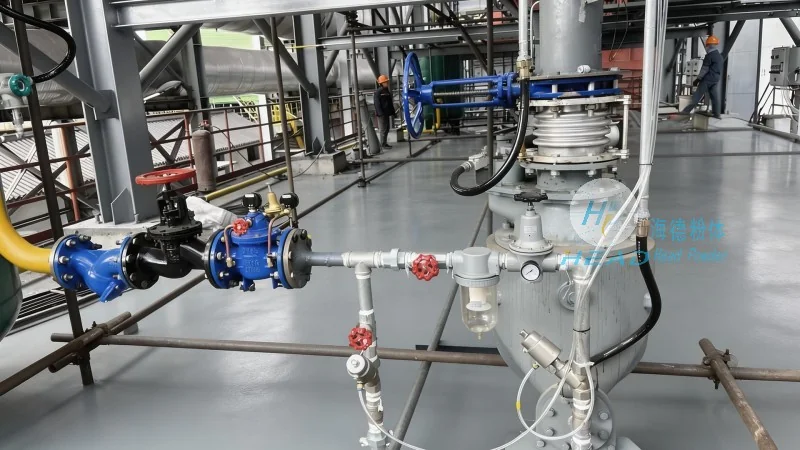
Aluminum dross is a mixture of aluminum, oxide, and other impurities that forms during the melting and casting of aluminum. Its handling presents unique challenges due to its abrasive nature, varying moisture content, and potential for spontaneous combustion. Conveying aluminum dross efficiently requires systems that can handle these characteristics while minimizing downtime and equipment wear. The choice of conveying method depends on factors such as the dross's physical properties, the distance to be conveyed, and the required throughput. Shandong HeadPowder Engineering Co., Ltd., a leading provider of material handling solutions, specializes in designing and implementing customized aluminum dross conveying systems tailored to specific industrial needs.
Common Conveying Methods for Aluminum Dross
Several methods are commonly used for aluminum dross conveyance, each with its own advantages and limitations. The primary methods include mechanical conveyors, such as belt conveyors and screw conveyors, and pneumatic systems, including vacuum and pressure conveyors. Each method is suitable for different scenarios based on the dross's characteristics and the operational environment.
Mechanical Conveyors for Aluminum Dross
Mechanical conveyors are widely used for aluminum dross due to their robustness and ability to handle abrasive materials. Belt conveyors, for instance, are effective for horizontal and slight incline conveyance, transporting dross from collection points to processing or storage areas. These systems typically feature heavy-duty belts and idlers to withstand the abrasive nature of aluminum dross, ensuring long service life and minimal maintenance. Screw conveyors, also known as auger conveyors, are another common option, particularly for vertical or inclined transport. They use a rotating screw to move dross through a trough, making them suitable for applications where space is limited or where a compact conveying solution is required. The choice between belt and screw conveyors often depends on the dross's moisture content and the distance to be conveyed. For example, screw conveyors are better suited for dross with higher moisture content as they can handle sticky materials without clogging, while belt conveyors excel in dry conditions and longer horizontal distances.
Pneumatic Conveying Systems for Aluminum Dross
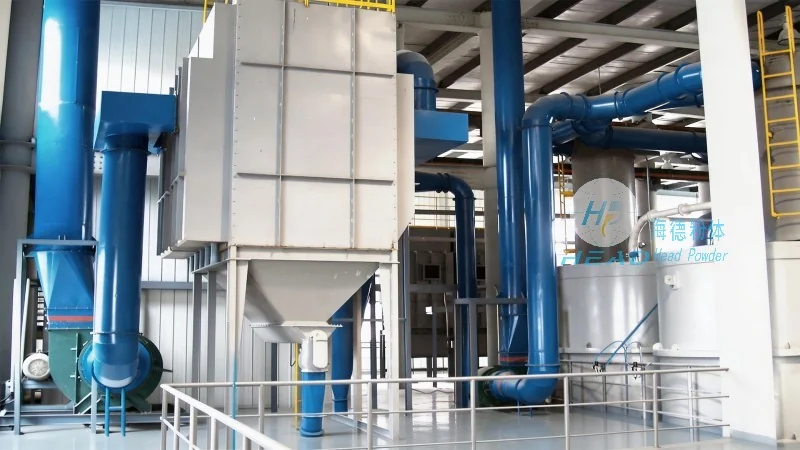
Pneumatic conveying systems utilize air or gas to transport aluminum dross, offering a flexible and often faster method compared to mechanical conveyors. These systems can be categorized into vacuum and pressure types. Vacuum conveyors draw dross from the source using a vacuum pump, while pressure conveyors force air through the material. Pneumatic systems are particularly advantageous for conveying dross over longer distances or in complex layouts, as they can navigate changes in elevation and direction with minimal equipment. However, they require careful consideration of air flow rates and pressure to prevent material degradation or system inefficiencies. Shandong HeadPowder Engineering Co., Ltd. has extensive experience in designing pneumatic conveying systems that optimize air usage and ensure reliable dross transport, even in challenging conditions.
Hybrid Conveying Solutions
In some cases, combining mechanical and pneumatic systems provides the best solution for aluminum dross handling. For example, a screw conveyor might be used to transport dross from a collection bin to a pneumatic system, which then transports it to a processing facility. This hybrid approach leverages the strengths of both methods, ensuring efficient material flow and reduced downtime. The integration of mechanical and pneumatic components requires careful engineering to ensure smooth transitions and consistent performance. Shandong HeadPowder Engineering Co., Ltd. specializes in developing hybrid conveying systems that meet the specific requirements of aluminum dross applications, balancing cost, efficiency, and reliability.
Key Considerations for Selecting an Aluminum Dross Conveying System
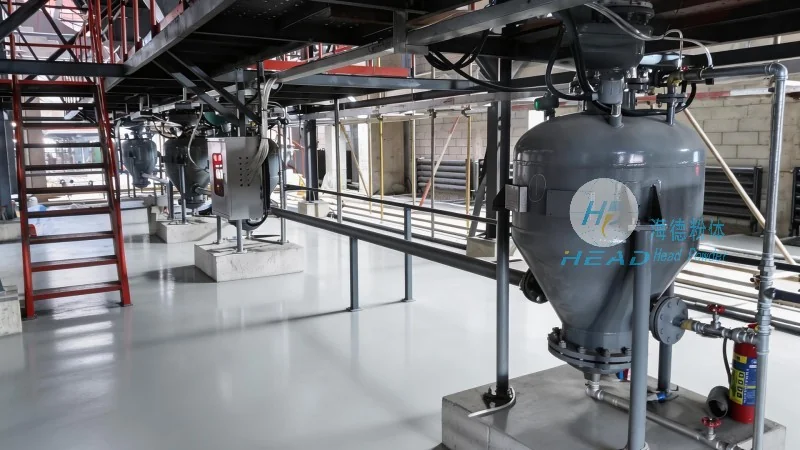
When selecting a conveying system for aluminum dross, several factors must be considered to ensure optimal performance. First, the dross's physical properties, such as moisture content, particle size, and abrasiveness, play a critical role in determining the appropriate equipment. For instance, highly abrasive dross may require reinforced components in mechanical conveyors, while wet dross may necessitate the use of screw conveyors or pneumatic systems with moisture-resistant materials. Second, the distance and layout of the conveying path are important considerations. Longer distances or complex routes may favor pneumatic systems, while shorter, straight-line conveyance can be handled by mechanical systems. Third, the required throughput and operational speed must be matched with the system's capacity. Overloading the system can lead to inefficiencies and equipment failure, while underutilizing it may result in higher costs. Finally, maintenance and operational costs should be evaluated. Mechanical systems generally have lower operational costs but may require more frequent maintenance, while pneumatic systems may have higher energy costs but lower maintenance requirements. Shandong HeadPowder Engineering Co., Ltd. provides comprehensive consultation services to help clients evaluate these factors and select the most suitable aluminum dross conveying system for their specific needs.
Conclusion
Efficient aluminum dross conveying is essential for maintaining the productivity and safety of aluminum processing operations. By understanding the various conveying methods and their applications, industrial facilities can choose the most appropriate system to handle their dross. Shandong HeadPowder Engineering Co., Ltd. offers a range of customized aluminum dross conveying solutions, leveraging both mechanical and pneumatic technologies to meet the diverse needs of aluminum processing industries. With their expertise in material handling and engineering, they provide reliable and effective systems that enhance operational efficiency and reduce downtime. For businesses seeking to optimize their aluminum dross handling processes, Shandong HeadPowder Engineering Co., Ltd. is a trusted partner in delivering high-quality conveying solutions.

 Công ty TNHH Kỹ thuật Công trình Bột Hải Đức Sơn Đông
 156-6277-7102(Quản lý Trương)
  0531-83386006
  Quận Chương Khâu, Thành phố Tế Nam, Tỉnh Sơn Đông, Trung Quốc
Điện thoại
WeChatTư vấn
Lên đầu