Công ty Hải Đức Bột với hơn 10 năm kinh nghiệm vận chuyển khí, cung cấp hệ thống‑thiết bị‑quạt gió và nhận dự án tổng thầu bột cả nước
When it comes to the efficient and reliable transport of fine powders, selecting the right conveying method is crucial for maintaining product quality and operational efficiency. Fine powders, such as those used in pharmaceuticals, chemicals, food processing, and industrial applications, require specialized equipment to prevent issues like caking, segregation, and loss. This article explores the primary methods of fine powder conveying, highlighting the key considerations and applications for each approach.
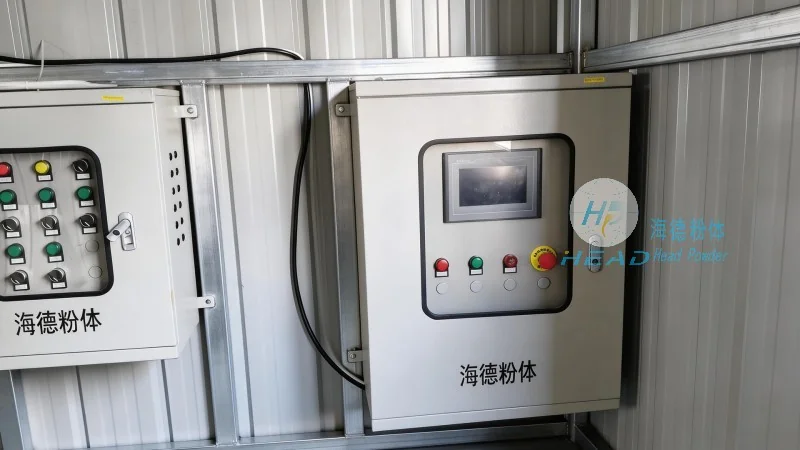
1. Air-Lift or Pneumatic Conveying Systems
Air-lift or pneumatic conveying systems utilize compressed air or other gases to transport fine powders through a pipeline. This method is highly effective for materials that are light and free-flowing, as the air flow creates a drag force that pulls the powder particles along. Pneumatic systems can be categorized into two main types: pressure and vacuum. Pressure systems use a blower to force air and powder into the pipeline, while vacuum systems use a vacuum pump to draw the material from the source. HeadPowder Engineering specializes in designing custom pneumatic conveying solutions tailored to the specific characteristics of the powder, ensuring optimal flow rates and minimal degradation. The company’s expertise in material handling allows for the selection of appropriate air velocities and pipeline configurations to prevent particle segregation and maintain product integrity.
2. Screw or Auger Conveyors
Screw or auger conveyors are mechanical devices that use a rotating screw to move fine powders along a trough or tube. These systems are particularly suitable for materials that are cohesive or have a tendency to stick to surfaces, as the screw’s helical design provides continuous forward motion. Screw conveyors can operate under both gravity and pressure, making them versatile for vertical and horizontal transport. HeadPowder Engineering offers a range of screw conveyor solutions, including variable-speed drives and material handling accessories, to enhance the performance of fine powder transport. The company’s engineers consider factors such as powder density, moisture content, and particle size when designing screw conveyors, ensuring that the equipment can handle the specific material without causing blockages or wear. This approach helps maintain consistent flow rates and reduces maintenance requirements.
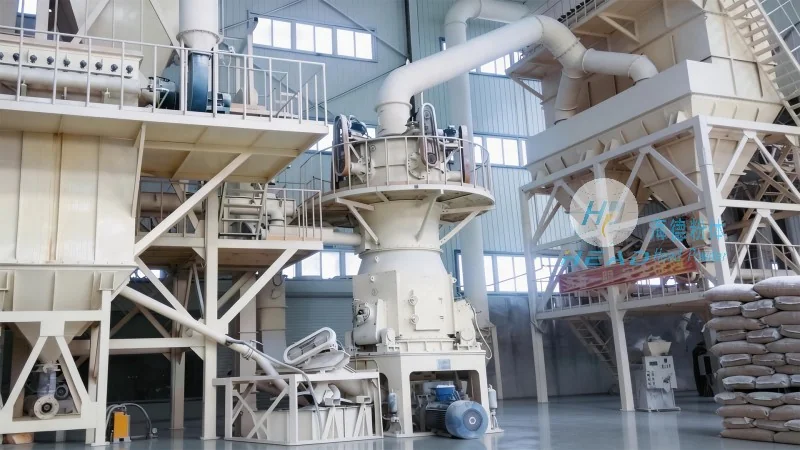
3. Vibratory Conveyors
Vibratory conveyors use vibrations to move fine powders through a trough or tube. The system consists of a conveyor bed that is excited by an electric motor-driven unbalance, creating a sinusoidal motion. This motion causes the powder to move forward by a combination of sliding and rolling action. Vibratory conveyors are ideal for materials that are prone to caking or have high moisture content, as the vibrations prevent the material from settling and sticking. HeadPowder Engineering provides custom vibratory conveyor designs that can be adjusted for different powder types and processing requirements. The company’s solutions often include features like adjustable vibration frequencies and amplitude controls, allowing for optimization of the conveying process. By reducing the risk of material degradation and ensuring smooth transport, vibratory conveyors are a reliable choice for fine powder handling.
4. Belt Conveyors with Specialized Belts
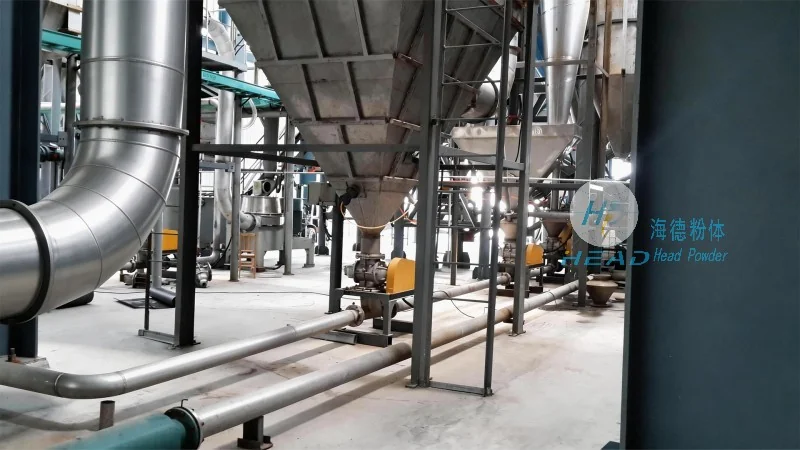
Belt conveyors are commonly used for bulk material transport, but for fine powders, specialized belts are required to prevent product loss and maintain cleanliness. These belts may feature smooth surfaces, anti-static properties, or high friction coefficients to ensure proper material grip. HeadPowder Engineering designs belt conveyor systems with materials that are compatible with the specific powder, such as food-grade or chemical-resistant options. The company’s engineers focus on minimizing belt slip and ensuring even distribution of the powder along the conveyor. This approach helps maintain product quality and reduces the risk of contamination. Belt conveyors are particularly effective for horizontal and slight incline transport, making them suitable for applications where a continuous flow is needed without excessive energy consumption.
5. Hydraulic Conveying
Hydraulic conveying systems use a liquid medium, typically water or a specialized fluid, to transport fine powders. The powder is suspended in the liquid and carried through a pipeline. This method is effective for materials that are difficult to handle with air or mechanical systems, such as highly abrasive or corrosive powders. HeadPowder Engineering offers hydraulic conveying solutions that can handle a wide range of particle sizes and concentrations. The company’s designs include filtration systems to remove excess liquid and prevent clogging, ensuring the material is delivered in a dry or semi-dry state. Hydraulic conveying is particularly useful in applications where dust control is critical, as the liquid medium reduces airborne particles. However, it requires careful consideration of the liquid's compatibility with the powder and the need for additional drying steps.
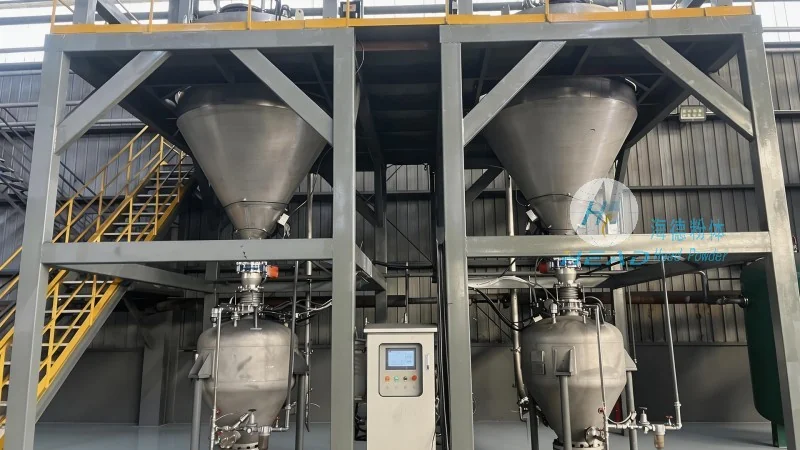
6. Combination Systems
In many industrial applications, a single conveying method may not be sufficient to handle the entire process. HeadPowder Engineering often recommends combination systems that integrate multiple technologies to achieve optimal performance. For example, a pneumatic system might be used for the initial transport from a hopper, followed by a screw conveyor for final processing. These hybrid systems allow for flexibility and efficiency, as each component is optimized for its specific stage of the operation. The company’s engineers work closely with clients to design integrated solutions that meet their unique production requirements, ensuring seamless material flow from source to destination. By combining different conveying methods, businesses can achieve higher throughput, reduced downtime, and improved product quality.
Choosing the right fine powder conveying method requires a thorough understanding of the material's properties, the process requirements, and the operational constraints. HeadPowder Engineering, with its expertise in material handling and custom equipment design, provides comprehensive solutions tailored to each client's needs. Whether it's pneumatic, screw, vibratory, or a combination system, the company's approach focuses on reliability, efficiency, and product integrity. By partnering with HeadPowder Engineering, businesses can ensure that their fine powder transport processes are optimized for performance and longevity.

 Công ty TNHH Kỹ thuật Công trình Bột Hải Đức Sơn Đông
 156-6277-7102(Quản lý Trương)
  0531-83386006
  Quận Chương Khâu, Thành phố Tế Nam, Tỉnh Sơn Đông, Trung Quốc
Điện thoại
WeChatTư vấn
Lên đầu