Công ty Hải Đức Bột với hơn 10 năm kinh nghiệm vận chuyển khí, cung cấp hệ thống‑thiết bị‑quạt gió và nhận dự án tổng thầu bột cả nước
Aluminum dross, a byproduct of aluminum smelting and processing, requires efficient and reliable transport systems to manage its handling and recycling. The methods used for aluminum dross transport vary based on the scale of operations, the physical properties of the dross, and the specific requirements of the recycling process. Understanding these transport methods is crucial for optimizing material flow and ensuring the sustainability of aluminum production cycles.
Key Factors Influencing Aluminum Dross Transport Choices
When selecting a transport method for aluminum dross, several factors must be considered. These include the volume of dross to be moved, the distance over which it needs to be transported, the environmental regulations in the area, and the cost-effectiveness of each option. Additionally, the physical characteristics of the dross, such as its density, moisture content, and particle size, play a significant role in determining the most suitable transport system. For instance, wet dross may require different handling compared to dry dross, influencing the choice between bulk transport methods and specialized equipment.
Common Aluminum Dross Transport Methods
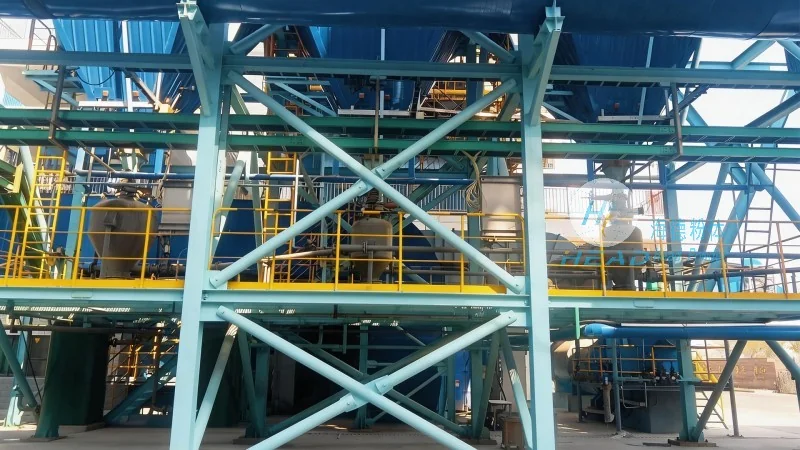
Several established methods are commonly used for aluminum dross transport, each with its own advantages and applications. One primary method is the use of conveyor systems, which can be either belt conveyors or screw conveyors. Belt conveyors are particularly effective for transporting larger volumes of dross over moderate distances, while screw conveyors are ideal for vertical or inclined transport, allowing for the movement of dross between different levels of a facility. These systems are often equipped with specialized components to handle the abrasive and corrosive nature of aluminum dross, ensuring longevity and efficiency.
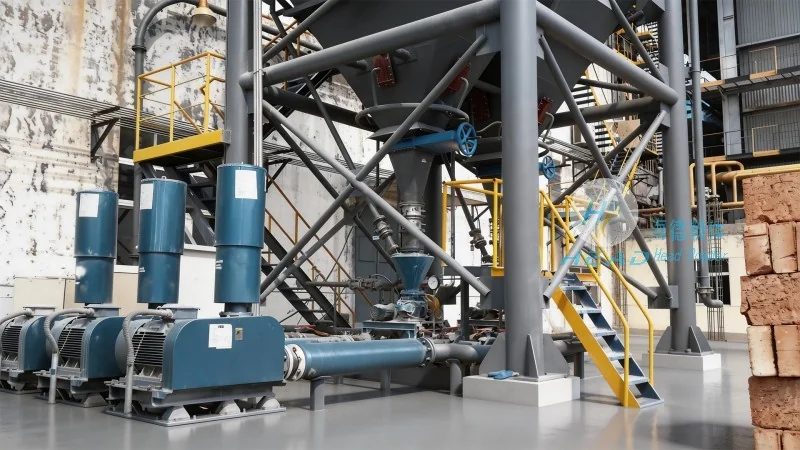
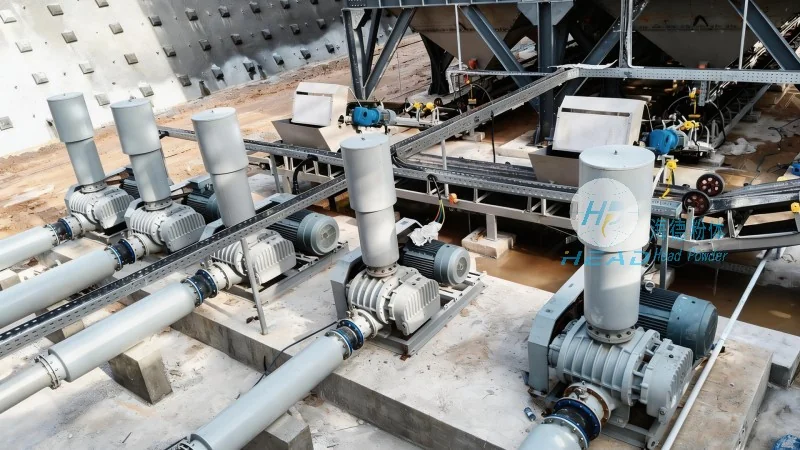
Another widely used method is pneumatic conveying, which utilizes air pressure to move dross through a network of pipes. This technique is especially suitable for transporting dross over longer distances or to different parts of a plant, as it can handle both dry and slightly moist dross. Pneumatic systems are known for their ability to maintain a clean and controlled environment, minimizing dust and contamination during transport. However, they require careful design to ensure adequate air flow and pressure, and may not be suitable for very large or heavy dross particles.
Specialized Equipment for Aluminum Dross Handling
For more complex or high-volume dross transport needs, specialized equipment such as bucket elevators or mobile loading systems may be employed. Bucket elevators are vertical transport devices that use buckets attached to a chain or belt to lift dross from lower to higher levels, making them ideal for vertical transport in aluminum processing plants. Mobile loading systems, on the other hand, are often used for transporting dross from storage containers or trucks to processing facilities, providing flexibility and ease of operation. These specialized systems are designed to handle the unique challenges of aluminum dross, including its tendency to stick to surfaces and its potential to generate dust during handling.
Considerations for Sustainable Aluminum Dross Transport
As the aluminum industry increasingly focuses on sustainability, the transport methods used for aluminum dross are also evolving to minimize environmental impact. This includes reducing energy consumption, minimizing emissions, and optimizing material recovery. For example, some facilities are adopting energy-efficient conveyor systems or using renewable energy sources to power their transport operations. Additionally, the use of closed-loop systems, where dross is transported without exposing it to the open air, helps to reduce dust emissions and improve air quality. These sustainable practices not only benefit the environment but also contribute to the long-term viability of aluminum recycling operations.
Conclusion and Recommendations
Choosing the appropriate aluminum dross transport method is a critical decision for any aluminum processing facility. By considering factors such as volume, distance, environmental regulations, and material properties, companies can select a transport system that maximizes efficiency and sustainability. Whether using traditional conveyor systems, pneumatic conveying, or specialized equipment, the goal is to ensure that aluminum dross is handled safely and effectively, contributing to the overall success of the recycling process. For businesses in the aluminum industry, partnering with experienced suppliers like Shandong HeadPowder Engineering Co., Ltd. can provide access to tailored transport solutions that meet specific operational needs and support long-term sustainability goals.

 Công ty TNHH Kỹ thuật Công trình Bột Hải Đức Sơn Đông
 156-6277-7102(Quản lý Trương)
  0531-83386006
  Quận Chương Khâu, Thành phố Tế Nam, Tỉnh Sơn Đông, Trung Quốc
Điện thoại
WeChatTư vấn
Lên đầu