Công ty Hải Đức Bột với hơn 10 năm kinh nghiệm vận chuyển khí, cung cấp hệ thống‑thiết bị‑quạt gió và nhận dự án tổng thầu bột cả nước
Thermoplastic polyurethane (TPU) is a versatile polymer recognized for its exceptional flexibility, abrasion resistance, and chemical stability. In industrial processing, efficient and reliable conveying of TPU materials is critical for sustaining production efficiency and product quality. This article explores various conveying methods utilized for thermoplastic polyurethane, highlighting key considerations and practical applications.
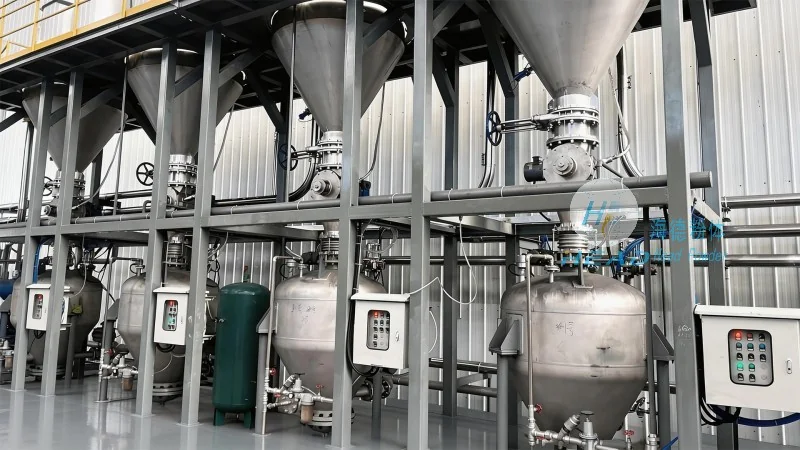
Overview of Thermoplastic Polyurethane Conveying
Before examining specific conveying techniques, it's essential to understand the properties of TPU that influence equipment selection. TPU is typically used in granular or pellet form, requiring systems that can handle soft, flexible materials without causing degradation or damage. The material's density, flow characteristics, and potential for static electricity also impact the choice of conveying technology.
Common Conveying Methods for Thermoplastic Polyurethane
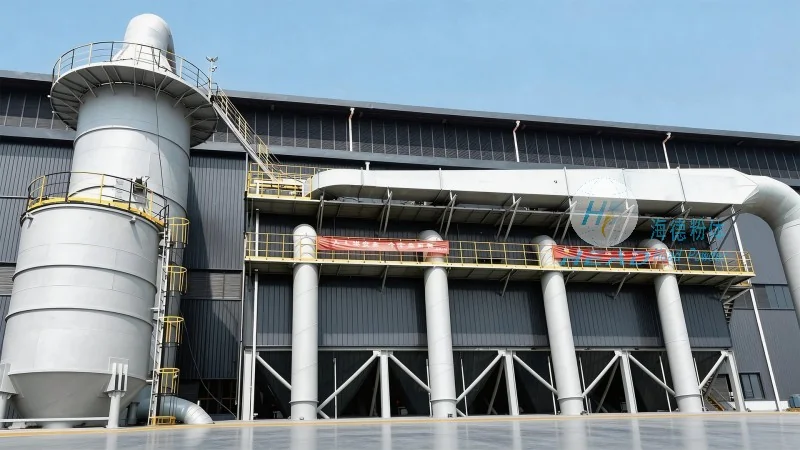
Several conveying methods are commonly employed in TPU processing. The selection depends on factors such as material characteristics, production scale, and specific application requirements. Below are some widely used techniques:
Pneumatic Conveying Systems
Pneumatic conveying, or air conveying, is a popular method for transporting TPU pellets or granules. This system uses air pressure or vacuum to move material through a pipeline. Two main types exist: pressure systems (using compressed air to push material) and vacuum systems (drawing material with negative pressure). Pneumatic conveying excels for fine powders or small pellets, minimizing material degradation and enabling integration with other processing equipment. For TPU, this method is ideal for long-distance or complex system layouts without mechanical contact.
Screw Conveyors (Auger Conveyors)
Screw conveyors, or auger conveyors, are another common option for TPU. These systems feature a rotating screw inside a tube or trough, moving material along the conveyor. Screw conveyors handle bulk materials and can operate horizontally or at inclines. They are effective for free-flowing, moderately dense materials. For TPU, screw conveyors transport pellets from storage bins to processing equipment like extruders or mixers. Screw design (pitch, flight angle) can be optimized to prevent buildup and ensure smooth operation. Some models include heating elements to maintain material temperature, critical for preserving properties during transport.
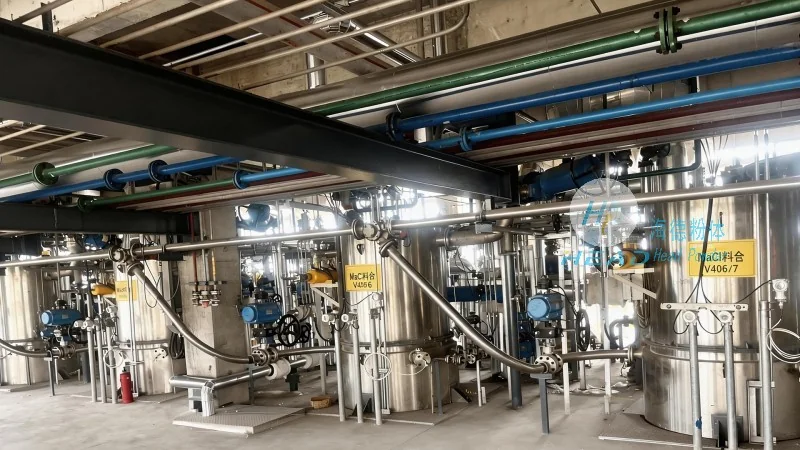
Belt Conveyors
Belt conveyors are widely used for TPU pellet or granular transport. These systems employ a continuous belt moving over rollers or pulleys. Belt conveyors suit horizontal and inclined transport and handle diverse material types. Belt material selection is key—for TPU, a rubber or polyurethane-coated belt prevents sticking and ensures smooth movement. Belt conveyors are used in production lines for long-distance transport or integration with processing equipment. They may include feeders or hoppers to control flow rate and ensure consistent delivery.
Chain Conveyors
Chain conveyors are suitable for heavier or higher bulk-density TPU. These systems use chains with attached buckets or pans to move material. Chain conveyors handle larger volumes and operate at higher speeds. They are often used for vertical or steep-angle transport. For TPU, chain conveyors move pellets from storage hoppers to processing machines, ensuring efficient transfer. Chains are typically metal or plastic, with buckets designed to minimize spillage and maintain consistent flow.
Specialized Conveying Solutions for Thermoplastic Polyurethane
In some cases, standard methods may not suffice for unique TPU characteristics or specific needs. Specialized solutions may be used to ensure optimal performance and material integrity. For example, vibratory conveyors use vibrations to move material along a trough, effective for materials prone to bridging or caking. Temperature control features may also be integrated to maintain material temperature during transport, preserving properties and preventing degradation.
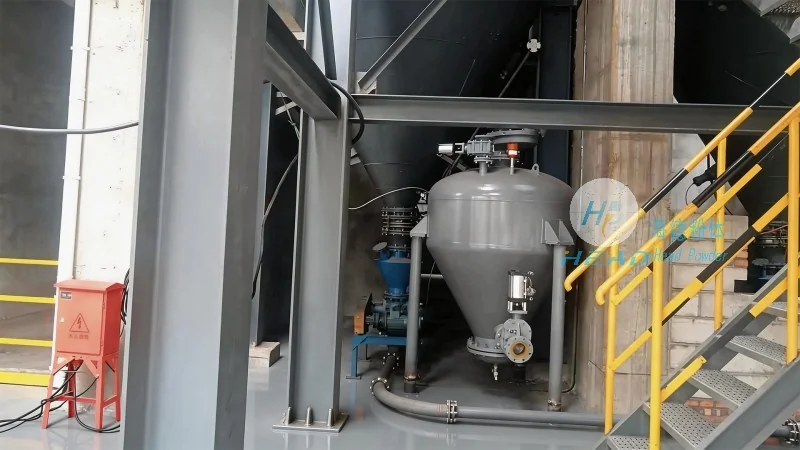
Key Considerations for Conveying Thermoplastic Polyurethane
When selecting a conveying method for TPU, several factors must be evaluated. First, material properties (density, flowability, static electricity) dictate equipment design and modifications (e.g., anti-static measures). Second, production scale and throughput requirements guide system robustness—larger volumes may need high-capacity screw conveyors or pneumatic pipelines. Third, integration with downstream equipment is critical for smooth material transfer and minimizing downtime. Finally, maintenance and operational costs are important; systems that are easy to clean, maintain, and energy-efficient are preferred for long-term operation.
Conclusion
Efficient conveying of thermoplastic polyurethane is essential for maintaining production efficiency and product quality. Various methods—pneumatic, screw, belt, and chain conveyors—offer advantages and limitations. The choice depends on material properties, production scale, and application needs. By carefully evaluating these factors and selecting the appropriate system, manufacturers ensure reliable and cost-effective TPU transport. As a leading engineering solutions provider, Shandong HeadPowder Engineering Co., Ltd. specializes in designing and manufacturing customized conveying systems tailored to TPU processing needs. With a focus on quality and innovation, HeadPowder offers solutions that enhance production efficiency and preserve material integrity throughout the conveying process.

 Công ty TNHH Kỹ thuật Công trình Bột Hải Đức Sơn Đông
 156-6277-7102(Quản lý Trương)
  0531-83386006
  Quận Chương Khâu, Thành phố Tế Nam, Tỉnh Sơn Đông, Trung Quốc
Điện thoại
WeChatTư vấn
Lên đầu