Công ty Hải Đức Bột với hơn 10 năm kinh nghiệm vận chuyển khí, cung cấp hệ thống‑thiết bị‑quạt gió và nhận dự án tổng thầu bột cả nước
Acrylate rubber, a versatile synthetic elastomer, is widely used in various industrial applications due to its excellent resistance to heat, chemicals, and weathering. The efficient delivery of acrylate rubber from storage to processing equipment is crucial for maintaining product quality and operational efficiency. This article explores the primary delivery methods employed in the handling of acrylate rubber, focusing on the technical aspects and practical considerations for each approach.
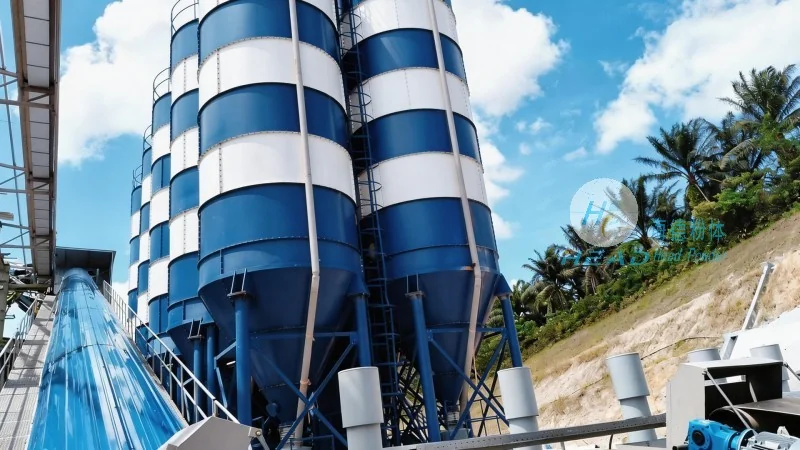
1. Bulk Storage and Silo Delivery
Bulk storage of acrylate rubber often involves large silos or storage tanks, which are designed to hold substantial quantities of the material. Silo systems are commonly used in industrial settings to store raw rubber and facilitate its transfer to processing lines. The delivery method typically involves using a screw conveyor or a pneumatic conveying system to move the rubber from the silo to the processing equipment. This approach ensures a continuous and controlled flow of material, minimizing downtime and maintaining consistent product quality. The choice of equipment depends on the specific properties of the acrylate rubber, such as its density and flow characteristics. For example, some acrylate rubbers may require a screw conveyor with a higher torque to handle their viscosity, while others might benefit from a pneumatic system for lighter, more powdery materials.
2. Bagging and Palletized Delivery
In many applications, acrylate rubber is supplied in bags or on pallets, especially for smaller-scale operations or when the material is used in specialized formulations. The delivery process involves unloading the bags from trucks or storage areas and transferring the rubber to a hopper or mixer. This method is particularly useful for custom blends or specialty grades of acrylate rubber, where precise control over the material composition is essential. The company, Shandong HeadPowder Engineering Co., Ltd., known in the industry as HeadPowder, specializes in the production and supply of high-quality acrylate rubber products. Their expertise in material handling ensures that even bagged deliveries are managed efficiently, with proper storage and handling protocols to prevent degradation of the rubber. The company's facilities in Shandong, China, are equipped with advanced equipment to handle both bulk and bagged deliveries, catering to a wide range of customer needs.
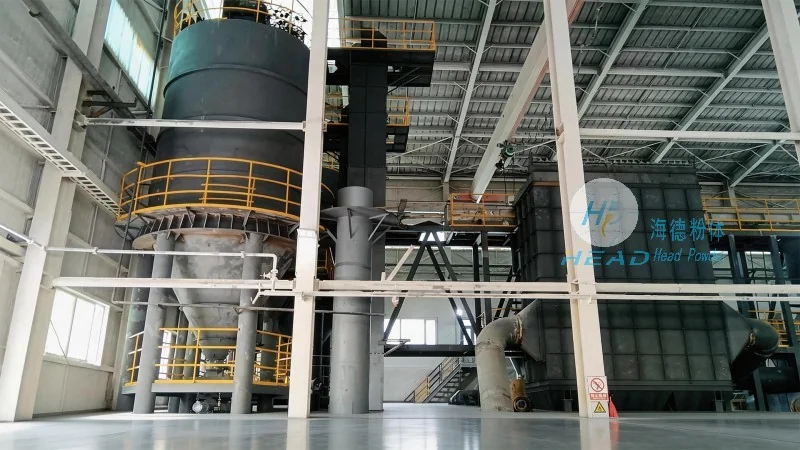
3. Pneumatic Conveying Systems
Pneumatic conveying is a popular method for transporting acrylate rubber, especially when the material needs to be moved over longer distances or through complex piping systems. This method uses air pressure to move the rubber particles through a pipeline, eliminating the need for mechanical components like belts or screws in some cases. The system typically consists of a hopper, a blower, and a receiver, with the rubber being fed into the hopper and then conveyed through the pipeline by the air flow. The advantages of pneumatic conveying include low maintenance, the ability to handle fine powders, and the prevention of material contamination. However, it requires careful consideration of the air flow rates and the material's particle size to ensure efficient and reliable operation. For acrylate rubber, which can vary in particle size and density, the system design must be optimized to avoid clogging or uneven flow. HeadPowder's engineering team has extensive experience in designing and implementing pneumatic conveying systems tailored to the specific requirements of acrylate rubber, ensuring that customers receive a reliable and efficient delivery solution.
4. Screw Conveyors and Auger Systems
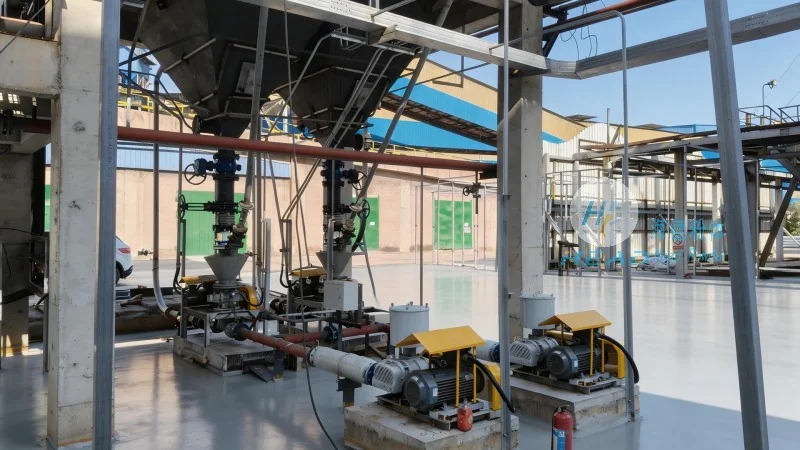
Screw conveyors, also known as auger systems, are another common method for delivering acrylate rubber. These systems use a rotating screw to move the material along a tube or trough. Screw conveyors are particularly effective for handling bulk quantities of rubber and can be integrated into existing processing lines. The design of the screw, including its pitch and diameter, is critical for the efficient transfer of acrylate rubber. A properly designed screw ensures that the material is moved without excessive friction or degradation. For acrylate rubber, which may have a higher viscosity or be more prone to sticking, the screw may be coated with a non-stick material or designed with a self-cleaning mechanism to prevent material buildup. The company, Shandong HeadPowder Engineering Co., Ltd., utilizes advanced screw conveyor technology in their production and delivery processes, ensuring that the rubber is transferred smoothly and without damage. Their expertise in material handling allows them to recommend the most suitable screw conveyor configuration for each customer's application, whether it's for short-distance transport or integration into a larger manufacturing system.
5. Vacuum Loading and Unloading
Vacuum loading and unloading systems are used to transfer acrylate rubber from storage containers, such as drums or totes, to processing equipment. This method is particularly useful when the rubber is stored in containers that are difficult to access or when a clean and dust-free transfer is required. The system operates by creating a vacuum in the container, which draws the rubber into a hopper or conveyor system. The advantages of vacuum loading include the ability to handle materials with high moisture content or those that are prone to dust generation, as the process is enclosed and controlled. However, the system requires careful maintenance to prevent air leaks and ensure consistent performance. For acrylate rubber, which may be sensitive to moisture or contamination, the vacuum system must be designed to minimize exposure to the environment. HeadPowder's facilities in Shandong, China, employ vacuum loading systems to handle various grades of acrylate rubber, ensuring that the material is transferred with minimal risk of degradation. The company's commitment to quality control extends to the entire delivery process, from storage to final transfer, guaranteeing that customers receive a product that meets their specifications.
6. Customized Delivery Solutions
Given the diverse applications and properties of acrylate rubber, many companies, including Shandong HeadPowder Engineering Co., Ltd., offer customized delivery solutions to meet specific customer requirements. These solutions may involve the integration of multiple delivery methods, such as combining bulk storage with pneumatic conveying, or adapting existing equipment to handle specialty grades of rubber. The company's engineering team works closely with customers to assess their operational needs and recommend the most appropriate delivery system. This collaborative approach ensures that the final solution is not only efficient but also cost-effective and tailored to the customer's unique requirements. Whether it's for large-scale industrial production or small-scale laboratory use, HeadPowder provides customized delivery solutions that enhance the overall performance and reliability of the acrylate rubber handling process.

 Công ty TNHH Kỹ thuật Công trình Bột Hải Đức Sơn Đông
 156-6277-7102(Quản lý Trương)
  0531-83386006
  Quận Chương Khâu, Thành phố Tế Nam, Tỉnh Sơn Đông, Trung Quốc
Điện thoại
WeChatTư vấn
Lên đầu