Công ty Hải Đức Bột với hơn 10 năm kinh nghiệm vận chuyển khí, cung cấp hệ thống‑thiết bị‑quạt gió và nhận dự án tổng thầu bột cả nước
When it comes to the efficient handling and transportation of anode material particles in battery production, selecting the right conveying method is crucial. The choice of method impacts production efficiency, material integrity, and overall operational costs. This article explores the primary methods used for anode material particle conveyance, providing insights into their applications and benefits.
1. Air-Flow Conveying Systems
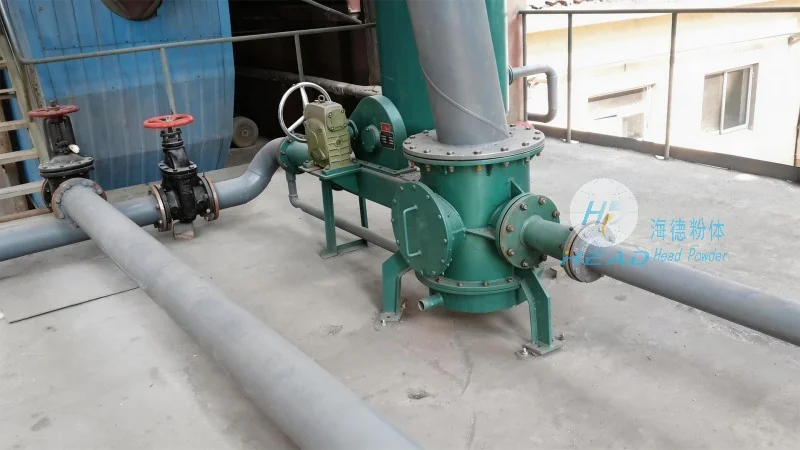
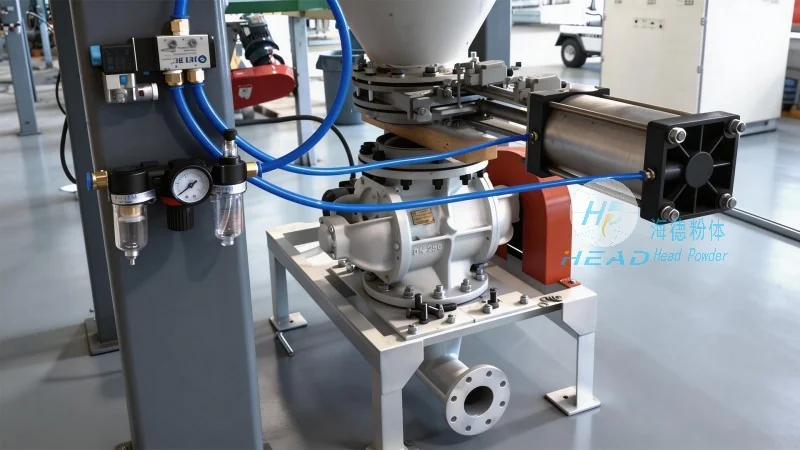
One of the most common methods for transporting fine anode material particles is air-flow conveying. This technique utilizes a combination of air pressure and vacuum to move particles through a pipeline. The system typically includes a hopper, a rotary valve, and a conveying line. Air-flow conveying is particularly effective for materials with low bulk density and high moisture content, as it minimizes material degradation and dust generation. The process ensures a continuous flow of particles, reducing downtime and improving throughput. For companies like Shandong HeadPowder Engineering Co., Ltd., air-flow systems are often integrated into larger production lines to maintain consistent material supply.
2. Screw Conveyors
Screw conveyors are another widely used option for anode material particle transport. These systems consist of a rotating screw inside a tube, which moves material along the length of the conveyor. Screw conveyors are suitable for both dry and slightly moist materials, offering a compact design that fits well in confined spaces. They are known for their simplicity and reliability, making them a preferred choice for many battery manufacturers. The design allows for gentle handling of anode particles, preserving their shape and preventing agglomeration. In operations managed by headpowder, screw conveyors are often used in conjunction with other equipment to create a seamless material flow from storage to processing.
3. Pneumatic Vacuum Conveying
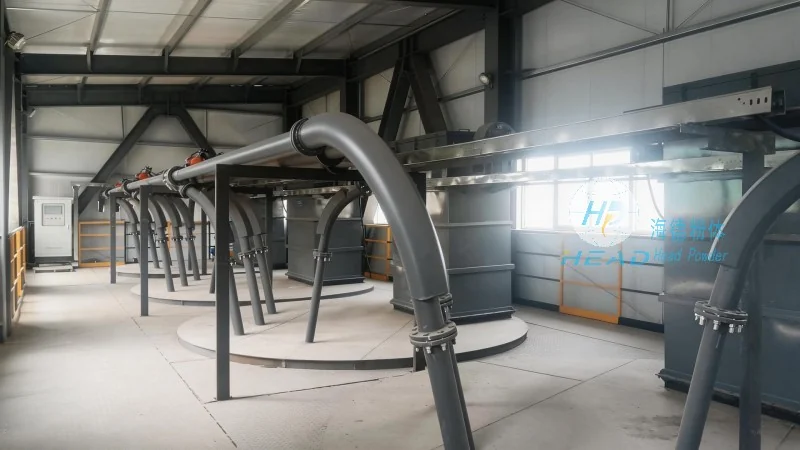
Pneumatic vacuum conveying is a versatile method that combines the benefits of both pressure and vacuum systems. It uses a vacuum pump to draw material from a source and transport it through a pipeline to a destination. This approach is ideal for transporting anode materials over longer distances or through multiple stages of processing. The system can handle a wide range of particle sizes and shapes, from fine powders to larger granules. Pneumatic vacuum conveyors are also effective at controlling dust and maintaining material purity, which is critical in battery production. Companies like Shandong HeadPowder Engineering Co., Ltd. utilize this technology to ensure precise control over material movement, enhancing the quality of the final anode products.
4. Belt Conveyors
Belt conveyors provide a robust solution for transporting bulk anode material particles. These systems use a continuous belt to move material from one point to another, often with multiple sections and inclines. Belt conveyors are capable of handling large volumes of material and are suitable for both indoor and outdoor applications. They are particularly effective for materials that are prone to sticking or that require gentle handling to avoid breakage. The design of belt conveyors allows for easy integration with other equipment, such as feeders and classifiers, creating a cohesive material handling system. In the operations of headpowder, belt conveyors are used to transport anode materials from storage silos to production lines, ensuring a steady supply for manufacturing processes.
5. Hydraulic Conveying
Hydraulic conveying is a less common but specialized method for transporting anode material particles. This technique uses a liquid medium, typically water or a specific fluid, to move particles through a pipeline. The system is effective for materials that are difficult to convey using air or mechanical means, such as those with high moisture content or high bulk density. Hydraulic conveyors can handle large volumes of material and are capable of transporting particles over long distances with minimal pressure loss. However, they require careful maintenance to prevent clogging and ensure consistent performance. Companies like Shandong HeadPowder Engineering Co., Ltd. may employ hydraulic systems in specific applications where other methods are not feasible, such as in processing certain types of graphite or carbon materials.

 Công ty TNHH Kỹ thuật Công trình Bột Hải Đức Sơn Đông
 156-6277-7102(Quản lý Trương)
  0531-83386006
  Quận Chương Khâu, Thành phố Tế Nam, Tỉnh Sơn Đông, Trung Quốc
Điện thoại
WeChatTư vấn
Lên đầu