Công ty Hải Đức Bột với hơn 10 năm kinh nghiệm vận chuyển khí, cung cấp hệ thống‑thiết bị‑quạt gió và nhận dự án tổng thầu bột cả nước
Desulfurization and denitrification agents are critical components in industrial processes aimed at reducing sulfur dioxide (SO₂) and nitrogen oxides (NOₓ) emissions. The efficient delivery of these agents is essential for maintaining optimal performance in flue gas treatment systems. Various delivery methods are employed across industries, each with distinct characteristics that influence operational efficiency, safety, and cost-effectiveness. This article provides a comparative analysis of common delivery methods used for desulfurization and denitrification agents, highlighting the advantages and considerations for each approach.
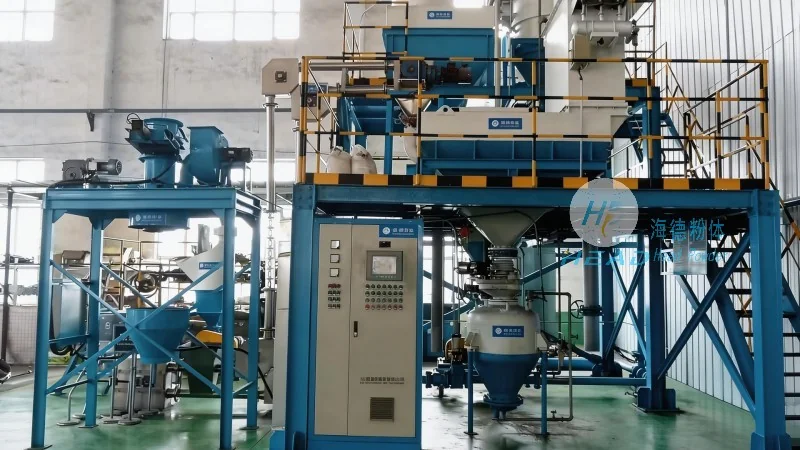
1. Pump-Based Delivery Systems
Pump-based systems are widely used for transporting desulfurization and denitrification agents due to their versatility and ability to handle viscous or high-density liquids. These systems typically consist of a pump (such as a centrifugal or positive displacement pump) connected to a piping network that delivers the agent to the treatment equipment. The choice of pump type depends on the agent's properties, including viscosity, corrosiveness, and the required flow rate. For example, centrifugal pumps are suitable for low to medium viscosity agents with moderate flow rates, while positive displacement pumps (e.g., gear or piston pumps) are preferred for high-viscosity or shear-sensitive agents where precise control of flow is necessary. The pump system often includes pressure regulators, valves, and flow meters to ensure consistent delivery and prevent over-pressurization. One key advantage of pump-based delivery is its ability to maintain a steady flow rate, which is crucial for maintaining the chemical reaction rates in flue gas treatment processes. However, these systems require regular maintenance to prevent wear and tear, and the risk of leaks or equipment failure can impact operational safety. Additionally, the initial investment and energy consumption for pump systems can be higher compared to other delivery methods, especially for large-scale applications.
2. Pneumatic Conveying Systems
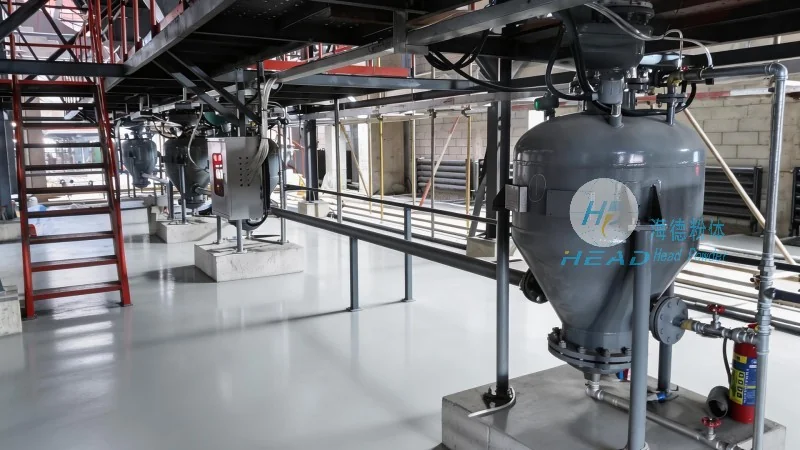
Pneumatic conveying systems utilize compressed air or other gases to transport desulfurization and denitrification agents as a slurry or dry powder. This method is particularly effective for dry agents that are difficult to handle with traditional liquid pumps. The system typically includes a hopper, a feeder, and a pipeline with an air supply. The agent is fed into the pipeline, and the compressed air propels it to the treatment equipment. Pneumatic conveying offers several benefits, including the ability to transport agents over long distances without the need for large storage tanks or pumps. It also reduces the risk of corrosion and leakage compared to liquid systems, as the agent remains in a dry or semi-dry state. However, the efficiency of pneumatic conveying depends on the particle size and density of the agent, as well as the air pressure and flow rate. Fine powders may require higher air velocities to prevent clogging, which can increase energy consumption. Another consideration is the potential for dust generation during transport, which may necessitate additional dust control measures. Pneumatic systems are often preferred for applications where the agent is stored in bulk and needs to be transported over moderate distances, such as in power plants or industrial facilities with extensive piping networks.
3. Pressure Vessel and Tank Delivery
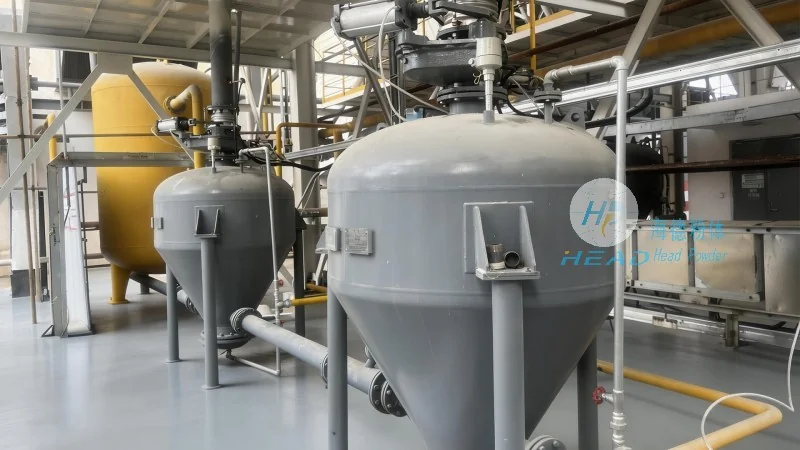
Pressure vessels and storage tanks are commonly used to store desulfurization and denitrification agents before delivery. These vessels are designed to handle the specific properties of the agents, including their corrosiveness and viscosity. The storage tanks are typically made of materials such as stainless steel or lined carbon steel to prevent chemical reactions with the agent. The delivery process involves connecting the storage tank to the treatment equipment via a piping system, often with a pump or a gravity-fed system. Pressure vessels allow for the storage of agents under pressure, which can help maintain a consistent flow rate and reduce the need for frequent refilling. This method is particularly useful for agents that are stored in bulk quantities and require a steady supply to the treatment system. One advantage of using pressure vessels is the ability to store agents at elevated pressures, which can reduce the size of the delivery system and improve efficiency. However, pressure vessels require regular inspection and maintenance to ensure safety, as over-pressurization can lead to equipment failure. The initial cost of pressure vessels and the associated piping infrastructure can also be significant, especially for large-scale applications. Additionally, the risk of leaks or spills from the storage tanks can pose environmental and safety hazards, necessitating proper containment and monitoring systems.
4. Comparison of Delivery Methods
When selecting a delivery method for desulfurization and denitrification agents, several factors must be considered, including the agent's properties, the distance to the treatment equipment, the required flow rate, and the operational environment. Pump-based systems are generally suitable for liquid agents with moderate to high flow rates and are widely used in industrial settings. Pneumatic conveying is preferred for dry agents or when long-distance transport is required without the need for pumps. Pressure vessel and tank delivery is ideal for bulk storage and steady supply, but requires careful safety and maintenance considerations. Each method has its advantages and limitations, and the choice should be based on a thorough evaluation of the specific application requirements. For example, a power plant with a large-scale flue gas treatment system may opt for a combination of pump-based and pressure vessel delivery to ensure efficient and reliable operation. In contrast, a smaller industrial facility might choose pneumatic conveying for its simplicity and lower maintenance needs. Ultimately, the goal is to select a delivery method that maximizes operational efficiency, minimizes downtime, and ensures compliance with environmental regulations.
5. Conclusion and Recommendations
Efficient delivery of desulfurization and denitrification agents is a critical aspect of flue gas treatment systems, directly impacting the effectiveness of emission control. The comparison of common delivery methods—pump-based, pneumatic conveying, and pressure vessel/tank systems—highlights the importance of matching the delivery method to the specific properties and requirements of the agent and the application. Pump-based systems offer versatility and precise control, while pneumatic conveying is suitable for dry agents and long-distance transport. Pressure vessel delivery ensures steady supply from bulk storage. Each method has trade-offs in terms of cost, maintenance, and safety. For optimal performance, it is recommended to conduct a thorough analysis of the agent's characteristics, the system's operational needs, and the environmental and safety regulations. Consulting with industry experts and using reliable equipment from reputable suppliers, such as Shandong HeadPowder Engineering Co., Ltd., can help ensure the selection of an appropriate delivery system that meets both performance and compliance requirements. By choosing the right delivery method, industrial facilities can enhance the efficiency of their flue gas treatment processes, reduce emissions, and contribute to environmental sustainability.

 Công ty TNHH Kỹ thuật Công trình Bột Hải Đức Sơn Đông
 156-6277-7102(Quản lý Trương)
  0531-83386006
  Quận Chương Khâu, Thành phố Tế Nam, Tỉnh Sơn Đông, Trung Quốc
Điện thoại
WeChatTư vấn
Lên đầu