Công ty Hải Đức Bột với hơn 10 năm kinh nghiệm vận chuyển khí, cung cấp hệ thống‑thiết bị‑quạt gió và nhận dự án tổng thầu bột cả nước
Vinyl ester resins are widely used in various industrial applications due to their excellent chemical resistance, mechanical strength, and durability. The efficient and reliable delivery of these resins is crucial for ensuring consistent performance in manufacturing processes. This article provides a detailed comparison of common vinyl ester resin delivery methods, focusing on their characteristics, advantages, and practical applications. The information is presented by Shandong HeadPowder Engineering Co., Ltd., a leading manufacturer based in China.
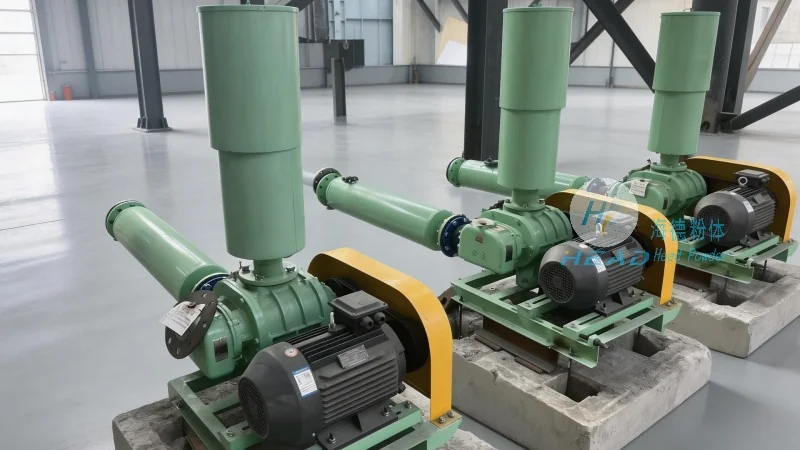
1. Pumping Systems: The Most Common Delivery Method
Pumping systems are the most prevalent method for transporting vinyl ester resins. These systems typically include a resin pump, a catalyst pump (if a separate catalyst is used), and a mixing unit. The resin pump, often a positive displacement type such as a gear pump or a diaphragm pump, ensures a steady flow rate and pressure control. The catalyst pump, usually a smaller pump, delivers the catalyst at a precise ratio to the resin. The mixing unit combines the resin and catalyst to form the final mixture, which is then sent to the application point. This method offers high accuracy in proportioning and mixing, making it suitable for large-scale production and complex applications. The advantages of pumping systems include consistent flow rates, easy integration with automated production lines, and the ability to handle different resin viscosities. However, they require regular maintenance to prevent clogging and ensure optimal performance. The equipment is generally more expensive upfront compared to other methods, but the long-term reliability and efficiency justify the investment.
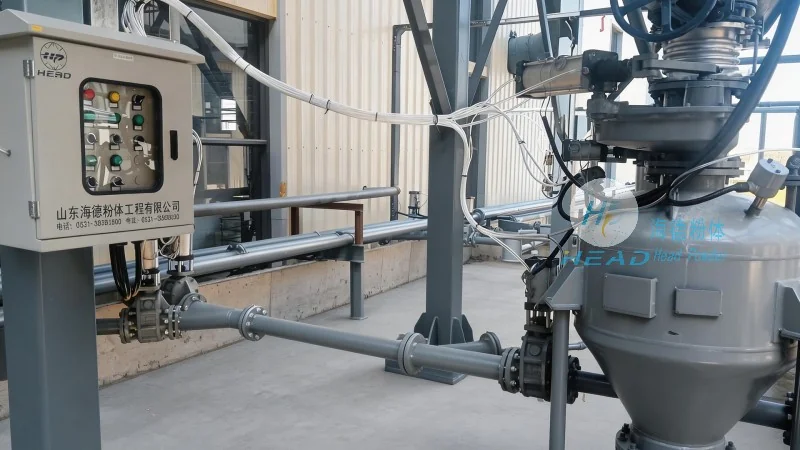
2. Gravity Feed Systems: Simple and Cost-Effective
Gravity feed systems are a simpler alternative to pumping systems, particularly for smaller-scale operations or applications where the resin is stored at a higher elevation. In this method, the resin is stored in a tank or container placed above the application point, and the resin flows down due to gravity. A catalyst is usually added directly to the resin tank or in a separate container and mixed before the resin is drawn out. The main advantage of gravity feed systems is their low cost and minimal maintenance requirements. They are ideal for applications with low flow rates and where the resin viscosity is not too high. However, this method is limited by the height difference between the storage tank and the application point, which affects the flow rate. It also requires careful monitoring to ensure that the resin level in the tank does not drop below the pump intake, preventing air entrainment. Gravity feed systems are less suitable for large-scale or high-viscosity resins due to the potential for uneven mixing and inconsistent flow rates.
3. Pressure Tank Systems: Portable and Versatile
Pressure tank systems are commonly used for portable applications, such as field repairs or small-scale projects. These systems consist of a pressure tank filled with the vinyl ester resin and catalyst, connected to a dispensing gun or nozzle. The tank is pressurized using a hand pump or an electric pump, which forces the resin out through the nozzle. This method allows for easy transportation and on-site application without the need for complex infrastructure. The pressure tank system is particularly useful for applications where the resin needs to be applied in hard-to-reach areas or under pressure. The advantages include portability, quick setup, and the ability to apply resin under pressure, which can improve adhesion and penetration. However, the pressure tank has a limited capacity, and the resin may degrade over time if not used within a certain period. The system also requires regular checks to ensure that the pressure is maintained and that the tank is not leaking. Pressure tank systems are generally less suitable for large-scale production due to their limited output and the need for frequent refills.
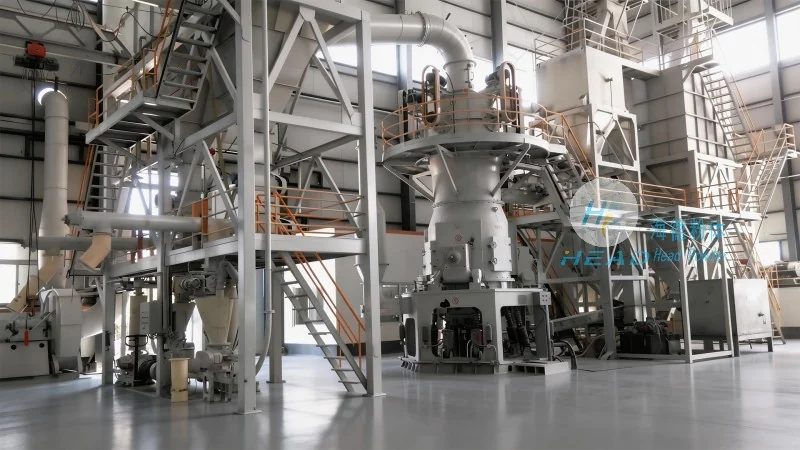
4. Bulk Storage and Transfer: For Large-Scale Operations
For large-scale industrial operations, bulk storage and transfer systems are essential for efficient resin handling. These systems involve storing the vinyl ester resin in large tanks or containers, often with a dedicated pumping system for transfer. The resin is then transferred to intermediate storage tanks or directly to the mixing and application equipment. Bulk storage systems are designed to handle high volumes of resin, reducing the need for frequent deliveries and minimizing material handling costs. They often include automated level sensors and flow meters to monitor the resin levels and flow rates. The advantages of bulk storage systems include high capacity, reduced labor costs, and improved safety due to centralized storage. However, they require significant capital investment and specialized infrastructure, including storage tanks, piping, and pumping equipment. The systems also need regular maintenance to prevent contamination and ensure that the resin remains in optimal condition. Bulk storage is particularly beneficial for continuous production processes where a consistent supply of resin is required.
5. Comparison and Selection Guidelines
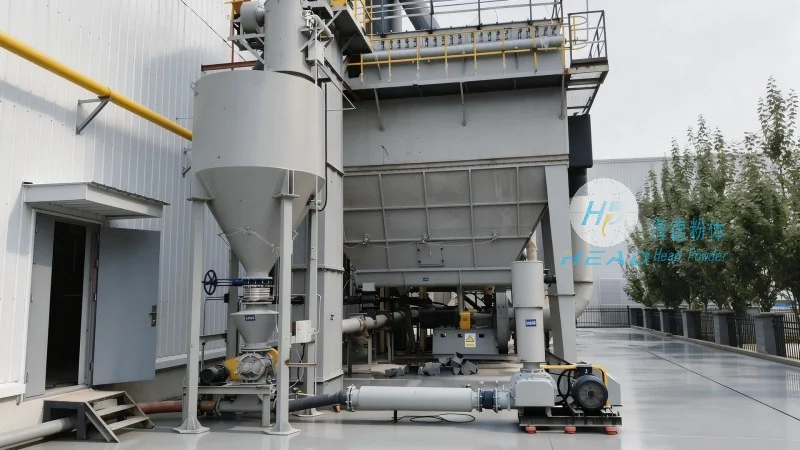
When selecting a vinyl ester resin delivery method, several factors should be considered, including the application scale, resin viscosity, required flow rate, and budget. Pumping systems are generally recommended for large-scale, high-viscosity applications where precision and reliability are critical. Gravity feed systems are suitable for small-scale or low-viscosity applications where cost and simplicity are priorities. Pressure tank systems are ideal for portable or on-site applications requiring flexibility and ease of use. Bulk storage systems are best for large-scale industrial operations that demand high capacity and consistent supply. It is also important to consider the resin's properties, such as its shelf life and sensitivity to temperature, as these can affect the choice of delivery method. For example, resins with a shorter shelf life may require more frequent use, making pumping or pressure tank systems more appropriate. Ultimately, the choice of delivery method should align with the specific requirements of the application to ensure optimal performance and cost-effectiveness.

 Công ty TNHH Kỹ thuật Công trình Bột Hải Đức Sơn Đông
 156-6277-7102(Quản lý Trương)
  0531-83386006
  Quận Chương Khâu, Thành phố Tế Nam, Tỉnh Sơn Đông, Trung Quốc
Điện thoại
WeChatTư vấn
Lên đầu