Công ty Hải Đức Bột với hơn 10 năm kinh nghiệm vận chuyển khí, cung cấp hệ thống‑thiết bị‑quạt gió và nhận dự án tổng thầu bột cả nước
Efficient and reliable cement particle pneumatic conveying systems are crucial for modern industrial operations, ensuring seamless material transport from storage to processing units. Designing such a system requires a comprehensive approach that considers various factors including material properties, system capacity, and operational environment. This article will guide you through the key considerations and steps to design a well-structured cement particle pneumatic conveying system, with a focus on practical solutions and expert insights from Shandong HeadPowder Engineering Co., Ltd.
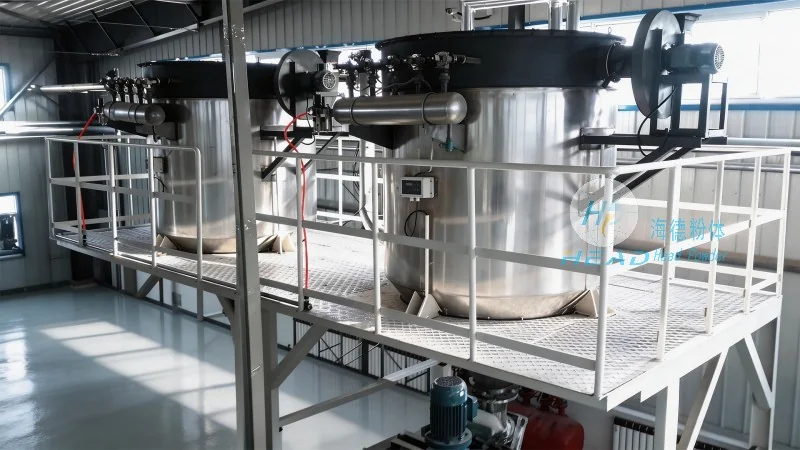
Understanding the Core Principles of Cement Particle Pneumatic Conveying
Before diving into the design process, it's essential to grasp the fundamental principles of pneumatic conveying. This technology utilizes air or gas to transport bulk materials like cement particles through a pipeline system. The system typically consists of a material feed hopper, a conveyor line, a control unit, and a discharge point. The effectiveness of the system depends on the balance between air velocity, material flow rate, and pipeline design. Proper understanding of these principles helps in avoiding common pitfalls such as blockages, pressure drops, and material degradation.
Key Factors to Consider in System Design
Several critical factors must be evaluated when designing a cement particle pneumatic conveying system. First, the physical properties of the cement particles, including size, density, and moisture content, significantly impact the system's performance. Larger or more abrasive particles may require higher air velocities and more robust equipment to prevent wear and tear. Second, the required system capacity, measured in terms of tonnage per hour, dictates the size of the conveyor line and the power of the air compressor. Third, the distance and layout of the conveying route influence the choice between positive and negative pressure systems. Positive pressure systems are suitable for short distances and horizontal/vertical lifts, while negative pressure systems are ideal for long-distance or dusty environments.
System Components and Their Functions
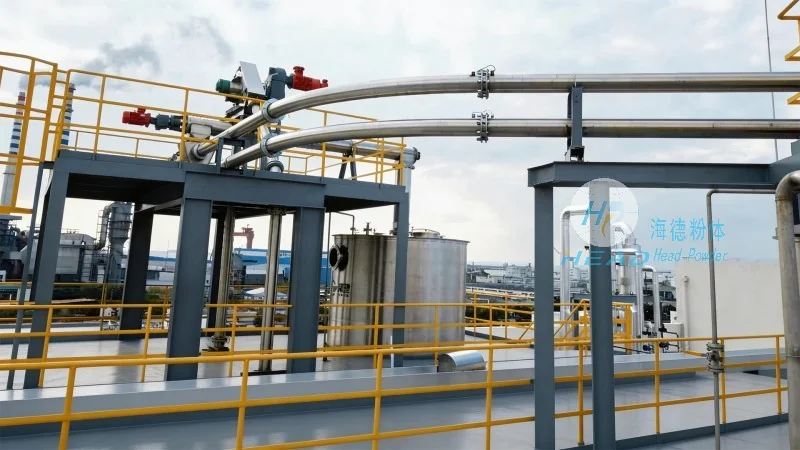
A cement particle pneumatic conveying system comprises several key components, each playing a vital role in the overall operation. The material feed hopper is responsible for storing and feeding the cement particles into the system. It often includes a feeder mechanism, such as a rotary valve or a screw feeder, to control the flow rate. The conveyor line, typically made of stainless steel or other corrosion-resistant materials, transports the particles through the system. The air compressor or blower generates the necessary air pressure to move the material. The control unit monitors and regulates the system's performance, ensuring stable operation. Finally, the discharge point, such as a silo or a processing unit, receives the conveyed cement particles.
Design Steps for a Cement Particle Pneumatic Conveying System
Designing a cement particle pneumatic conveying system involves a systematic approach. The first step is to define the system requirements, including the material characteristics, capacity, and layout. Next, perform a material flow analysis to determine the appropriate air velocity and pressure. This involves calculating the required air volume and pressure based on the material's properties and the system's length. The third step is to select the appropriate system type, considering the distance and layout. Positive pressure systems are commonly used for short to medium distances, while negative pressure systems are suitable for longer distances or when dust control is a priority. The fourth step is to design the pipeline layout, ensuring smooth transitions and avoiding sharp bends that could cause blockages. Finally, perform a pressure drop analysis to verify that the system can operate efficiently without excessive energy consumption.
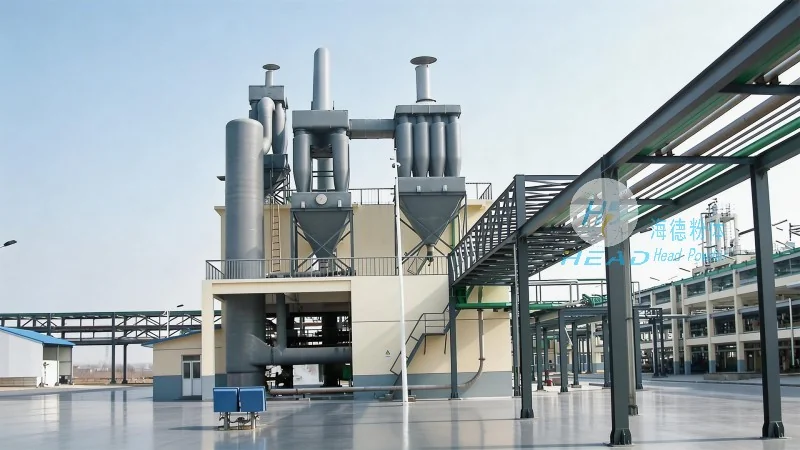
Case Study: Successful Implementation by Shandong HeadPowder Engineering Co., Ltd.
Shandong HeadPowder Engineering Co., Ltd., a leading provider of pneumatic conveying solutions, has successfully designed and implemented numerous cement particle pneumatic conveying systems for clients across various industries. One notable project involved a large cement plant in China, where the company designed a positive pressure system to transport cement from storage silos to a processing facility over a distance of 200 meters. The system was designed to handle 50 tons per hour of cement particles with a maximum particle size of 5 mm. The system's design included a stainless steel conveyor line with a diameter of 200 mm, a high-efficiency air compressor with a capacity of 100 m³/min, and a control unit that monitored pressure and flow rates in real-time. The implementation resulted in a significant reduction in labor costs and material handling time, while maintaining high material quality and low dust emissions.
Conclusion and Recommendations
Designing a reasonable cement particle pneumatic conveying system requires careful consideration of material properties, system capacity, and operational requirements. By following a systematic approach and leveraging expert knowledge, such as that provided by Shandong HeadPowder Engineering Co., Ltd., industrial facilities can achieve efficient, reliable, and cost-effective material transport. It is recommended to conduct thorough material analysis and system simulations before finalizing the design to ensure optimal performance and longevity of the system. With the right design and implementation, cement particle pneumatic conveying systems can significantly enhance operational efficiency and reduce maintenance costs in cement processing plants.

 Công ty TNHH Kỹ thuật Công trình Bột Hải Đức Sơn Đông
 156-6277-7102(Quản lý Trương)
  0531-83386006
  Quận Chương Khâu, Thành phố Tế Nam, Tỉnh Sơn Đông, Trung Quốc
Điện thoại
WeChatTư vấn
Lên đầu