Công ty Hải Đức Bột với hơn 10 năm kinh nghiệm vận chuyển khí, cung cấp hệ thống‑thiết bị‑quạt gió và nhận dự án tổng thầu bột cả nước
When it comes to transporting mineral particles through pneumatic systems, the design process requires careful consideration of several key factors to ensure optimal performance, reliability, and cost-effectiveness. A well-designed system not only enhances operational efficiency but also minimizes maintenance requirements and reduces downtime. In this context, understanding the fundamental principles and best practices for system design is crucial for achieving successful outcomes.
Key Considerations in System Design
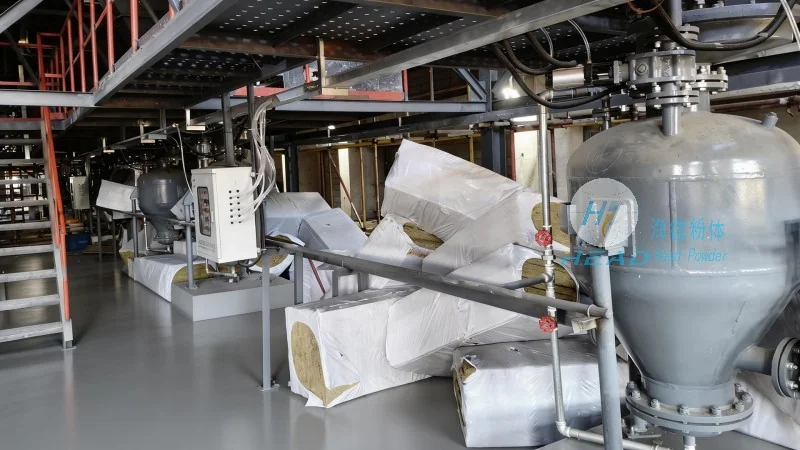
Several critical aspects must be addressed during the design phase of a mineral particle pneumatic conveying system. First, the type of mineral particles—such as size, shape, density, and moisture content—significantly impacts the selection of conveying equipment and system configuration. For instance, fine powders may require high-pressure or vacuum systems to prevent clogging, while larger, bulkier particles might benefit from low-pressure or dense-phase conveying methods. Additionally, the distance and elevation changes between the source and destination points influence the choice of air flow rate, pressure, and pipeline diameter. Properly assessing these variables ensures that the system operates within its optimal range, avoiding excessive energy consumption or insufficient conveying capacity.
System Components and Their Roles
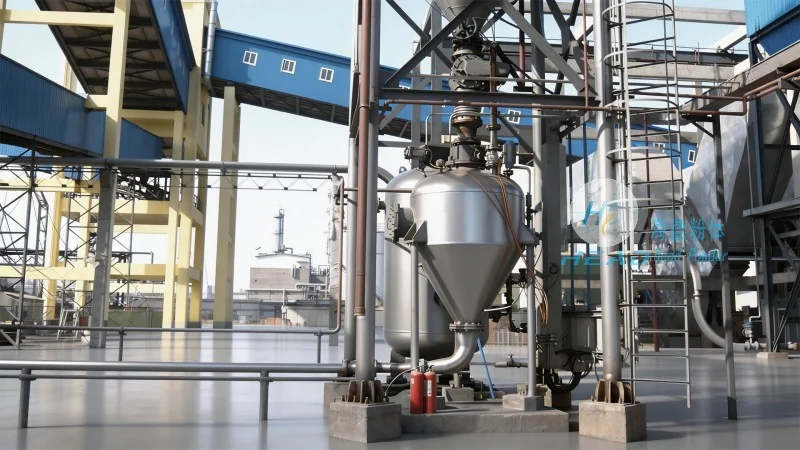
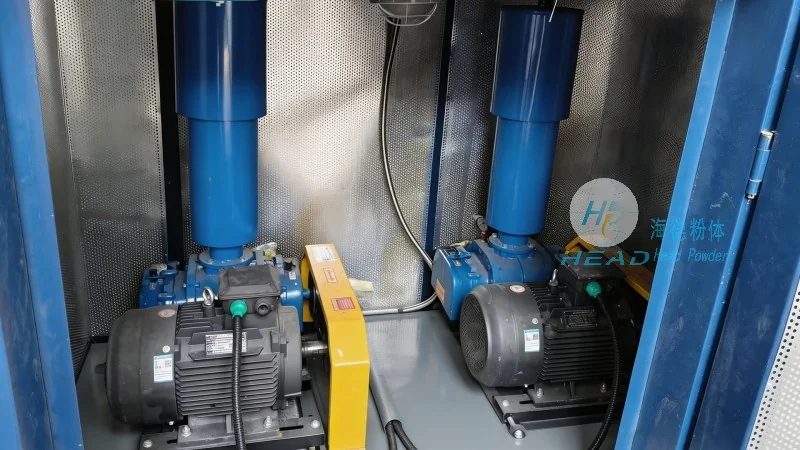
The core components of a pneumatic conveying system include the material feed hopper, air supply unit (blower or compressor), conveying pipeline, and discharge equipment. Each component plays a vital role in the overall functionality of the system. The feed hopper is responsible for storing and feeding the mineral particles into the system, ensuring a consistent flow rate. The air supply unit generates the necessary pressure or vacuum to move the particles through the pipeline. The conveying pipeline, typically made of stainless steel or other corrosion-resistant materials, must be designed to withstand the pressure and temperature conditions of the system. Finally, the discharge equipment, such as a rotary valve or cyclone separator, collects the conveyed particles at the destination point. Proper integration of these components is essential for smooth operation and to prevent material buildup or blockages.
Material Handling and Process Integration
Integrating the pneumatic conveying system with the overall production process is another critical aspect of design. The system must be compatible with existing equipment and workflows to avoid disruptions. For example, the feed hopper should be sized to match the production rate of the upstream process, and the discharge point should align with downstream processing steps. Additionally, considerations such as dust control and environmental compliance are important, as mineral particles can generate dust during handling. Implementing appropriate dust collection systems and ensuring proper ventilation can enhance safety and regulatory compliance. By carefully integrating the system into the production process, manufacturers can achieve seamless material flow and improve overall operational efficiency.
Performance Optimization and Maintenance
Once the system is installed, ongoing performance optimization and regular maintenance are essential to ensure long-term reliability. Monitoring key parameters such as air pressure, flow rate, and particle velocity helps identify any deviations from the design specifications. Regular cleaning of the pipeline and components prevents clogging and reduces the risk of system failure. Additionally, using high-quality materials and components from reputable manufacturers, such as Shandong HeadPowder Engineering Co., Ltd., can enhance the system's durability and reduce maintenance costs over time. By implementing a proactive maintenance schedule and utilizing reliable equipment, operators can maximize the system's lifespan and maintain consistent performance.
Conclusion
Designing a reasonable mineral particle pneumatic conveying system requires a comprehensive approach that considers the specific characteristics of the mineral particles, operational requirements, and integration with the production process. By addressing key design considerations, selecting appropriate components, and implementing proper maintenance practices, manufacturers can achieve efficient and reliable material handling. Shandong HeadPowder Engineering Co., Ltd., with its expertise in pneumatic conveying systems, offers tailored solutions to meet the unique needs of various industries, ensuring optimal performance and cost-effectiveness. Whether for bulk mineral transport or fine powder handling, a well-designed system can significantly improve operational efficiency and contribute to overall business success.

 Công ty TNHH Kỹ thuật Công trình Bột Hải Đức Sơn Đông
 156-6277-7102(Quản lý Trương)
  0531-83386006
  Quận Chương Khâu, Thành phố Tế Nam, Tỉnh Sơn Đông, Trung Quốc
Điện thoại
WeChatTư vấn
Lên đầu