Công ty Hải Đức Bột với hơn 10 năm kinh nghiệm vận chuyển khí, cung cấp hệ thống‑thiết bị‑quạt gió và nhận dự án tổng thầu bột cả nước
When it comes to the efficient handling and transportation of biomass powders, selecting the right conveying method is crucial for optimizing operational performance and ensuring product integrity. Biomass powders, derived from organic materials like wood chips, agricultural residues, or other renewable sources, present unique challenges during transport due to their fine particle size, variable moisture content, and potential for dust generation. The choice of conveying system directly impacts process efficiency, energy consumption, and overall safety in industrial applications.
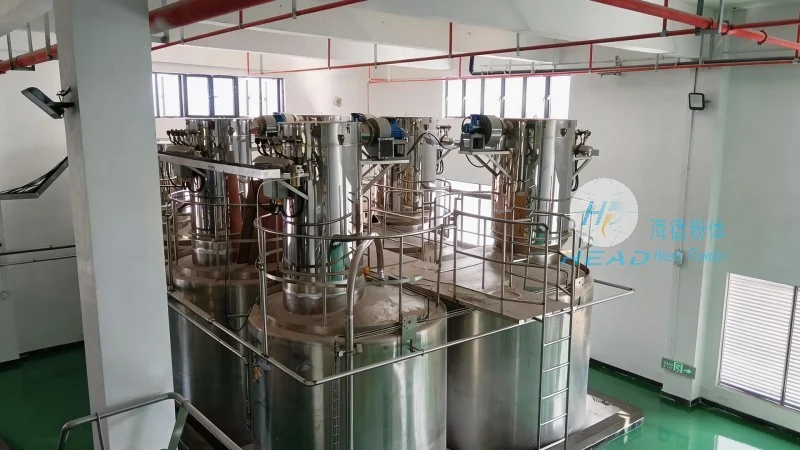
Understanding Biomass Powder Characteristics for Conveying
Before delving into specific conveying methods, it's essential to understand the key characteristics of biomass powders that influence system design. These materials often exhibit high bulk density variability, which can affect flow behavior and system capacity. Additionally, the presence of moisture can lead to caking or agglomeration, requiring specialized equipment to maintain consistent flow. Dust control is another critical factor, as biomass powders are prone to generating airborne particles that can impact air quality and equipment performance. Proper material characterization and testing are therefore fundamental steps in selecting an appropriate conveying solution.
Common Conveying Methods for Biomass Powders
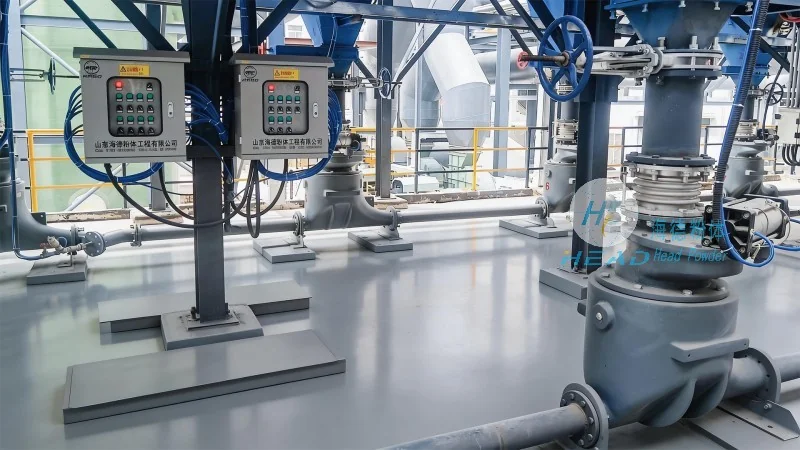
Several established methods are commonly employed for biomass powder transport, each with distinct advantages and applications. The selection depends on factors such as material properties, distance to be conveyed, required flow rates, and environmental considerations.
1. Air-Powered (Pneumatic) Conveying Systems
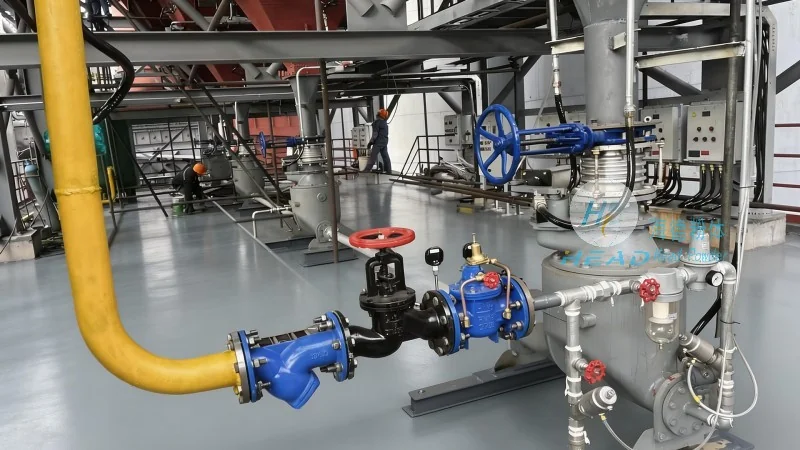
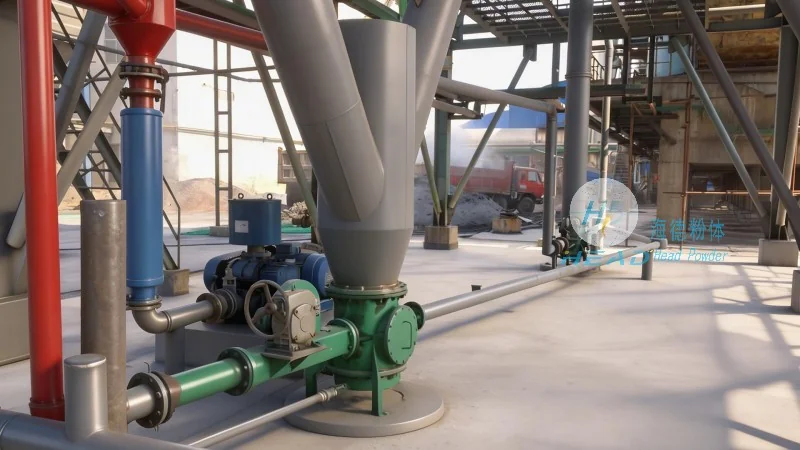
Air-powered or pneumatic conveying systems utilize compressed air to transport biomass powders through a pipeline. This method is particularly effective for fine powders and can handle long distances with minimal equipment. There are two primary types: dilute-phase and dense-phase systems. Dilute-phase systems use low air-to-material ratios, suitable for short to medium distances and low to moderate flow rates. Dense-phase systems, on the other hand, employ higher air-to-material ratios, enabling higher flow rates and better control over material discharge. Air-powered systems offer advantages such as low maintenance, ability to handle abrasive materials, and flexibility in layout. However, they require careful air filtration and moisture control to prevent system blockages and ensure consistent performance.
2. Screw (Auger) Conveyors
Screw or auger conveyors are mechanical systems that use a rotating helical screw to move biomass powders through a tube or trough. These systems are well-suited for short to medium distances and moderate flow rates. Screw conveyors can handle a wide range of particle sizes and moisture levels, making them versatile for various biomass materials. They are particularly effective for vertical or inclined transport, as the screw's design can maintain material flow even under gravity. The main advantages include simplicity, low power consumption, and the ability to operate in enclosed environments to control dust. However, screw conveyors may experience wear on the screw and housing, especially with abrasive or high-moisture materials, and may not be suitable for very fine powders that could cause blockages.
3. Belt Conveyors
Belt conveyors use a continuous belt to transport biomass powders horizontally or at a slight incline. This method is ideal for long-distance transport and high-volume applications. The belt can be made from various materials, such as rubber or PVC, to withstand the abrasive nature of biomass powders. Belt conveyors are capable of handling large quantities of material and can be integrated with other processing equipment. They offer advantages like high capacity, low maintenance, and the ability to transport materials over significant distances without the need for complex infrastructure. However, they require regular inspection and maintenance to prevent belt wear or slippage, and may not be suitable for very fine powders that could cause dust accumulation or belt damage.
4. Hydraulic Conveying Systems
Hydraulic conveying systems utilize water or other liquids to transport biomass powders through a pipeline. This method is particularly effective for handling fine powders and can transport materials over long distances with high efficiency. The system typically involves a pump that creates pressure to move the slurry through the pipeline, with the powder suspended in the liquid. Hydraulic systems offer advantages such as high flow rates, ability to handle abrasive materials, and minimal dust generation. However, they require significant water management and disposal considerations, as the slurry must be treated before discharge. Additionally, the system is more complex and requires regular maintenance of pumps and pipelines.
5. Mechanical Bucket Elevators
Mechanical bucket elevators use a series of buckets attached to a chain or belt to lift biomass powders vertically. This method is ideal for vertical transport and can handle a wide range of particle sizes and moisture levels. The buckets are designed to scoop material from a hopper and transport it to an upper level, where the material is discharged. Bucket elevators offer advantages like high capacity, low power consumption, and the ability to operate in enclosed environments to control dust. They are particularly effective for vertical transport over significant heights. However, they may experience wear on the buckets and chains, especially with abrasive or high-moisture materials, and may not be suitable for very fine powders that could cause blockages or uneven loading.

 Công ty TNHH Kỹ thuật Công trình Bột Hải Đức Sơn Đông
 156-6277-7102(Quản lý Trương)
  0531-83386006
  Quận Chương Khâu, Thành phố Tế Nam, Tỉnh Sơn Đông, Trung Quốc
Điện thoại
WeChatTư vấn
Lên đầu