Công ty Hải Đức Bột với hơn 10 năm kinh nghiệm vận chuyển khí, cung cấp hệ thống‑thiết bị‑quạt gió và nhận dự án tổng thầu bột cả nước
Reducing iron powder is a critical material in various industrial applications, including metallurgy, chemical processing, and manufacturing. The efficient and reliable conveyance of this material is essential to ensure smooth production workflows and maintain product quality. Shandong HeadPowder Engineering Co., Ltd., a leading provider in the field, specializes in delivering advanced solutions for the transportation of reducing iron powder. This article explores the common methods used for conveying reducing iron powder, highlighting the key considerations and technologies employed in each approach.
1. Screw Conveyors for Reducing Iron Powder
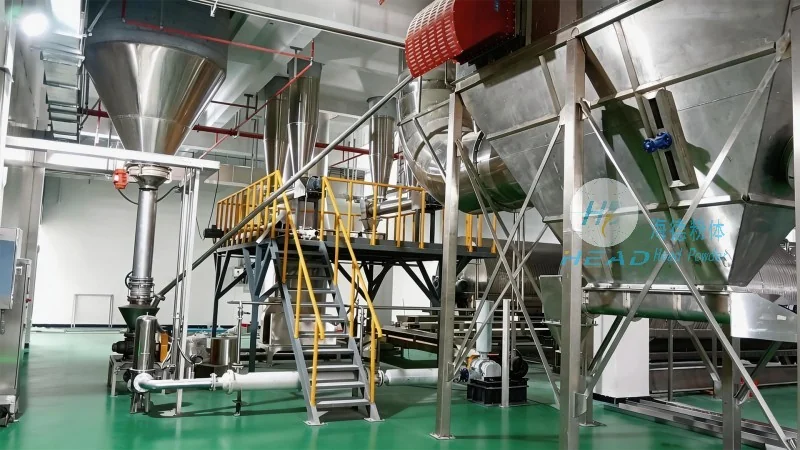
Screw conveyors are among the most widely used equipment for transporting reducing iron powder. These systems consist of a rotating screw (also known as an auger) enclosed within a U-shaped or cylindrical housing. As the screw rotates, it pushes the material forward, enabling horizontal, vertical, or inclined transport. The design of the screw, including the pitch and flight angle, is tailored to the specific characteristics of the reducing iron powder, such as its bulk density and flowability. For example, a low-pitch screw with a shallow flight angle is suitable for handling fine powders that tend to clog or segregate. Shandong HeadPowder Engineering Co., Ltd. offers customized screw conveyor solutions that optimize material flow and minimize degradation during transport. The company’s expertise in material handling ensures that the conveyors are designed to handle the unique properties of reducing iron powder, such as its reactivity and tendency to form clumps.
2. Pneumatic Conveying Systems
Pneumatic conveying, or air-based transport, is another common method for moving reducing iron powder. This technology uses compressed air to create a flow of material through a pipeline. There are two primary types of pneumatic conveying systems: pressure and vacuum. Pressure systems use positive pressure to push the material through the line, while vacuum systems use negative pressure to pull it. The choice between these systems depends on factors like the distance to be covered, the volume of material, and the need for dust control. Pneumatic conveying is particularly advantageous for transporting reducing iron powder in a closed system, which helps prevent contamination and dust exposure. Shandong HeadPowder Engineering Co., Ltd. provides comprehensive pneumatic conveying solutions, including the selection of appropriate air compressors, pipeline diameters, and control valves. The company’s engineers ensure that the system is optimized for the specific requirements of reducing iron powder, such as its low bulk density and high reactivity.
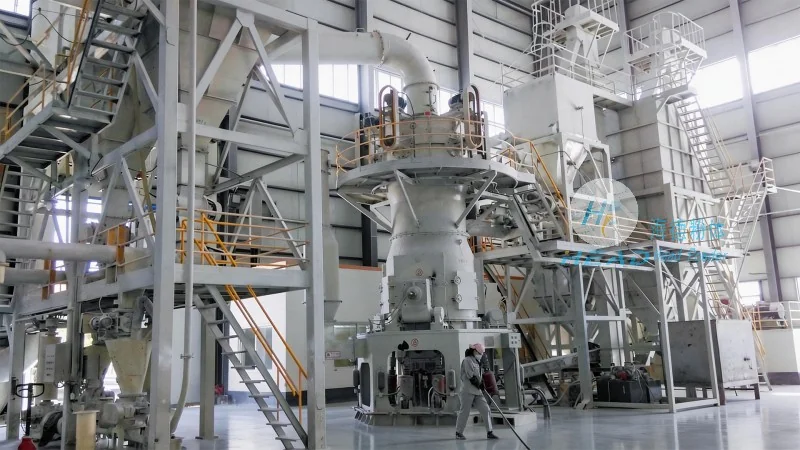
3. Vibratory Conveyors
Vibratory conveyors utilize vibration to move reducing iron powder along a trough. These systems consist of a conveyor bed that is mounted on a frame and driven by an electric motor with a vibrating mechanism. The vibration causes the material to move forward due to the interaction between the bed and the material particles. Vibratory conveyors are effective for handling bulk materials with varying flow characteristics, including reducing iron powder, which may contain moisture or be prone to bridging. The frequency and amplitude of the vibration can be adjusted to control the speed and uniformity of the material flow. Shandong HeadPowder Engineering Co., Ltd. designs and manufactures vibratory conveyors tailored to the needs of reducing iron powder applications. The company’s equipment is built to withstand the abrasive nature of the material and to maintain consistent performance over extended periods. Additionally, the closed design of the vibratory conveyor helps contain dust and prevent contamination, aligning with industrial safety standards.
4. Belt Conveyors
Belt conveyors are a traditional and reliable method for transporting reducing iron powder over long distances. These systems use a continuous belt, typically made of rubber or synthetic materials, to move the material from one point to another. The belt is supported by rollers or idlers, and the material is placed on the belt and carried along as it moves. Belt conveyors are suitable for both horizontal and inclined transport and can handle large volumes of reducing iron powder. However, they require regular maintenance to ensure the belt remains in good condition and to prevent material buildup or spillage. Shandong HeadPowder Engineering Co., Ltd. offers customized belt conveyor solutions, including the selection of appropriate belt materials and drive systems. The company’s expertise in conveyor design ensures that the systems are optimized for the specific characteristics of reducing iron powder, such as its tendency to adhere to the belt surface. The use of anti-static materials in the belt construction is also a key consideration to prevent static buildup, which can be hazardous when handling reactive materials like reducing iron powder.

5. Hydraulic Conveying
Hydraulic conveying is a less common but effective method for transporting reducing iron powder, especially in applications where the material needs to be moved through a pipeline under pressure. This technology uses a liquid medium, such as water or a specialized fluid, to transport the material. The liquid is pumped through a pipeline, and the reducing iron powder is suspended in the liquid as it moves. Hydraulic conveying is particularly useful for handling fine powders that are difficult to transport using other methods, as the liquid helps prevent clogging and segregation. However, it requires careful management of the liquid and the separation of the material from the liquid at the destination. Shandong HeadPowder Engineering Co., Ltd. provides hydraulic conveying systems tailored to the needs of reducing iron powder applications. The company’s engineers ensure that the system is designed to handle the specific properties of the material, such as its density and reactivity, and that the liquid medium is compatible with the material to avoid chemical reactions.
6. Considerations for Choosing the Right Conveying Method
When selecting a conveying method for reducing iron powder, several factors must be considered to ensure optimal performance and efficiency. The first consideration is the material characteristics, including the bulk density, flowability, and reactivity of the reducing iron powder. For example, fine powders with low flowability may require a vibratory or pneumatic system, while larger particles may be better suited for screw or belt conveyors. The distance and layout of the transport route are also critical factors. Short horizontal distances may be handled by screw or belt conveyors, while longer distances or vertical lifts may require pneumatic or hydraulic systems. Additionally, the need for dust control and environmental compliance must be addressed. Closed systems, such as pneumatic or vibratory conveyors, are often preferred to minimize dust exposure and comply with regulations. The cost of the equipment and the maintenance requirements are also important considerations. Shandong HeadPowder Engineering Co., Ltd. assists clients in evaluating these factors and selecting the most appropriate conveying method for their specific reducing iron powder application. The company’s team of experts provides comprehensive advice and customized solutions to meet the unique needs of each project.
7. Conclusion
Efficient conveyance of reducing iron powder is essential for maintaining productivity and product quality in industrial processes. Shandong HeadPowder Engineering Co., Ltd. offers a range of advanced conveying solutions, including screw, pneumatic, vibratory, belt, and hydraulic systems, tailored to the specific requirements of reducing iron powder. By considering factors such as material characteristics, transport distance, and environmental regulations, industries can select the most suitable method for their application. The company’s expertise in material handling and engineering ensures that the chosen systems are optimized for performance, reliability, and safety. As a leading provider in the field, Shandong HeadPowder Engineering Co., Ltd. continues to deliver innovative solutions that meet the evolving needs of the reducing iron powder industry.

 Công ty TNHH Kỹ thuật Công trình Bột Hải Đức Sơn Đông
 156-6277-7102(Quản lý Trương)
  0531-83386006
  Quận Chương Khâu, Thành phố Tế Nam, Tỉnh Sơn Đông, Trung Quốc
Điện thoại
WeChatTư vấn
Lên đầu