Công ty Hải Đức Bột với hơn 10 năm kinh nghiệm vận chuyển khí, cung cấp hệ thống‑thiết bị‑quạt gió và nhận dự án tổng thầu bột cả nước
When it comes to the efficient and reliable handling of silica fume, a well-designed pneumatic conveying system is crucial. Silica fume, a byproduct of the production of silicon metal or ferrosilicon, is a fine powder with high reactivity and specific properties. Properly handling this material requires a system that ensures minimal dust generation, consistent flow, and effective control. This article will explore the key considerations and steps for designing a reasonable silica fume pneumatic conveying system, focusing on the expertise of Shandong HeadPowder Engineering Co., Ltd., a leading provider in the field.
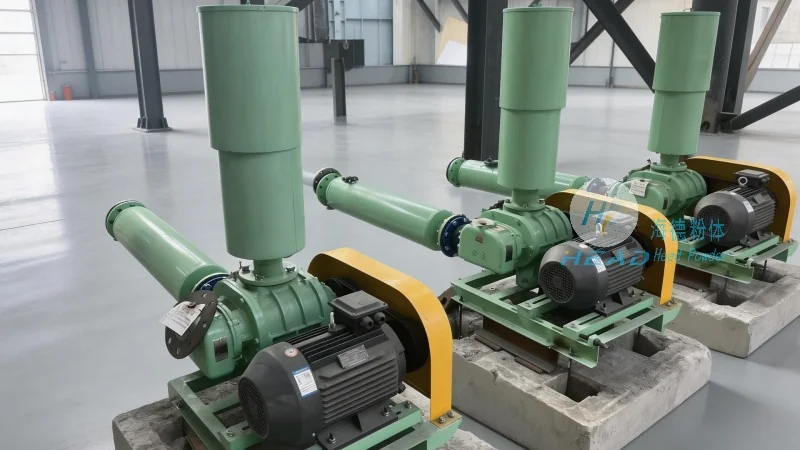
Understanding Silica Fume and Its Handling Challenges
Silica fume, also known as microsilica, is a fine powder composed of amorphous silicon dioxide. Its small particle size and high surface area make it highly reactive, which is beneficial in applications like concrete admixtures, but also presents challenges during handling. The primary challenges include dust control, material segregation, and the need for a system that can handle the material's flow characteristics without causing blockages or excessive wear. A well-designed pneumatic conveying system addresses these challenges by ensuring the material is transported efficiently and safely.
Key Design Considerations for Silica Fume Pneumatic Conveying
Designing a pneumatic conveying system for silica fume involves several critical factors. First, the system must be tailored to the specific properties of silica fume, including its particle size distribution, bulk density, and moisture content. These properties affect the system's air flow requirements, pressure drop, and overall efficiency. Second, the choice of conveying method—whether it's a dilute phase or dense phase system—depends on the distance, height, and material characteristics. Dilute phase systems are suitable for short to medium distances and low to moderate material flow rates, while dense phase systems are better for longer distances or when handling more abrasive materials.
System Components and Their Roles
A typical silica fume pneumatic conveying system consists of several key components, each playing a vital role in the overall operation. The primary components include a material feeder, a conveying line (usually made of stainless steel or other corrosion-resistant materials), a dust collector, and a control system. The material feeder ensures a consistent and controlled feed of silica fume into the system, preventing surges or blockages. The conveying line transports the material using air pressure, with the choice of line diameter and length determined by the system's design. The dust collector is essential for capturing any airborne particles, ensuring compliance with environmental regulations and maintaining a clean working environment. The control system monitors and adjusts the system's parameters, such as air pressure and flow rate, to maintain optimal performance.
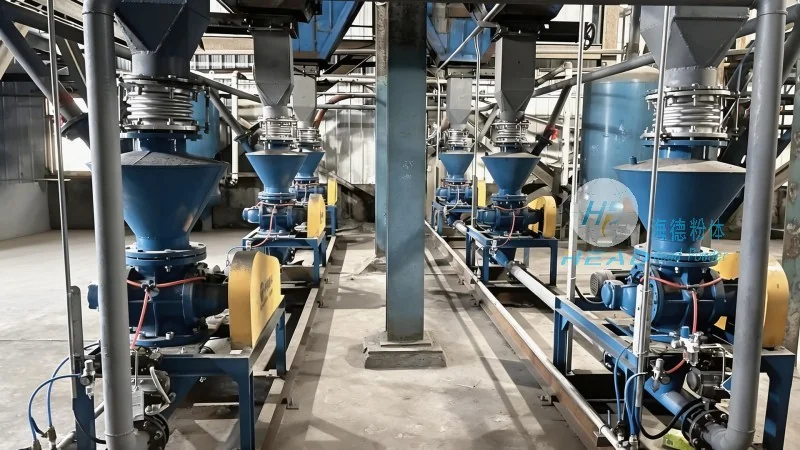
Material Feeder Selection and Installation
The material feeder is a critical component in any pneumatic conveying system, as it directly affects the system's efficiency and reliability. For silica fume, which is a fine powder, a rotary valve or a screw feeder is commonly used. These feeders provide a consistent flow rate and prevent material buildup, which can lead to blockages. The feeder must be installed correctly, with proper sealing to prevent dust leakage. Additionally, the feeder should be positioned to ensure the material enters the conveying line at the correct angle and velocity, minimizing the risk of material degradation or wear on the system components.
Conveying Line Design and Materials
The conveying line is the backbone of the pneumatic conveying system, responsible for transporting the silica fume from the source to the destination. The line's diameter and length are determined based on the system's design, including the material's flow rate and the distance to be covered. For silica fume, which is abrasive and can cause wear, the line is typically made of stainless steel or other corrosion-resistant materials. The line should also be equipped with appropriate fittings, such as elbows and tees, to ensure smooth flow and prevent turbulence, which can cause material segregation or increased pressure drop.
Dust Collection and Environmental Considerations
Due to the fine nature of silica fume, dust control is a major concern in pneumatic conveying systems. The dust collector is a critical component that captures any airborne particles, preventing them from being released into the environment. There are several types of dust collectors available, including baghouse filters, cartridge filters, and cyclone separators. The choice of dust collector depends on the system's requirements, such as the amount of dust to be collected and the need for high efficiency. Proper maintenance of the dust collector is essential to ensure its effectiveness and prevent system downtime. Additionally, the system should be designed to comply with local environmental regulations, ensuring that the dust emissions are within acceptable limits.
Control System and Automation
The control system is responsible for monitoring and adjusting the pneumatic conveying system's parameters to maintain optimal performance. This includes monitoring air pressure, flow rate, and material level. The system should be equipped with sensors and controls that can detect any abnormalities, such as blockages or pressure drops, and alert operators. Automation can also be incorporated into the system to improve efficiency and reduce the need for manual intervention. For example, the system can be programmed to adjust the air flow rate based on the material feed rate, ensuring consistent performance. The control system should be user-friendly and easy to operate, allowing operators to monitor and adjust the system as needed.
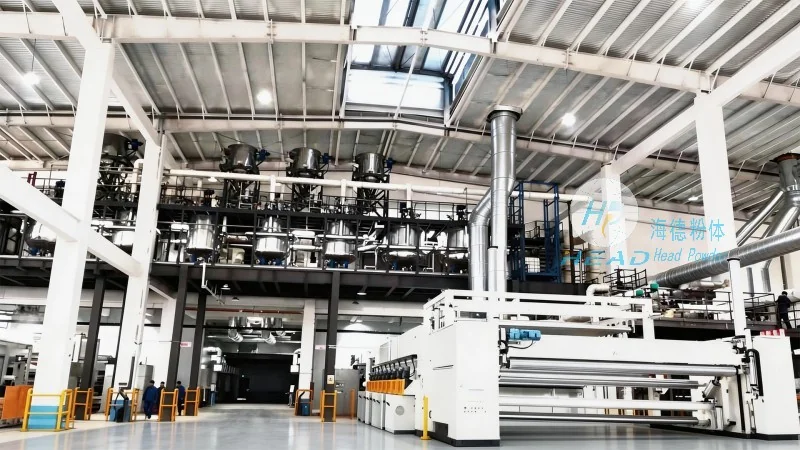
Installation and Commissioning Process
The installation and commissioning of a silica fume pneumatic conveying system require careful planning and execution. The system should be installed by experienced professionals who are familiar with the material's properties and the system's design. The installation process includes setting up the conveying line, installing the material feeder and dust collector, and connecting the control system. The commissioning process involves testing the system to ensure it operates as designed, checking for any leaks or blockages, and adjusting the system's parameters as needed. The commissioning process should be thorough and documented to ensure that the system is ready for operation.
Maintenance and Troubleshooting
Regular maintenance is essential to ensure the long-term performance and reliability of a silica fume pneumatic conveying system. The system should be inspected regularly for any signs of wear or damage, such as worn-out components or leaks. The dust collector should be cleaned and maintained according to the manufacturer's instructions to ensure its effectiveness. The control system should be checked for proper operation and adjusted as needed. Troubleshooting is also an important part of maintenance, as it helps identify and resolve any issues that may arise. Common issues include blockages, pressure drops, and dust leakage, which can be addressed by adjusting the system's parameters or replacing worn-out components.
Conclusion
Designing a reasonable silica fume pneumatic conveying system requires careful consideration of the material's properties, the system's components, and the operational requirements. By following the guidelines and best practices outlined in this article, and with the expertise of companies like Shandong HeadPowder Engineering Co., Ltd., a reliable and efficient system can be achieved. The key to success is to tailor the system to the specific needs of the application, ensuring that it meets the performance and environmental requirements while minimizing costs and downtime.

 Công ty TNHH Kỹ thuật Công trình Bột Hải Đức Sơn Đông
 156-6277-7102(Quản lý Trương)
  0531-83386006
  Quận Chương Khâu, Thành phố Tế Nam, Tỉnh Sơn Đông, Trung Quốc
Điện thoại
WeChatTư vấn
Lên đầu