Công ty Hải Đức Bột với hơn 10 năm kinh nghiệm vận chuyển khí, cung cấp hệ thống‑thiết bị‑quạt gió và nhận dự án tổng thầu bột cả nước
When it comes to selecting and implementing an efficient pneumatic conveying system, the choice of materials and system design is critical. For applications involving fine powders and granules, polyurethane (PU) components offer superior performance in terms of wear resistance, flexibility, and chemical compatibility. This article provides a detailed guide on how to design a reasonable polyurethane pneumatic conveying system, ensuring optimal performance, longevity, and cost-effectiveness.
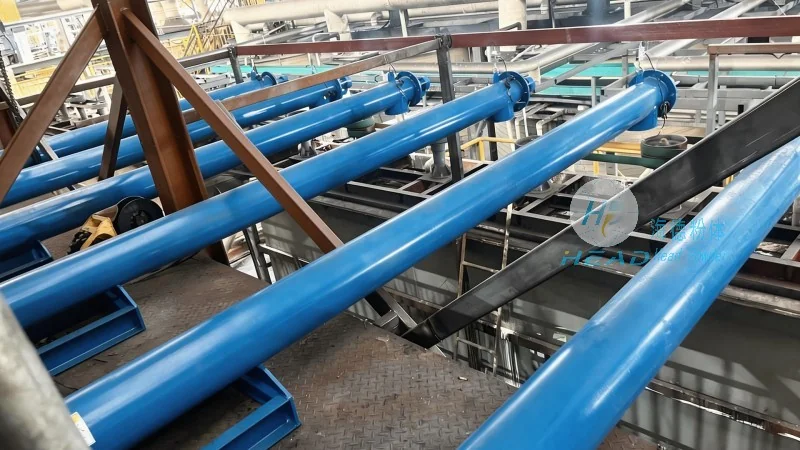
Understanding the Core Components of a Polyurethane Pneumatic Conveying System
A polyurethane pneumatic conveying system typically consists of several key components, each playing a vital role in the overall operation. The primary elements include the hopper, feeders, conveying lines, separation equipment, and control systems. The choice of polyurethane for these components is driven by its ability to withstand abrasive materials and harsh operating conditions, which are common in powder handling processes.
Key Design Considerations for Polyurethane Pneumatic Conveying Systems
Designing a successful polyurethane pneumatic conveying system requires careful consideration of several factors. First, the material characteristics of the powder being conveyed must be evaluated. This includes particle size, density, moisture content, and flowability. These properties directly impact the selection of the hopper design, feeder type, and conveying velocity. For example, cohesive or sticky powders may require a hopper with a conical or wedge-shaped bottom to prevent material bridging, while free-flowing powders can be handled with simpler designs.
Second, the system's operating pressure and air flow rate are critical design parameters. The pressure drop across the conveying line and the required air volume must be calculated to ensure efficient material transport. Polyurethane components, such as hoses and fittings, are chosen based on their pressure rating and flexibility. For high-pressure applications, reinforced polyurethane hoses are recommended to prevent bursting or deformation.
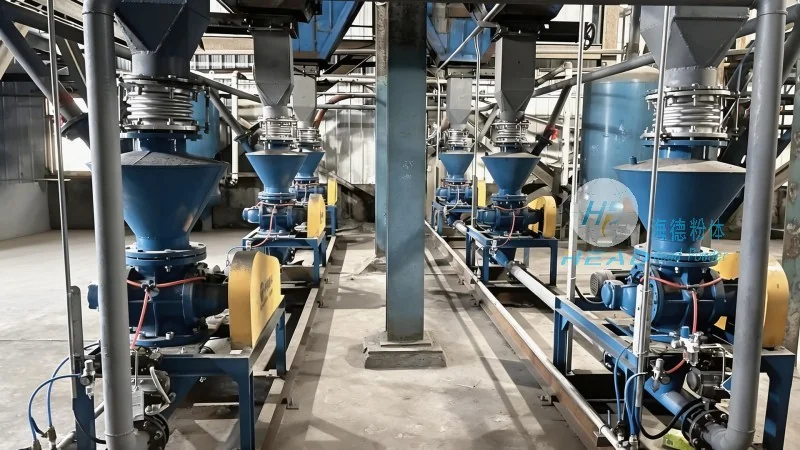
Choosing the Right Polyurethane Materials for System Components
The selection of polyurethane materials for system components is a critical step in ensuring system longevity and performance. Different types of polyurethane, such as Urethane Elastomers, offer varying levels of wear resistance, temperature tolerance, and chemical resistance. For example, high-density polyurethane is ideal for conveying abrasive materials like metal powders or coal, while low-density polyurethane may be suitable for handling fine, non-abrasive powders like pharmaceuticals or food additives.
Additionally, the surface finish of polyurethane components can impact the conveying efficiency. Smooth surfaces reduce friction and minimize material buildup, while textured surfaces may be used to enhance grip for sticky materials. The choice of material and surface finish should be based on the specific application requirements and the expected service life of the system.
System Integration and Installation Best Practices
Proper integration and installation of the polyurethane pneumatic conveying system are essential for optimal performance and safety. The system should be installed with appropriate supports and alignment to prevent vibration and stress on the components. All connections, including hose fittings and pipe joints, must be securely fastened to prevent air leaks, which can reduce conveying efficiency and increase energy consumption.
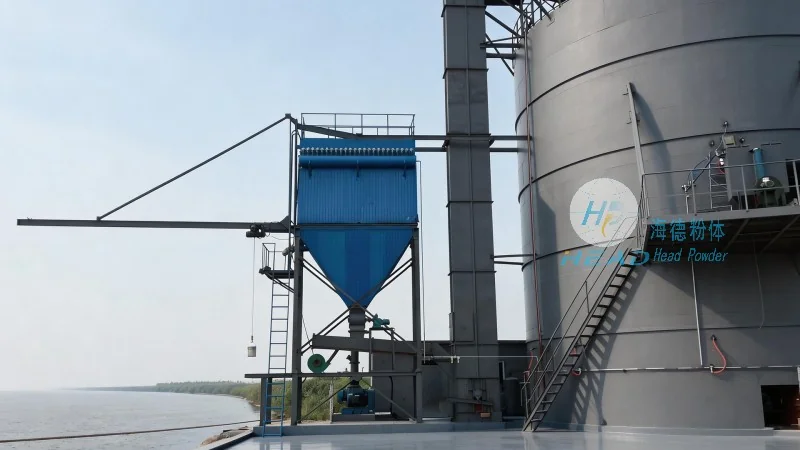
Regular maintenance is also crucial for the longevity of the system. This includes inspecting polyurethane components for signs of wear, such as cracks or abrasion, and replacing them as needed. Cleaning the system regularly, especially after handling different materials, helps maintain efficiency and prevents cross-contamination.
Case Study: Successful Implementation by Shandong HeadPowder Engineering Co., Ltd.
Shandong HeadPowder Engineering Co., Ltd., a leading provider of pneumatic conveying solutions, has successfully implemented polyurethane pneumatic conveying systems for various industries. One notable project involved the design and installation of a system for conveying fine ceramic powders in a manufacturing facility. The system utilized high-density polyurethane hoses and fittings, which effectively withstood the abrasive nature of the ceramic particles. The design included a hopper with a conical bottom to prevent material bridging and a variable-speed feeder to control the material flow rate. The result was a significant reduction in material handling time and labor costs, while maintaining high product quality.
Another successful application was in the food processing industry, where a polyurethane pneumatic conveying system was used to transport powdered spices and seasonings. The system was designed with food-grade polyurethane components to ensure compliance with safety regulations. The smooth surface finish of the polyurethane hoses minimized material buildup, and the system operated at low pressure to prevent product degradation. The customer reported improved production efficiency and reduced downtime due to the system's reliability.
Conclusion: Designing a Reliable Polyurethane Pneumatic Conveying System
Designing a reasonable polyurethane pneumatic conveying system requires a comprehensive understanding of the application requirements, material properties, and system components. By carefully selecting the right polyurethane materials, optimizing system design parameters, and following proper installation and maintenance practices, businesses can achieve efficient, cost-effective, and reliable powder handling solutions. Shandong HeadPowder Engineering Co., Ltd. offers expert design and implementation services to help clients achieve their material handling goals with polyurethane pneumatic conveying systems.

 Công ty TNHH Kỹ thuật Công trình Bột Hải Đức Sơn Đông
 156-6277-7102(Quản lý Trương)
  0531-83386006
  Quận Chương Khâu, Thành phố Tế Nam, Tỉnh Sơn Đông, Trung Quốc
Điện thoại
WeChatTư vấn
Lên đầu