Công ty Hải Đức Bột với hơn 10 năm kinh nghiệm vận chuyển khí, cung cấp hệ thống‑thiết bị‑quạt gió và nhận dự án tổng thầu bột cả nước
Metallurgical coke is a critical raw material in the steelmaking process, and its efficient transportation is essential for maintaining production efficiency and safety. Pneumatic conveying systems offer a reliable method for moving coke from storage facilities to processing units, eliminating the need for traditional bulk handling equipment like conveyor belts or trucks. However, designing an effective system requires careful consideration of several key factors to ensure optimal performance, energy efficiency, and longevity.
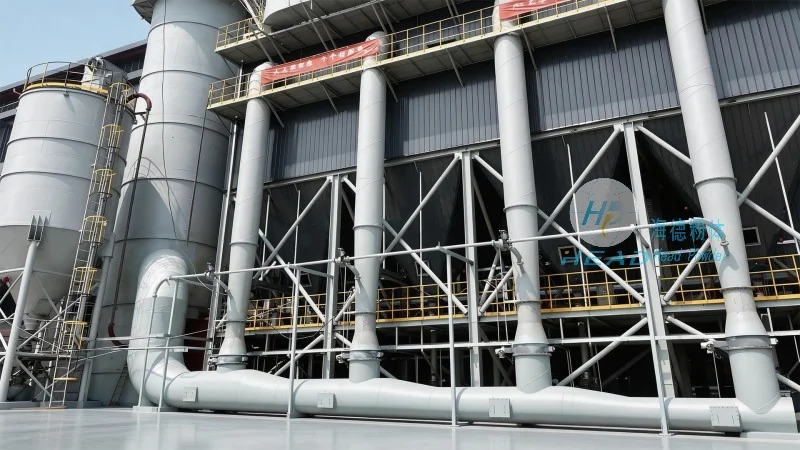
Key Design Considerations for Metallurgical Coke Pneumatic Conveying
When planning a metallurgical coke pneumatic conveying system, engineers must evaluate multiple variables that impact system performance. The first step is to assess the specific characteristics of the coke being transported, such as particle size distribution, moisture content, and bulk density. These properties influence the choice of conveying method—whether positive pressure, negative pressure, or a hybrid system is most suitable. For example, positive pressure systems are often preferred for long-distance or high-volume applications, as they can maintain consistent air pressure to move material through pipelines. In contrast, negative pressure systems are better suited for shorter distances or when handling dust-sensitive materials, as they create a vacuum to draw material into the system.
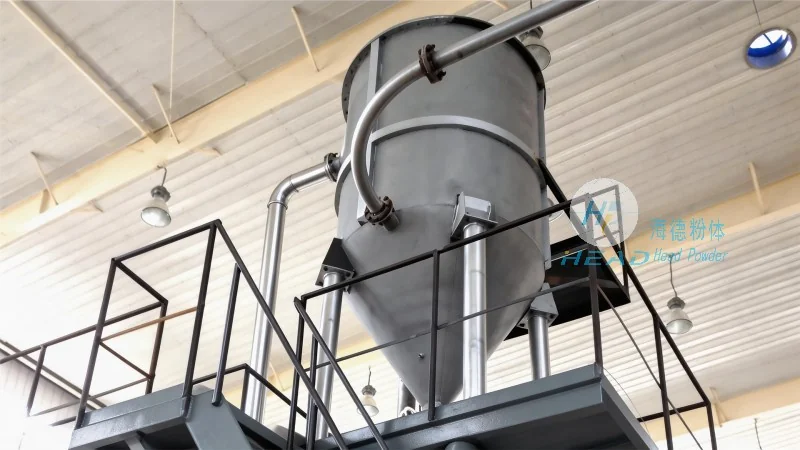
System Components and Equipment Selection
The success of a metallurgical coke pneumatic conveying system depends on the proper selection and integration of key components. The primary equipment includes a blower or fan to generate airflow, a hopper or feeder to control material flow, and a pipeline network to transport the coke. The blower's capacity must be matched to the system's required air volume and pressure, ensuring it can overcome friction losses in the pipes and any elevation changes. The feeder, typically a rotary valve or screw feeder, regulates the coke feed rate to maintain a stable flow and prevent blockages. Additionally, the pipeline design is critical; materials like stainless steel or high-grade carbon steel are commonly used to withstand the abrasive nature of coke particles and resist corrosion from moisture or chemicals.
Flow Rate and Pressure Calculations
Accurate calculations of flow rate and pressure are essential for system design. Engineers use formulas based on the material's properties and pipeline dimensions to determine the required air velocity and pressure. For instance, the air velocity must be high enough to keep coke particles suspended in the air stream but low enough to prevent excessive wear on the pipeline and equipment. The pressure drop across the system is calculated by considering factors like pipe length, diameter, bends, and fittings, ensuring the blower can provide sufficient pressure to maintain material transport. These calculations help optimize energy consumption and reduce operational costs over the system's lifespan.
Control Systems and Safety Measures
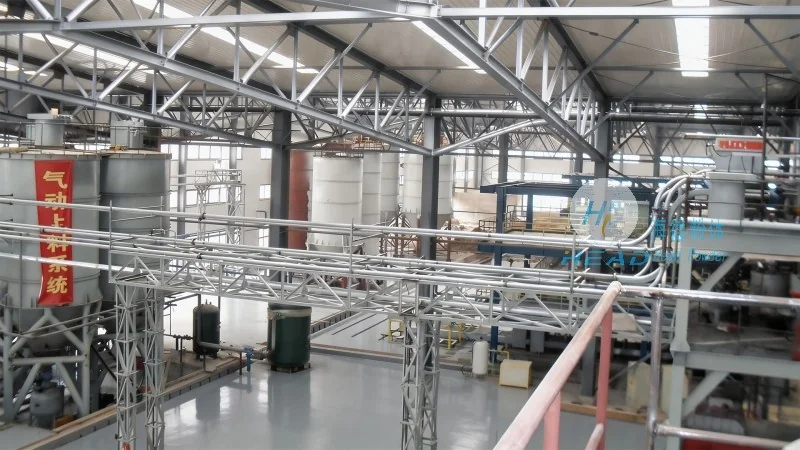
Modern metallurgical coke pneumatic conveying systems incorporate advanced control systems to monitor and regulate operation. Sensors are used to detect material levels in hoppers, airflow rates, and pressure variations, providing real-time data to operators. Automated controls can adjust feeder speeds or blower settings to maintain consistent material flow, preventing overfilling or underflow. Safety measures are also integral to the design, including explosion-proof components for areas where coke dust may accumulate, emergency shut-off valves, and monitoring systems for air quality and pressure. These features ensure compliance with industrial safety standards and protect personnel and equipment from potential hazards.
About Shandong HeadPowder Engineering Co., Ltd.
Shandong HeadPowder Engineering Co., Ltd., operating under the brand name headpowder, is a leading provider of engineering solutions for material handling systems, including pneumatic conveying for metallurgical coke. With a focus on innovation and customer-centric design, the company offers comprehensive services from system analysis and design to installation and maintenance. Headpowder's team of experienced engineers leverages advanced technology and industry expertise to develop customized solutions that meet the unique needs of steel and metallurgical plants. The company's headquarters is located in Shandong, China, where it serves clients globally with high-quality products and reliable support. By combining technical expertise with practical application, headpowder helps industries optimize their material handling processes, enhance efficiency, and reduce operational risks.

 Công ty TNHH Kỹ thuật Công trình Bột Hải Đức Sơn Đông
 156-6277-7102(Quản lý Trương)
  0531-83386006
  Quận Chương Khâu, Thành phố Tế Nam, Tỉnh Sơn Đông, Trung Quốc
Điện thoại
WeChatTư vấn
Lên đầu