Công ty Hải Đức Bột với hơn 10 năm kinh nghiệm vận chuyển khí, cung cấp hệ thống‑thiết bị‑quạt gió và nhận dự án tổng thầu bột cả nước
Efficient and reliable transportation of barley pellets is crucial in the grain processing industry. A well-designed pneumatic conveying system not only enhances operational efficiency but also minimizes material loss and equipment wear. This article provides a comprehensive guide on how to design a reasonable barley pellet pneumatic conveying system, focusing on key considerations and practical steps to ensure optimal performance.
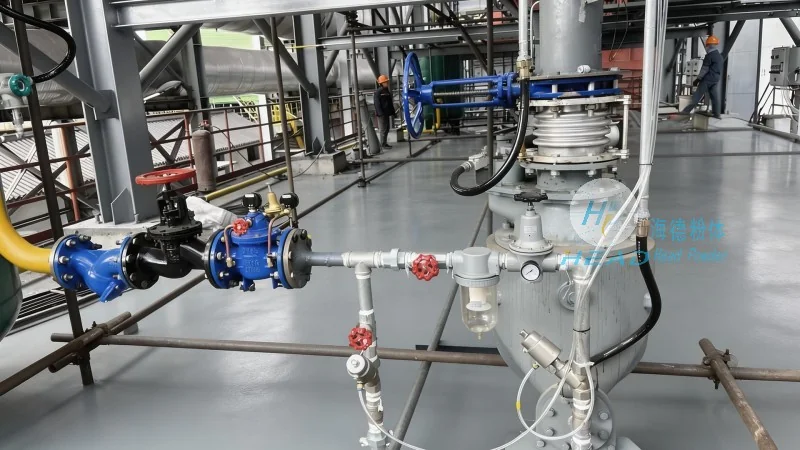
About Shandong HeadPowder Engineering Co., Ltd.
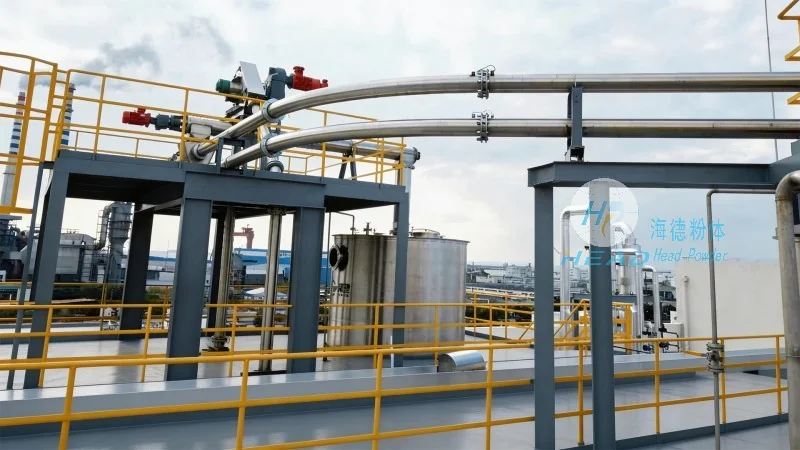
Shandong HeadPowder Engineering Co., Ltd., operating under the brand name headpowder, is a leading engineering firm specializing in the design and implementation of pneumatic conveying systems for the grain and food processing sectors. With years of experience in the industry, the company has developed a deep understanding of the technical and operational challenges associated with handling barley pellets and other bulk materials. HeadPowder's expertise lies in creating customized solutions that meet the specific needs of clients, ensuring systems are not only efficient but also cost-effective and durable. The company's headquarters is located in Shandong, China, where a team of skilled engineers and technicians work to deliver high-quality engineering services.
Key Factors in Designing a Barley Pellet Pneumatic Conveying System
The design of a pneumatic conveying system for barley pellets involves several critical factors that must be carefully evaluated to achieve optimal performance. The first consideration is the material characteristics of the barley pellets, including their density, moisture content, and particle size distribution. These properties directly impact the air velocity required for effective transportation and the selection of appropriate equipment such as the feeder, pipeline, and receiver. For example, barley pellets typically have a bulk density ranging from 500 to 700 kg/m³, and their particle size may vary from 2 to 10 mm. Understanding these characteristics helps in determining the necessary air flow rate and pressure to prevent blockages and ensure smooth operation.
Another crucial factor is the system layout and the distance between the feeder and the receiver. The layout should be designed to minimize the number of bends and changes in direction, as excessive bends can cause pressure drops and increase the risk of material accumulation. The distance between the two points also affects the required air pressure and the type of conveying system (e.g., positive or negative pressure). For short distances, a positive pressure system may be sufficient, while longer distances may require a combination of positive and negative pressure or a more complex system with intermediate receivers.
Energy efficiency is another key consideration in system design. The selection of the air compressor and the type of pipeline (e.g., metal or plastic) can significantly impact the overall energy consumption. High-efficiency compressors and well-insulated pipelines help reduce operational costs and environmental impact. Additionally, the system should be equipped with monitoring and control devices to optimize performance and detect any issues early, such as pressure drops or material blockages.
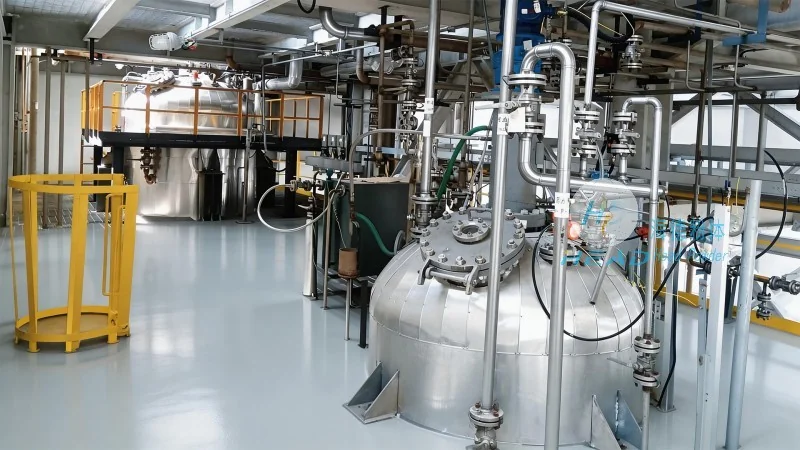
Key Components of a Barley Pellet Pneumatic Conveying System
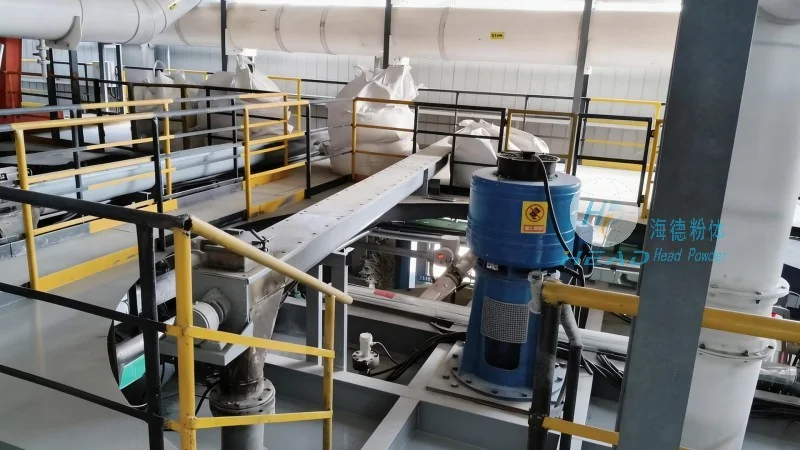
A pneumatic conveying system for barley pellets typically consists of several key components, each playing a vital role in the overall operation. The primary components include the material feeder, the air compressor, the conveying pipeline, the receiver, and the control system. The material feeder is responsible for feeding the barley pellets into the system at a consistent rate, ensuring a steady flow of material. Common types of feeders for this application include rotary valves and screw feeders, which can handle the bulk density and particle size of barley pellets effectively. The air compressor provides the necessary air pressure to move the material through the pipeline. The choice of compressor (e.g., rotary screw or centrifugal) depends on the system's requirements, including the required air flow rate and pressure. The conveying pipeline is the main channel through which the material and air travel. The material of the pipeline (e.g., stainless steel or PVC) should be selected based on the material's properties and the system's operating conditions to prevent corrosion or wear. The receiver is the final component where the transported barley pellets are collected. It should be designed to handle the material's bulk density and prevent spillage or contamination. The control system manages the operation of the feeder, compressor, and other components, ensuring the system runs smoothly and efficiently.
Step-by-Step Design Process for a Barley Pellet Pneumatic Conveying System
Designing a pneumatic conveying system for barley pellets involves a systematic approach that ensures all critical factors are addressed. The first step is to gather all necessary information about the material, including its physical properties, the required conveying distance, and the desired throughput. This information is used to determine the appropriate air flow rate and pressure. The second step is to select the system layout, considering the available space and the need to minimize bends and changes in direction. The third step is to choose the appropriate components, such as the feeder, compressor, and pipeline, based on the system's requirements. The fourth step is to perform a pressure drop analysis to ensure the system can operate at the required pressure without excessive energy consumption. The fifth step is to design the control system to manage the operation of the components and monitor the system's performance. Finally, the system should be tested and optimized to ensure it meets the client's needs and operates efficiently.

 Công ty TNHH Kỹ thuật Công trình Bột Hải Đức Sơn Đông
 156-6277-7102(Quản lý Trương)
  0531-83386006
  Quận Chương Khâu, Thành phố Tế Nam, Tỉnh Sơn Đông, Trung Quốc
Điện thoại
WeChatTư vấn
Lên đầu