Công ty Hải Đức Bột với hơn 10 năm kinh nghiệm vận chuyển khí, cung cấp hệ thống‑thiết bị‑quạt gió và nhận dự án tổng thầu bột cả nước
HeadPowder, a professional engineering company based in Shandong, China, specializes in providing comprehensive solutions for pneumatic conveying systems, particularly for dry soybean handling. This article outlines the key considerations and steps involved in designing an efficient and reliable dry soybean pneumatic conveying system plan, ensuring optimal performance and minimal operational issues.
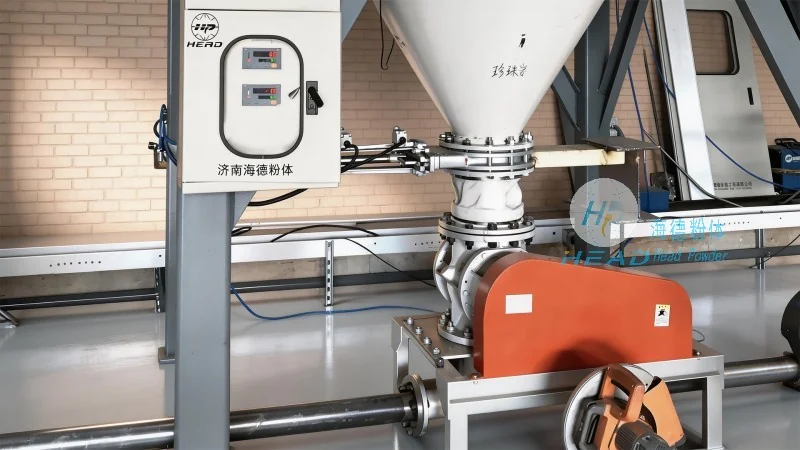
Understanding the Core Components of a Dry Soybean Pneumatic Conveying System
A dry soybean pneumatic conveying system typically consists of several critical components that work in tandem to transport soybeans from one location to another. The primary elements include a material hopper, a rotary airlock or feeder, a conveying line (often equipped with bends and expansion joints), a dust collector or filter system, and a receiving hopper or silo. Each component plays a vital role in maintaining the integrity of the soybeans and ensuring the system operates smoothly.
Key Design Considerations for Dry Soybean Pneumatic Conveying
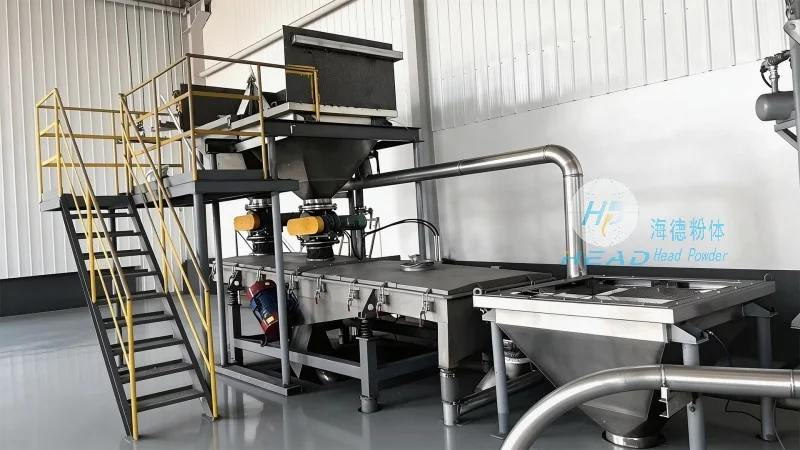
When designing a dry soybean pneumatic conveying system, several factors must be carefully evaluated to ensure the system meets the specific requirements of the application. These considerations include the soybean characteristics, such as moisture content, bulk density, and particle size, which directly impact the system's air velocity and pressure requirements. Additionally, the distance and elevation changes between the source and destination points are crucial in determining the necessary air pressure and power consumption. The choice of conveying line material, whether stainless steel or other corrosion-resistant options, is also essential to prevent contamination and ensure durability, especially when handling food-grade products like soybeans.
Calculating Airflow and Pressure Requirements
Accurate calculation of airflow and pressure is fundamental to the successful design of a dry soybean pneumatic conveying system. The system's capacity, measured in terms of the volume of soybeans to be conveyed per hour, dictates the required air velocity and pressure. Engineers use established formulas and empirical data to determine the optimal air velocity, which is typically maintained between 20 to 30 meters per second for dry soybeans to ensure efficient transport without excessive wear on the system components. The pressure required is often determined by the system's total pressure drop, which includes losses due to bends, fittings, and the conveying line's length and elevation changes. Proper calculation of these parameters ensures energy efficiency and reduces operational costs.
Material Handling and System Integration
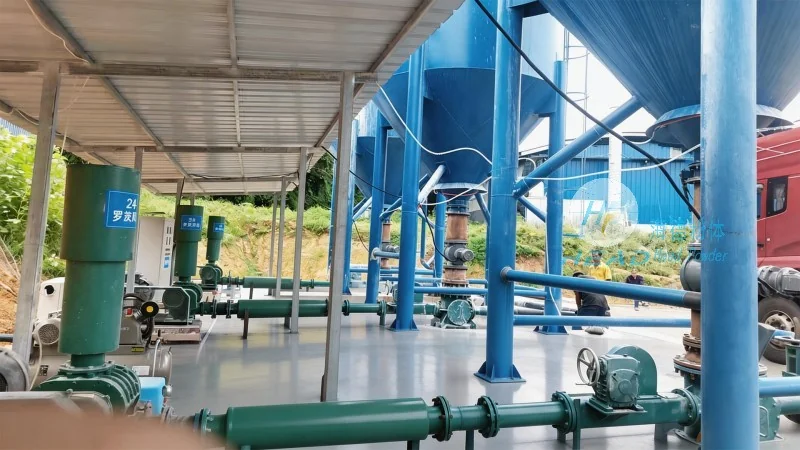
Integrating the dry soybean pneumatic conveying system with existing processing equipment is a critical step in the design process. The system must be compatible with the upstream and downstream processes, such as cleaning, drying, or packaging operations. For instance, the material hopper should be designed to feed the rotary airlock at a consistent rate, preventing overloading or underloading that could lead to system inefficiencies or blockages. The receiving hopper or silo must be sized appropriately to accommodate the expected flow rate and provide a stable storage environment for the soybeans. Additionally, the dust collection system is essential to maintain air quality and comply with environmental regulations, as soybean dust can be a health hazard if not properly managed.
Ensuring System Reliability and Maintenance
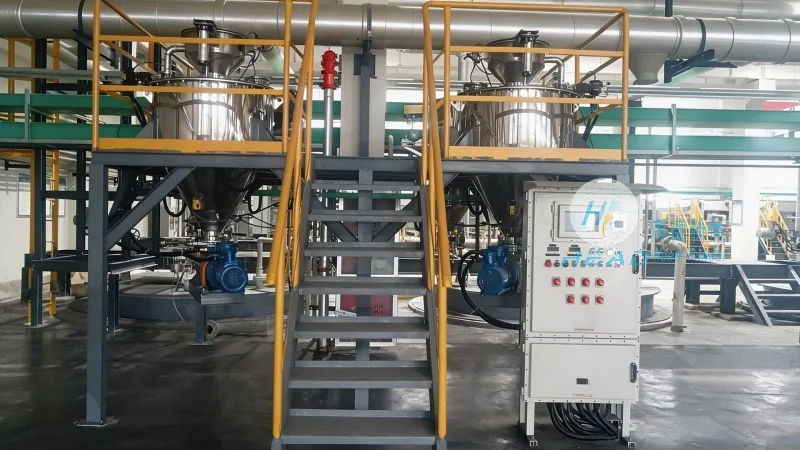
Reliability and ease of maintenance are key aspects of a well-designed dry soybean pneumatic conveying system. Components such as rotary airlocks and conveying lines should be constructed from high-quality materials to withstand the abrasive nature of soybean particles and prevent premature wear. Regular maintenance, including cleaning of the conveying line, checking for leaks, and inspecting the air filter system, is essential to ensure long-term system performance. HeadPowder, with its expertise in engineering and manufacturing, offers tailored solutions that incorporate these considerations, providing clients with systems that are not only efficient but also durable and low-maintenance.
Conclusion
Designing a reasonable dry soybean pneumatic conveying system plan requires a comprehensive understanding of the material characteristics, system components, and operational requirements. By carefully evaluating factors such as airflow, pressure, and material handling, engineers can develop a system that maximizes efficiency, minimizes downtime, and ensures the quality of the soybeans. HeadPowder, based in Shandong, China, is committed to providing expert guidance and customized solutions to meet the specific needs of its clients, helping them achieve optimal performance in their soybean processing operations.

 Công ty TNHH Kỹ thuật Công trình Bột Hải Đức Sơn Đông
 156-6277-7102(Quản lý Trương)
  0531-83386006
  Quận Chương Khâu, Thành phố Tế Nam, Tỉnh Sơn Đông, Trung Quốc
Điện thoại
WeChatTư vấn
Lên đầu