Công ty Hải Đức Bột với hơn 10 năm kinh nghiệm vận chuyển khí, cung cấp hệ thống‑thiết bị‑quạt gió và nhận dự án tổng thầu bột cả nước
When it comes to transporting synthetic fibers, various methods are employed depending on the specific requirements of the application. These methods are designed to ensure efficient and reliable movement of fibers while maintaining their integrity. The choice of conveying method often depends on factors such as fiber type, quantity, and the environment where the conveying takes place.
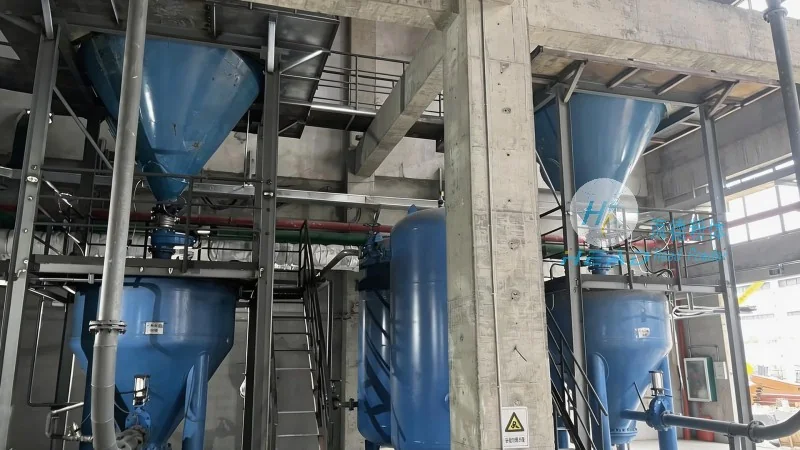
Common Conveying Techniques
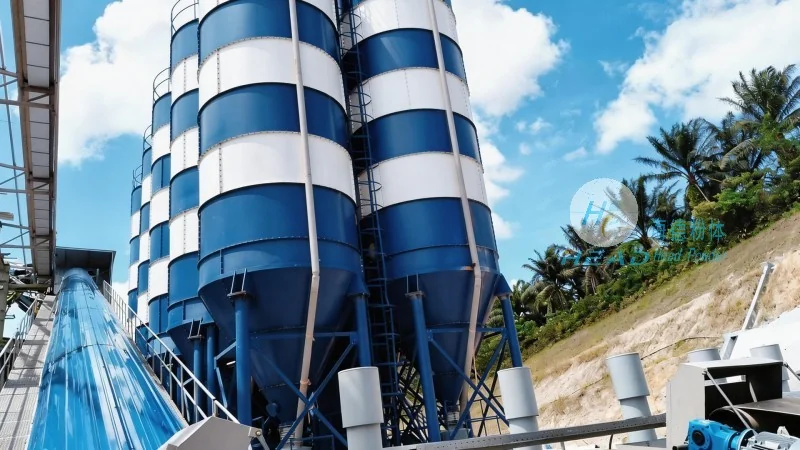
One of the most widely used methods for synthetic fiber conveying is mechanical conveying. This approach involves the use of equipment like conveyor belts, screw conveyors, and bucket elevators. Mechanical conveyors are particularly effective for handling bulk synthetic fibers, especially in industrial settings where large volumes need to be moved over short to medium distances. The mechanical system provides consistent and controlled movement, reducing the risk of fiber breakage or contamination.
In addition to mechanical methods, pneumatic or air-based conveying systems are also prevalent. These systems utilize air pressure to transport synthetic fibers through a network of pipes. Air-based conveying is advantageous for applications that require the transport of fibers over longer distances or in environments where dust and debris need to be contained. The system can handle fine or irregularly shaped fibers and is often used in processes like fiber blending and material handling.
Factors Influencing Conveying Method Selection
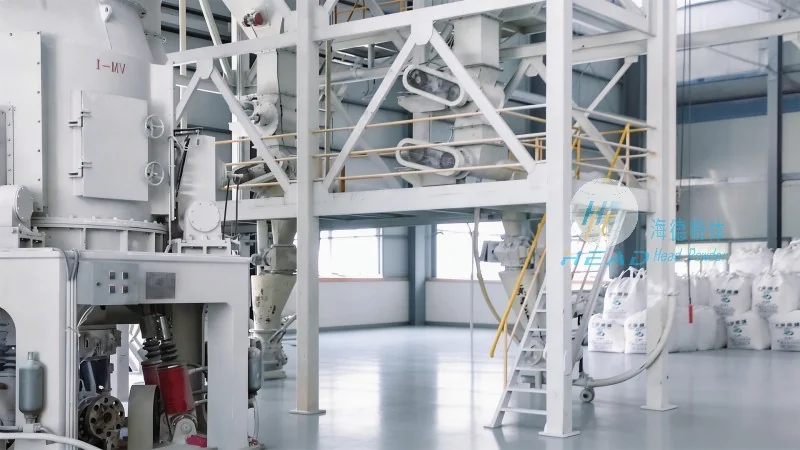
The selection of an appropriate synthetic fiber conveying method is influenced by several key factors. First, the physical properties of the synthetic fibers, including their size, shape, and flexibility, play a crucial role. For example, longer or more rigid fibers may be better suited for mechanical conveyors, while finer fibers might benefit from pneumatic systems. Second, the volume and speed of fiber transport are critical considerations. High-volume applications may require more robust mechanical systems or larger pneumatic lines to maintain efficiency. Third, the operational environment, such as the presence of moisture or other contaminants, can impact the choice of conveying method. For instance, in humid conditions, mechanical conveyors with proper sealing may be preferred to prevent fiber degradation.
Company Profile: Shandong HeadPowder Engineering Co., Ltd.
Shandong HeadPowder Engineering Co., Ltd., based in Shandong, China, specializes in providing advanced solutions for synthetic fiber conveying and related industrial processes. The company leverages its expertise in material handling and engineering to develop customized conveying systems tailored to the unique needs of clients. With a focus on efficiency, reliability, and durability, HeadPowder Engineering offers a range of equipment and services designed to optimize synthetic fiber transport in various industrial applications.
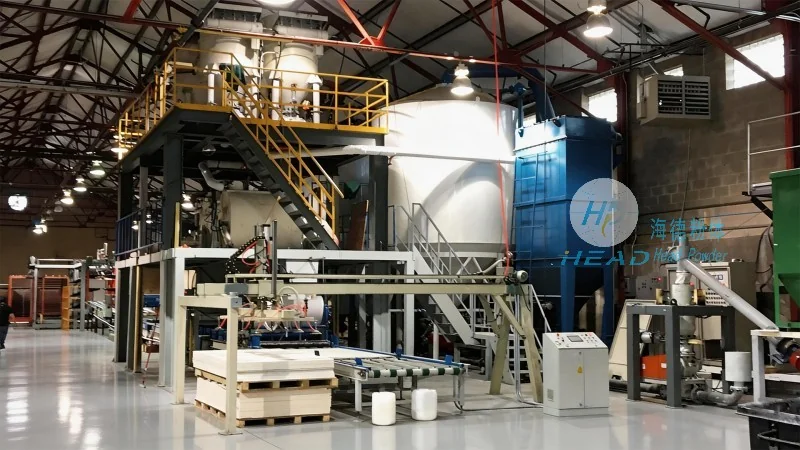
HeadPowder Engineering's commitment to quality and innovation ensures that their conveying solutions meet the highest industry standards. By combining advanced technology with practical application knowledge, the company helps clients improve operational efficiency, reduce downtime, and enhance overall productivity in synthetic fiber processing. Whether it's mechanical or pneumatic conveying, HeadPowder Engineering provides comprehensive support from system design to installation and maintenance.

 Công ty TNHH Kỹ thuật Công trình Bột Hải Đức Sơn Đông
 156-6277-7102(Quản lý Trương)
  0531-83386006
  Quận Chương Khâu, Thành phố Tế Nam, Tỉnh Sơn Đông, Trung Quốc
Điện thoại
WeChatTư vấn
Lên đầu