Công ty Hải Đức Bột với hơn 10 năm kinh nghiệm vận chuyển khí, cung cấp hệ thống‑thiết bị‑quạt gió và nhận dự án tổng thầu bột cả nước
Aluminum oxide particles, widely utilized in industrial sectors including ceramics, refractory materials, and chemical processing, necessitate efficient and reliable transport methods to uphold consistent quality and operational efficiency. The selection of a transport method hinges on factors such as particle size, density, flow rate, and the specific requirements of the production process. This article examines the primary methods employed for transporting aluminum oxide particles, highlighting the solutions provided by Shandong HeadPowder Engineering Co., Ltd., a leading provider in this domain.
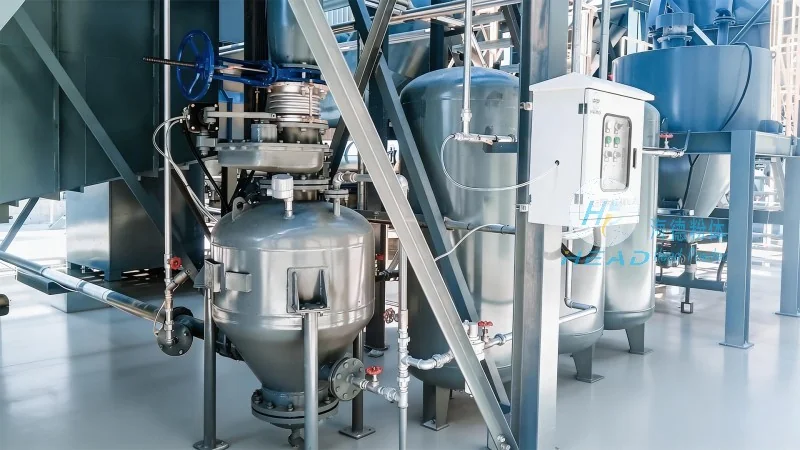
1. Pneumatic Conveying Systems for Aluminum Oxide Particles
Pneumatic conveying, also known as air-based transport, is a prevalent technique for moving aluminum oxide particles. This method utilizes compressed air or other gases to generate a flow that carries the particles through a pipeline. There are two main types of pneumatic conveying systems: dilute-phase and dense-phase. Dilute-phase systems are suitable for fine particles and low to medium flow rates, whereas dense-phase systems are ideal for handling larger particles or when a more controlled flow is required. HeadPowder specializes in designing and manufacturing customized pneumatic conveying systems tailored to the unique characteristics of aluminum oxide, ensuring minimal particle degradation and efficient transport over extended distances.

2. Mechanical Conveying Equipment for Aluminum Oxide Handling
For applications where pneumatic systems are not feasible or practical, mechanical conveying equipment offers an effective alternative. This includes screw conveyors, belt conveyors, and bucket elevators, which rely on mechanical force to move aluminum oxide particles. Screw conveyors are particularly useful for handling bulk materials in vertical or horizontal orientations, while belt conveyors are suitable for larger volumes and longer distances. Mechanical conveyors are often preferred in environments where air quality is a concern or when the material is sensitive to air exposure. HeadPowder provides robust mechanical conveying solutions engineered to handle the abrasive nature of aluminum oxide particles, ensuring long service life and consistent performance.
3. Hydraulic Conveying Systems as an Alternative
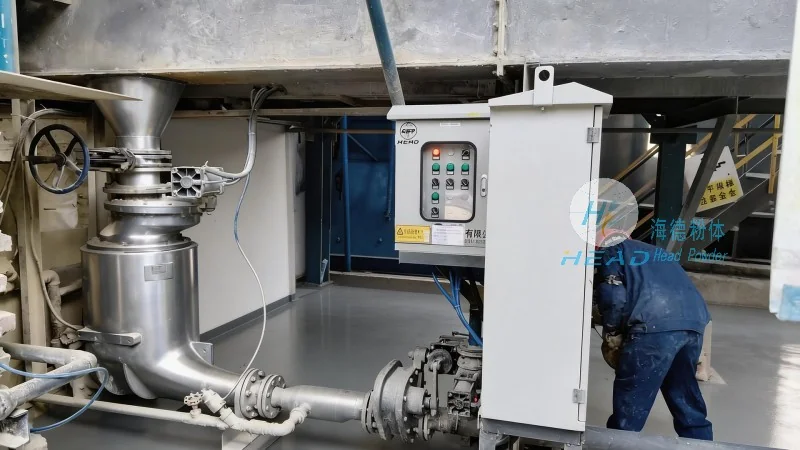
Hydraulic conveying systems employ water or other liquids to transport aluminum oxide particles. This method is particularly effective for handling wet or slurry-based mixtures, where the particles are suspended in a liquid medium. The system typically involves a pump that moves the slurry through a pipeline, with the particles being separated from the liquid at the destination. Hydraulic conveying is often used in processes where the material is already in a liquid state or when the goal is to transport the particles while maintaining a certain moisture level. HeadPowder’s expertise in hydraulic systems enables the design of efficient and cost-effective solutions that meet the specific needs of aluminum oxide transport, especially in chemical processing applications.
4. Specialized Solutions for Handling Fine Aluminum Oxide Particles
Handling fine aluminum oxide particles presents unique challenges due to their small size and tendency to create dust or clog equipment. Specialized transport methods, such as vacuum conveying or enclosed pneumatic systems, are often employed to minimize particle loss and maintain air quality. Vacuum conveying systems use a vacuum to draw particles into a collection system, which is then transported to the destination. Enclosed pneumatic systems, on the other hand, use a sealed pipeline to prevent dust emissions and ensure a clean transport environment. HeadPowder offers advanced solutions for fine particle transport, incorporating features like cyclone separators and dust collection systems to ensure compliance with environmental regulations and maintain product integrity.
5. Integration of Transport Systems with Production Processes
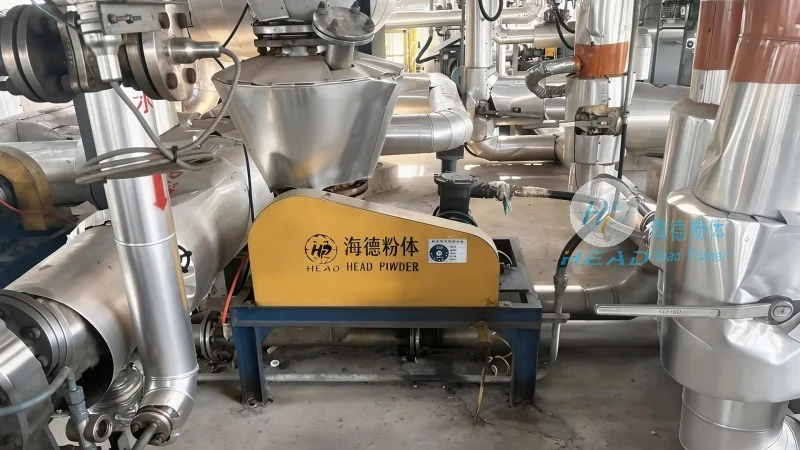
Effective aluminum oxide particle transport is not merely about moving the material from one point to another; it also involves integrating the transport system with the overall production process. This includes considerations such as material handling, storage, and processing. HeadPowder provides comprehensive transport solutions that include storage silos, feeding systems, and process integration, ensuring that the aluminum oxide particles are handled efficiently from the point of origin to the point of use. By integrating the transport system with the production line, companies can achieve higher productivity, reduced downtime, and improved overall operational efficiency.
6. Maintenance and Operational Considerations for Aluminum Oxide Transport
Proper maintenance and operational management are crucial for the long-term performance of aluminum oxide transport systems. This includes regular inspection of equipment, cleaning of pipelines, and monitoring of flow rates. HeadPowder emphasizes the importance of preventive maintenance to minimize downtime and extend the service life of the transport systems. Additionally, the company provides training and support services to help clients optimize their transport operations and address any issues that may arise. By following best practices in maintenance and operation, companies can ensure that their aluminum oxide transport systems operate at peak efficiency, delivering consistent results and meeting the demands of their production processes.

 Công ty TNHH Kỹ thuật Công trình Bột Hải Đức Sơn Đông
 156-6277-7102(Quản lý Trương)
  0531-83386006
  Quận Chương Khâu, Thành phố Tế Nam, Tỉnh Sơn Đông, Trung Quốc
Điện thoại
WeChatTư vấn
Lên đầu