Công ty Hải Đức Bột với hơn 10 năm kinh nghiệm vận chuyển khí, cung cấp hệ thống‑thiết bị‑quạt gió và nhận dự án tổng thầu bột cả nước
In the coffee processing industry, efficient and reliable coffee bean conveying is crucial for maintaining product quality and operational efficiency. Various methods are employed to transport coffee beans from one stage of processing to another, each with its own set of advantages and disadvantages. This article provides a detailed comparison of common coffee bean conveying methods, helping businesses select the most suitable option for their operations.
1. Gravity Conveying Systems
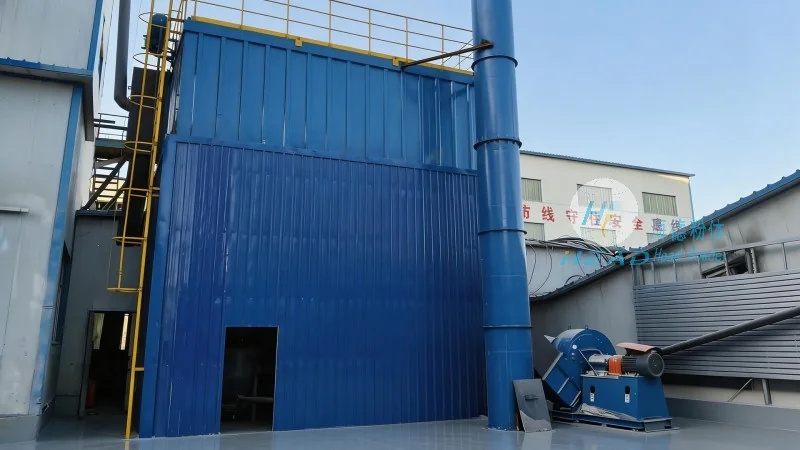
Gravity conveying systems utilize the natural force of gravity to move coffee beans along inclined chutes or channels. These systems are often simple in design, requiring minimal maintenance and energy input. The primary advantage of gravity conveying is its low operational cost, as it relies on the weight of the beans to move them without external power. However, this method is limited by the need for a suitable slope and may not be suitable for large volumes or steep inclines. Additionally, the speed of transport is relatively slow, which can be a drawback in high-throughput processing facilities.
2. Mechanical Conveying Systems
Mechanical conveying systems employ machinery such as belt conveyors, screw conveyors, and chain conveyors to transport coffee beans. These systems offer greater control over the speed and direction of movement, making them suitable for handling larger volumes and more complex processing lines. The main advantage of mechanical conveyors is their ability to operate consistently under varying conditions, ensuring reliable transport even with different bean sizes or moisture levels. However, they require regular maintenance and can be more expensive to install and operate compared to gravity systems. Additionally, mechanical parts may wear out over time, leading to increased downtime and repair costs.
3. Air Conveying Systems
Air conveying systems use air pressure or vacuum to transport coffee beans through a network of pipes. This method is particularly effective for handling fine or delicate beans, as it minimizes physical contact and reduces the risk of damage. The primary advantage of air conveying is its ability to transport beans over long distances without the need for multiple transfer points. However, this method is energy-intensive and can be costly to operate, especially for large-scale operations. Additionally, the system requires careful maintenance to prevent dust accumulation and ensure consistent air flow, which can be a challenge in dusty environments.
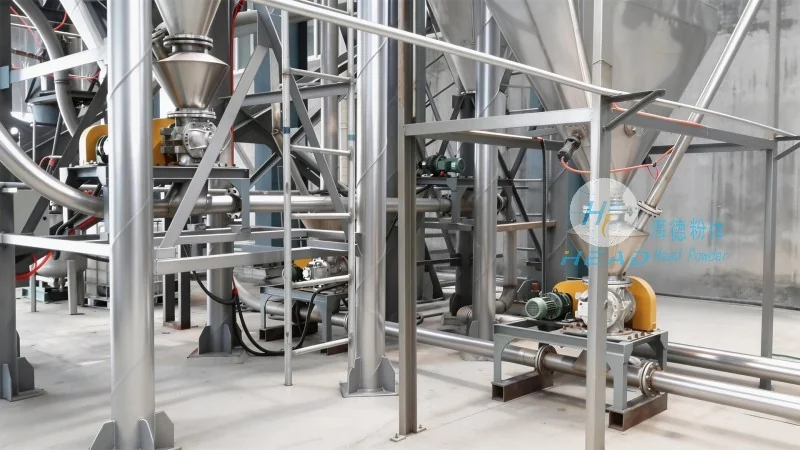
4. Combination Conveying Systems
Combination conveying systems integrate multiple methods, such as combining gravity and mechanical components, to optimize performance. For example, a system might use a gravity chute to move beans to a mechanical conveyor for further processing. This approach allows for flexibility and can address the limitations of individual methods. The main advantage of combination systems is their adaptability to different processing needs, making them suitable for diverse coffee bean types and volumes. However, they are more complex to design and maintain, requiring expertise to ensure all components work in harmony. Additionally, the initial investment and operational costs are higher compared to single-method systems.
Factors to Consider When Choosing a Conveying Method
When selecting a coffee bean conveying method, several factors must be considered to ensure optimal performance and cost-effectiveness. These include the volume of beans to be transported, the distance between processing stages, the physical characteristics of the beans (such as size and moisture content), and the available budget for installation and maintenance. Additionally, the space constraints of the facility and the need for minimal product damage are critical considerations. By evaluating these factors, businesses can choose the most suitable conveying method that aligns with their operational goals and budget constraints.
Conclusion
Each coffee bean conveying method has its own set of advantages and disadvantages, and the choice depends on the specific needs of the coffee processing facility. Gravity systems offer low cost and minimal maintenance but are limited in speed and volume. Mechanical systems provide greater control and reliability but require more maintenance and cost. Air conveying is ideal for delicate beans and long-distance transport but is energy-intensive. Combination systems offer flexibility but are more complex and expensive. Ultimately, the best choice is one that balances operational efficiency, cost, and product quality to meet the facility's requirements.
About HeadPowder Engineering
HeadPowder Engineering, a leading manufacturer based in Shandong, China, specializes in providing high-quality conveying solutions for the coffee industry. With years of experience and a commitment to innovation, HeadPowder offers a range of coffee bean conveying systems tailored to meet the unique needs of coffee processing businesses. Our products are designed to enhance operational efficiency, reduce costs, and ensure the highest quality of coffee beans throughout the processing chain. Contact us today to learn more about our conveying solutions and how we can help optimize your coffee bean handling processes.

 Công ty TNHH Kỹ thuật Công trình Bột Hải Đức Sơn Đông
 156-6277-7102(Quản lý Trương)
  0531-83386006
  Quận Chương Khâu, Thành phố Tế Nam, Tỉnh Sơn Đông, Trung Quốc
Điện thoại
WeChatTư vấn
Lên đầu