Công ty Hải Đức Bột với hơn 10 năm kinh nghiệm vận chuyển khí, cung cấp hệ thống‑thiết bị‑quạt gió và nhận dự án tổng thầu bột cả nước
When it comes to transporting edible salt, selecting the right method is crucial for efficiency, cost-effectiveness, and product integrity. Shandong HeadPowder Engineering Co., Ltd., a leading provider in the field, offers insights into the most common salt transport solutions and their respective pros and cons.
Overview of Common Salt Transport Methods
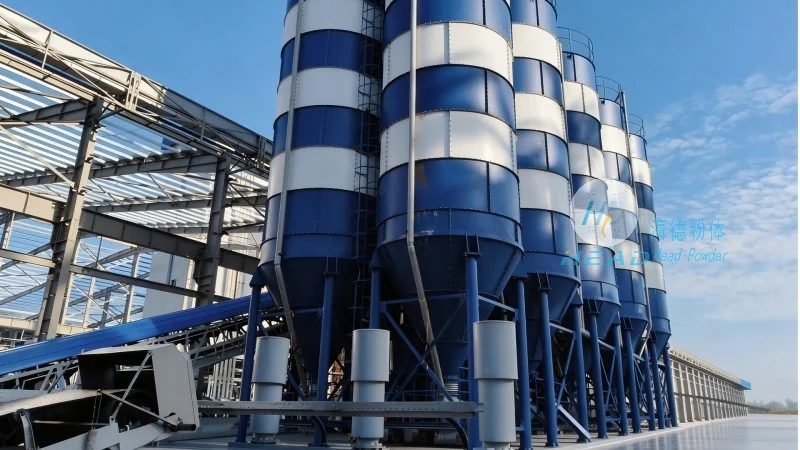
Several methods are widely used for moving edible salt from storage to processing or packaging areas. These include pneumatic conveying, screw conveyors, and pipeline systems. Each method has distinct characteristics that make it suitable for different operational needs.

Pneumatic Conveying Systems
Pneumatic conveying uses air pressure to transport salt particles through a pipeline. This method is ideal for handling fine or powdery salt, as it can move materials without direct contact, reducing the risk of contamination or degradation. The primary advantages include high capacity, flexibility in layout, and the ability to transport materials over long distances. However, it requires significant energy input and may be less efficient for very coarse salt particles. Shandong HeadPowder Engineering Co., Ltd. specializes in designing and manufacturing customized pneumatic systems tailored to specific salt characteristics and plant requirements.
Screw Conveyors
Screw conveyors utilize a rotating helical screw to move salt along a trough. This method is simple, reliable, and suitable for both dry and slightly moist salt. The main benefits are low maintenance costs, minimal space requirements, and the ability to handle a wide range of particle sizes. Screw conveyors are particularly effective for horizontal or slight incline transport. Nevertheless, they may not be suitable for very fine powders, as they can cause excessive friction and heat buildup. The company’s expertise in conveyor design ensures optimal performance and longevity for various salt types.
Pipeline Systems
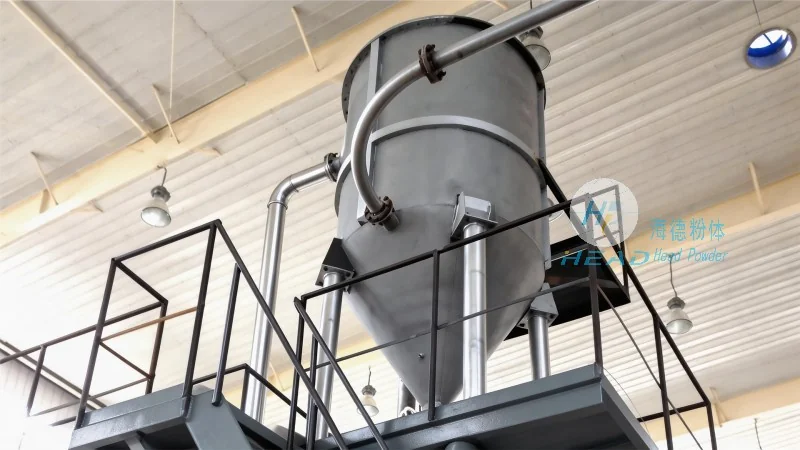
Pipeline systems involve transporting salt through closed pipes, often under pressure. This method is highly efficient for bulk transport and is commonly used in large-scale operations. The advantages include continuous operation, reduced labor costs, and the ability to integrate with other processing equipment. However, pipeline systems require regular maintenance to prevent blockages or corrosion, especially with certain salt compositions. Shandong HeadPowder Engineering Co., Ltd. provides comprehensive pipeline solutions, including material selection and installation, to ensure durability and reliability.
Choosing the Right Transport Method
The selection of a salt transport method depends on several factors, including the salt's physical properties, the distance to be covered, and the overall production scale. For instance, pneumatic conveying may be preferred for fine salt in a large processing plant, while screw conveyors are more economical for smaller operations handling coarse salt. Shandong HeadPowder Engineering Co., Ltd. offers professional consultation to help clients evaluate their specific needs and choose the most appropriate system. By understanding the advantages and limitations of each method, businesses can enhance operational efficiency and maintain product quality throughout the transport process.

 Công ty TNHH Kỹ thuật Công trình Bột Hải Đức Sơn Đông
 156-6277-7102(Quản lý Trương)
  0531-83386006
  Quận Chương Khâu, Thành phố Tế Nam, Tỉnh Sơn Đông, Trung Quốc
Điện thoại
WeChatTư vấn
Lên đầu