Công ty Hải Đức Bột với hơn 10 năm kinh nghiệm vận chuyển khí, cung cấp hệ thống‑thiết bị‑quạt gió và nhận dự án tổng thầu bột cả nước
Bauxite, a critical raw material for aluminum production, demands efficient and reliable transport systems to move it from mining sites to processing facilities. HeadPowder, a leading engineering company headquartered in Shandong, China, specializes in designing and implementing diverse bauxite transport methods tailored to varying operational requirements. This article provides a detailed comparison of common bauxite transport approaches, highlighting their pros and cons to assist industrial clients in making informed decisions.
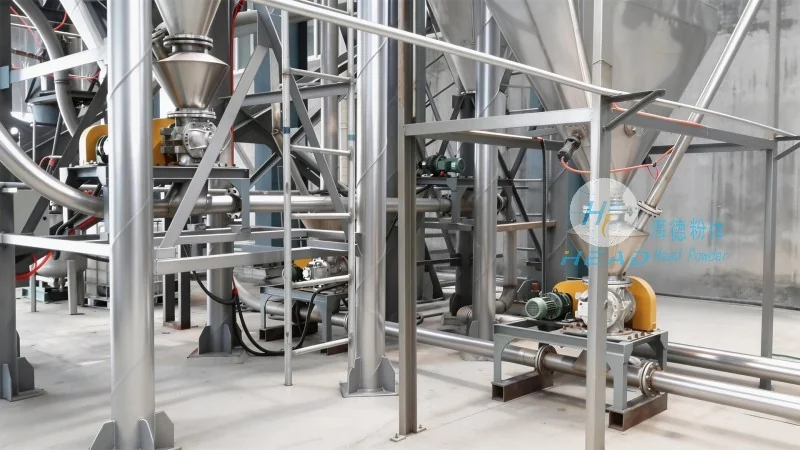
1. Belt Conveyor Systems: The Industry Workhorse
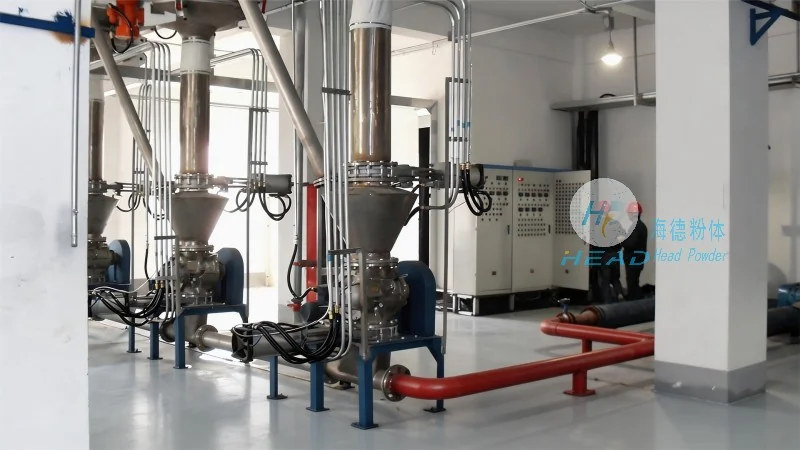
Belt conveyors are among the most widely utilized bauxite transport methods due to their versatility and efficiency. These systems feature a continuous loop of conveyor belt that moves material along a fixed path. HeadPowder’s expertise in belt conveyor design ensures these systems can handle large volumes of bauxite with minimal maintenance. The primary advantages of belt conveyors include high capacity, low energy consumption, and the ability to transport material over long distances. However, they have limitations, such as susceptibility to damage from heavy impacts or sharp objects, and the need for regular belt tension adjustments. Additionally, belt conveyors may not be suitable for steep inclines or uneven terrain without specialized modifications.
2. Bucket Elevators: Vertical Transport Excellence
For vertical bauxite transport, bucket elevators offer a reliable solution. These systems use a series of buckets attached to a belt or chain that travels in a vertical or near-vertical shaft. HeadPowder designs bucket elevators to ensure smooth and consistent material movement, even with high-density bauxite. The key benefits of bucket elevators include their ability to transport material vertically without complex infrastructure and low space requirements. Nevertheless, bucket elevators have drawbacks, including higher initial costs compared to other methods and potential wear on buckets and chains over time. They also require careful maintenance to prevent material spillage and ensure operational safety.
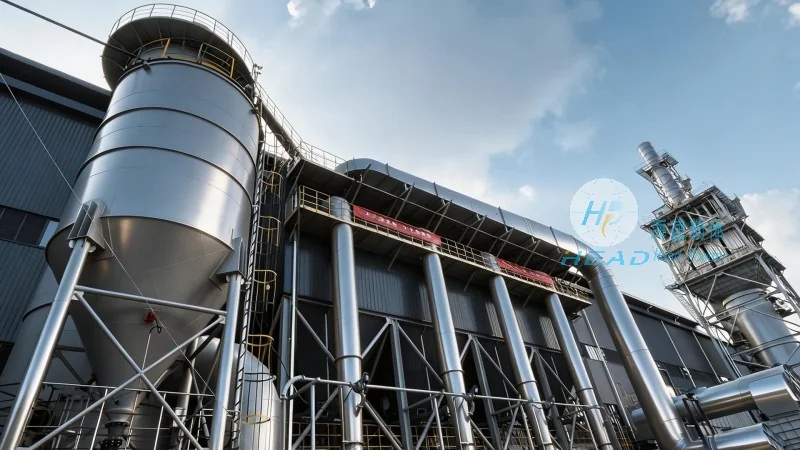
3. Pneumatic Conveying Systems: Flexible and Durable
Pneumatic conveying systems utilize air pressure to transport bauxite through a network of pipes. HeadPowder’s pneumatic conveying solutions are engineered to handle fine or powdery bauxite particles, making them ideal for applications requiring dust control. The advantages of pneumatic conveying include the ability to transport material over long horizontal distances, minimal material degradation, and multiple delivery points. However, these systems have significant disadvantages, such as higher energy consumption compared to mechanical systems, the need for air filtration to prevent dust accumulation, and potential blockages in the pipe system if the material is too dense or contains moisture.
4. Screw Conveyors: Compact and Low-Profile Solutions
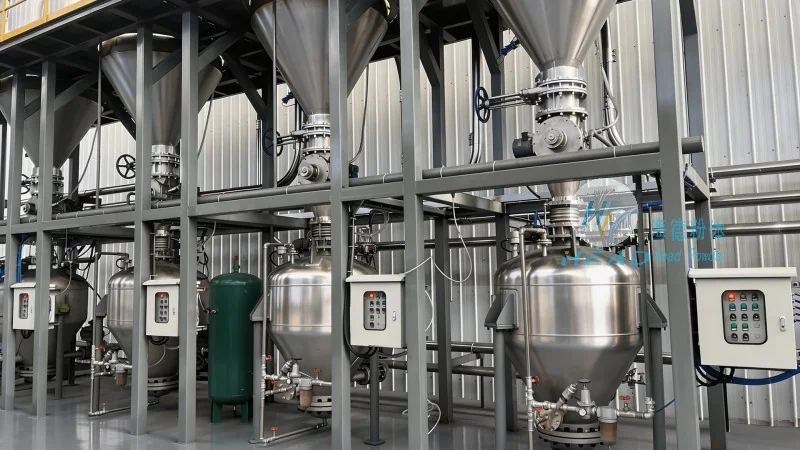
Screw conveyors, also known as auger conveyors, are used for horizontal or slight incline transport of bauxite. These systems consist of a rotating screw inside a trough that moves material forward. HeadPowder designs screw conveyors to handle bulk bauxite with consistent performance. The main advantages of screw conveyors include compact design, low cost, and simplicity of operation. However, they have limitations, such as lower capacity compared to belt conveyors, potential material degradation due to friction, and the need for regular cleaning to prevent clogging. Screw conveyors are particularly suitable for short-distance transport or when space is limited.
5. Comparing Methods: Choosing the Right Solution
When selecting a bauxite transport method, industrial clients must consider factors like material volume, distance/elevation changes, material characteristics (e.g., size, moisture), and budget. HeadPowder provides comprehensive engineering services to assess these factors and recommend the most suitable transport system. For instance, belt conveyors are often the best choice for long-distance horizontal transport of large bauxite lumps, while bucket elevators are ideal for vertical transport in processing plants. Pneumatic conveying may be preferred for fine bauxite in dust-sensitive environments, and screw conveyors are suitable for short, low-capacity horizontal transport.

 Công ty TNHH Kỹ thuật Công trình Bột Hải Đức Sơn Đông
 156-6277-7102(Quản lý Trương)
  0531-83386006
  Quận Chương Khâu, Thành phố Tế Nam, Tỉnh Sơn Đông, Trung Quốc
Điện thoại
WeChatTư vấn
Lên đầu