Công ty Hải Đức Bột với hơn 10 năm kinh nghiệm vận chuyển khí, cung cấp hệ thống‑thiết bị‑quạt gió và nhận dự án tổng thầu bột cả nước
Efficient cotton fiber conveying is crucial in the textile industry, as it directly impacts production efficiency, material handling costs, and overall operational safety. Various methods are employed to transport cotton fibers from one location to another, each with its own set of advantages and disadvantages. This article provides a detailed comparison of common cotton fiber conveying methods, helping industry professionals make informed decisions based on their specific operational needs.
Screw Conveyors: A Traditional and Reliable Option
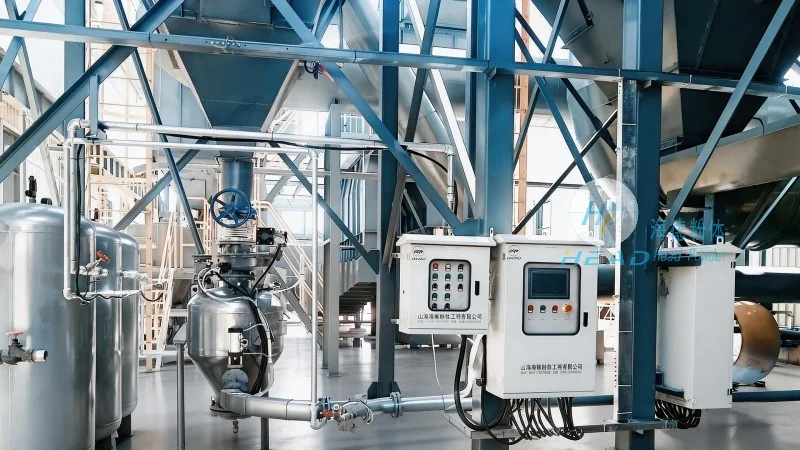
Screw conveyors, also known as auger conveyors, are among the most widely used systems for cotton fiber transport. These devices consist of a rotating helical screw inside a cylindrical housing, which moves material along the length of the conveyor. The primary advantage of screw conveyors is their simplicity and low maintenance requirements. They are particularly effective for handling bulk materials with consistent flow characteristics, such as cotton fibers, and can operate in a variety of environments, including dusty or humid conditions. Additionally, screw conveyors are relatively inexpensive to install and maintain, making them a cost-effective solution for many textile facilities.
However, screw conveyors have several limitations that must be considered. One major drawback is their limited capacity for handling abrasive or sticky materials, which can cause wear and tear on the screw and housing. Furthermore, they are not well-suited for long-distance transport, as the friction and resistance increase significantly over longer distances, reducing efficiency. Another disadvantage is that they may not be ideal for transporting materials with high moisture content, as the screw can become clogged or inefficient. Overall, screw conveyors are best suited for short to medium-distance transport of relatively dry and non-abrasive cotton fibers.
Pneumatic Conveying Systems: High-Speed and Flexible Solutions
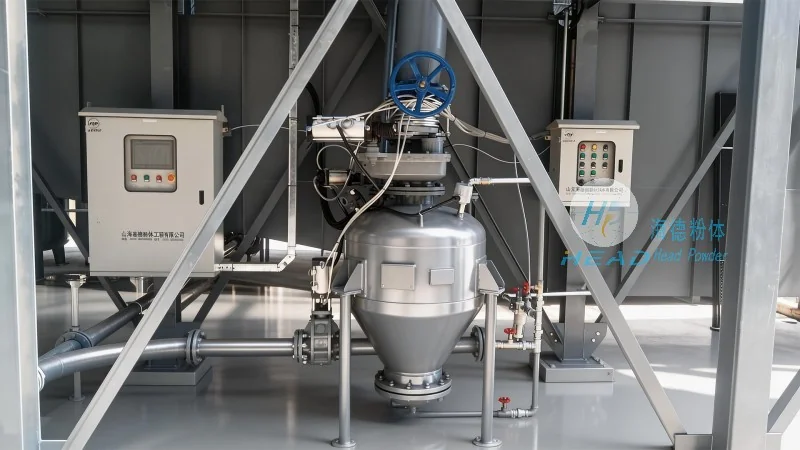
Pneumatic conveying systems use air or gas to transport cotton fibers through a pipeline network. These systems can be categorized into two main types: pressure and vacuum. Pressure systems push material through the pipeline using compressed air, while vacuum systems draw material into the pipeline using a vacuum pump. The primary advantage of pneumatic conveying is its ability to transport materials over long distances with minimal loss of material quality. This method is particularly effective for handling fine or delicate cotton fibers, as it reduces the risk of breakage or contamination compared to mechanical systems.
Another key advantage is the flexibility of pneumatic conveying systems. They can be easily integrated into existing production lines and reconfigured to accommodate changes in production volume or material flow. Additionally, these systems can handle a wide range of materials, including those with high moisture content or sticky properties, as the air flow helps to prevent clogging. However, pneumatic conveying has significant drawbacks, including higher energy consumption compared to mechanical systems. The need for compressed air or vacuum pumps increases operational costs, and the systems are more complex to install and maintain. Furthermore, the high velocity of air can cause material degradation, especially for sensitive cotton fibers, and the systems may require additional filtration to prevent dust accumulation in the environment.
Belt Conveyors: Versatile and Durable for Heavy Loads
Belt conveyors use a continuous belt to transport cotton fibers horizontally or at a slight incline. The belt is typically made of rubber or synthetic materials and is supported by rollers or idlers. This method is particularly effective for handling heavy or bulky cotton fiber loads, as the belt can support significant weight without deforming. The primary advantage of belt conveyors is their high capacity and ability to transport materials over long distances with minimal maintenance. They are also versatile, as they can be used in various applications, including sorting, packaging, and material transfer between different stages of the textile production process.
However, belt conveyors have limitations related to their design and operation. One major drawback is their susceptibility to damage from abrasive materials, which can cause the belt to wear out quickly. Additionally, they are not suitable for transporting materials with high moisture content, as the belt may become slippery or clogged. Another disadvantage is that they require regular maintenance to ensure proper alignment and tension, as misalignment can lead to increased wear and reduced efficiency. Furthermore, belt conveyors are generally more expensive to install than other mechanical systems, and their footprint is larger, requiring more space in the production facility.
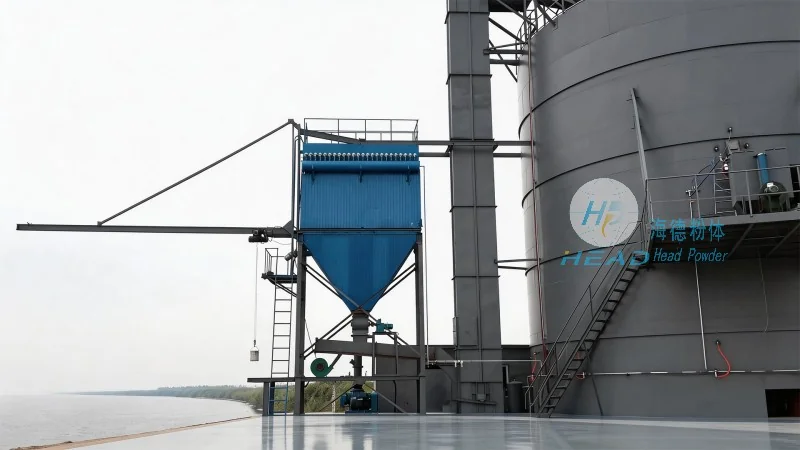
HeadPowder Engineering: Expert Solutions for Cotton Fiber Conveying
Shandong HeadPowder Engineering Co., Ltd., a leading provider of industrial conveying solutions, specializes in designing and manufacturing customized cotton fiber conveying systems tailored to the specific needs of textile manufacturers. With years of experience in the industry, HeadPowder has developed a deep understanding of the challenges associated with cotton fiber transport and offers innovative solutions to address these issues. The company's expertise lies in integrating different conveying technologies, such as screw conveyors, pneumatic systems, and belt conveyors, into comprehensive systems that optimize material flow, reduce operational costs, and enhance overall production efficiency.
HeadPowder's approach to cotton fiber conveying is centered on understanding the unique requirements of each client. By conducting thorough site assessments and analyzing production processes, the company can recommend the most suitable conveying method or a combination of methods that maximizes performance and minimizes downtime. The company's team of engineers and technicians work closely with clients to design, install, and maintain conveying systems that meet the highest standards of quality and reliability. Whether it's a new installation or an upgrade to an existing system, HeadPowder provides comprehensive support to ensure that clients achieve their operational goals.
HeadPowder's commitment to customer satisfaction is reflected in its comprehensive service offerings. The company offers technical support, maintenance services, and training programs to help clients maximize the performance of their conveying systems. Additionally, HeadPowder's products are designed with durability and longevity in mind, using high-quality materials and advanced manufacturing techniques to ensure long-term reliability. By partnering with HeadPowder, textile manufacturers can benefit from expert guidance and cutting-edge solutions that enhance their production capabilities and improve their bottom line.

 Công ty TNHH Kỹ thuật Công trình Bột Hải Đức Sơn Đông
 156-6277-7102(Quản lý Trương)
  0531-83386006
  Quận Chương Khâu, Thành phố Tế Nam, Tỉnh Sơn Đông, Trung Quốc
Điện thoại
WeChatTư vấn
Lên đầu