Công ty Hải Đức Bột với hơn 10 năm kinh nghiệm vận chuyển khí, cung cấp hệ thống‑thiết bị‑quạt gió và nhận dự án tổng thầu bột cả nước
Camellia seed conveying is a critical process in the oil extraction industry, as the efficiency and effectiveness of the conveying method directly impact the overall production quality and operational costs. For businesses dealing with camellia seeds, selecting the right conveying method is essential to ensure smooth operations and optimal results. This article provides a detailed comparison of common camellia seed conveying methods, highlighting their advantages and disadvantages to help industry professionals make informed decisions. Shandong HeadPowder Engineering Co., Ltd. offers expert guidance and customized solutions to help businesses choose the most suitable conveying method for their specific needs.
Overview of Key Conveying Methods
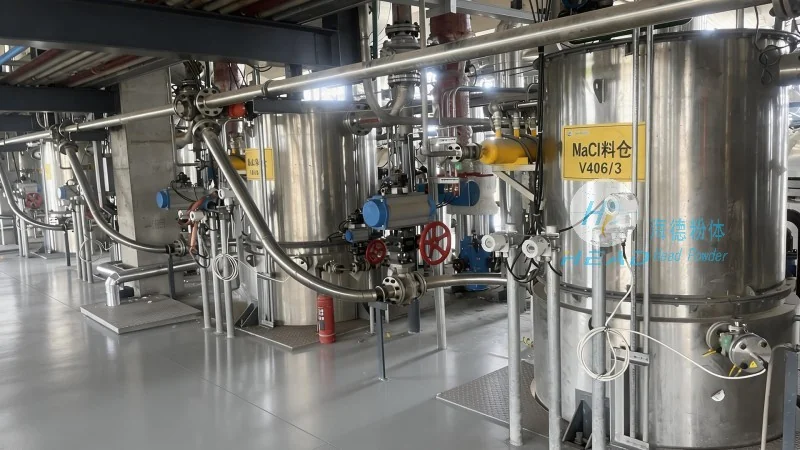
There are several primary methods used for conveying camellia seeds, each with distinct characteristics and applications. The most common approaches include mechanical conveyors, pneumatic conveying systems, and manual or semi-automated methods. Each method has its own set of advantages and limitations, which are discussed below.
1. Mechanical Conveyors: Traditional and Reliable
Mechanical conveyors, such as belt conveyors, screw conveyors, and bucket elevators, are widely used in camellia seed processing facilities. These systems rely on mechanical components to transport seeds from one location to another. The primary advantage of mechanical conveyors is their reliability and durability. They can handle large volumes of seeds with minimal maintenance, making them suitable for continuous production operations. Additionally, mechanical conveyors are generally cost-effective in the long run, as they have lower energy consumption compared to some other methods. However, they may require more space and can be less flexible in terms of route changes. The mechanical components also need regular inspection and maintenance to prevent breakdowns, which can disrupt production schedules.
2. Pneumatic Conveying Systems: Efficient and Flexible
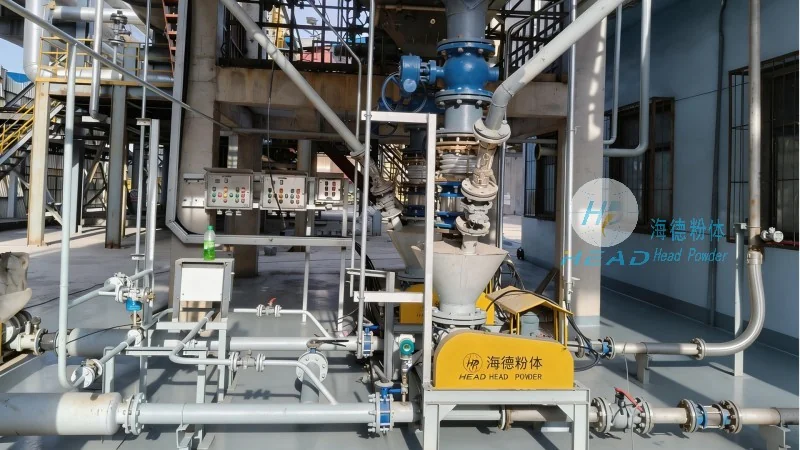
Pneumatic conveying systems use air pressure to transport camellia seeds through a network of pipes. This method is particularly suitable for transporting seeds over longer distances or in complex layouts. One of the main advantages of pneumatic conveying is its high efficiency and speed. Seeds can be moved quickly and with minimal handling, reducing the risk of damage. The system is also relatively flexible, allowing for changes in the conveying route without major modifications. However, pneumatic conveying can be more expensive to install and maintain compared to mechanical conveyors. It requires a consistent air supply and may experience pressure drops over long distances, which can affect performance. Additionally, the system may not be as effective for very fine or powdery seeds, as they can cause blockages in the pipes.
3. Manual and Semi-Automated Conveying: Cost-Effective for Small-Scale Operations
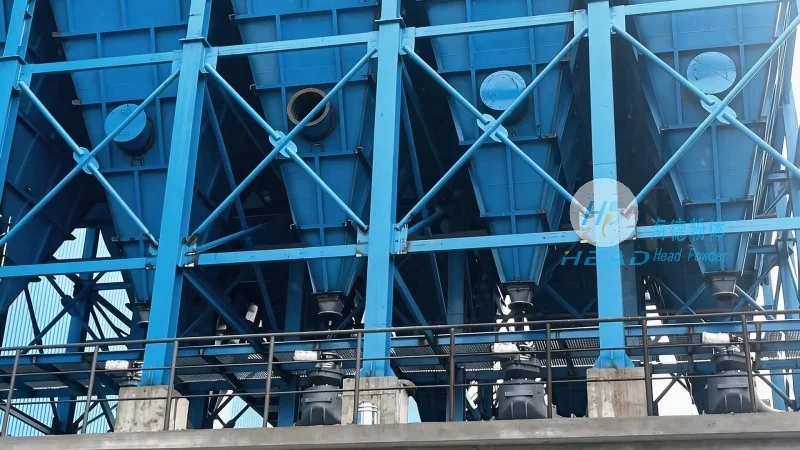
For small-scale or low-volume operations, manual or semi-automated conveying methods may be more practical. These methods involve human labor or simple mechanical aids, such as gravity chutes or small conveyors, to move seeds. The primary advantage of these methods is their low cost and simplicity. They require minimal investment and can be easily adapted to existing facilities. However, manual conveying is labor-intensive and can be slow, leading to lower productivity. It also increases the risk of human error and variability in the process. Semi-automated methods, such as using small conveyor belts or gravity feeders, can improve efficiency but still rely on human intervention for loading and unloading. This method is suitable for businesses with limited budgets and low production volumes.
Advantages and Disadvantages Summary
When evaluating the different camellia seed conveying methods, it is important to consider both the advantages and disadvantages of each. Mechanical conveyors offer reliability and cost-effectiveness but require more space and maintenance. Pneumatic systems provide efficiency and flexibility but are more expensive and may have performance limitations. Manual or semi-automated methods are cost-effective for small operations but are less efficient and more labor-intensive. The choice of method depends on factors such as production volume, facility layout, budget, and operational requirements.
Conclusion and Recommendations
Choosing the right camellia seed conveying method is a critical decision for any oil extraction business. The optimal method will vary depending on the specific needs of the operation. For large-scale, high-volume production, mechanical conveyors or pneumatic systems may be more suitable. For small-scale operations with limited budgets, manual or semi-automated methods may be more practical. It is recommended that businesses conduct a thorough analysis of their production requirements, including volume, distance, and budget, before selecting a conveying method. Additionally, considering the long-term maintenance and operational costs is essential to ensure the chosen method remains efficient and cost-effective over time. Shandong HeadPowder Engineering Co., Ltd. can assist with this analysis and provide tailored solutions to meet the unique needs of each client.

 Công ty TNHH Kỹ thuật Công trình Bột Hải Đức Sơn Đông
 156-6277-7102(Quản lý Trương)
  0531-83386006
  Quận Chương Khâu, Thành phố Tế Nam, Tỉnh Sơn Đông, Trung Quốc
Điện thoại
WeChatTư vấn
Lên đầu