Công ty Hải Đức Bột với hơn 10 năm kinh nghiệm vận chuyển khí, cung cấp hệ thống‑thiết bị‑quạt gió và nhận dự án tổng thầu bột cả nước
When it comes to the safe and efficient delivery of sodium hydroxide (also known as caustic soda), selecting the right method is crucial for industrial applications. This article provides a detailed comparison of common sodium hydroxide delivery methods, highlighting their advantages and disadvantages to help industrial operators make informed decisions. The information is presented by Shandong HeadPowder Engineering Co., Ltd., a leading provider of chemical handling solutions based in Shandong, China.
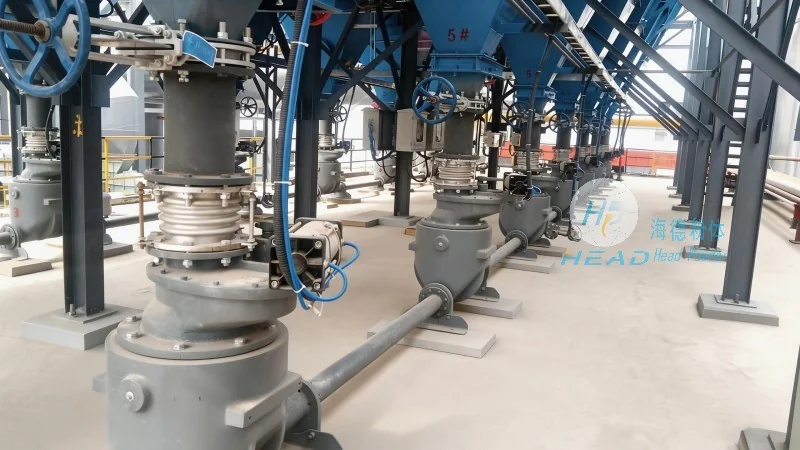
Introduction to Sodium Hydroxide and Delivery Challenges
Sodium hydroxide is a highly caustic and corrosive chemical widely used in various industries, including pulp and paper, chemical manufacturing, and water treatment. Its delivery requires specialized equipment and procedures to ensure safety and prevent damage to infrastructure. The choice of delivery method depends on factors such as the volume of the substance, the distance to be transported, the required flow rate, and the environmental regulations in the area. Understanding the pros and cons of each method is essential for optimizing operational efficiency and minimizing risks.
Company Overview: Shandong HeadPowder Engineering Co., Ltd.
As a reputable enterprise in the chemical engineering sector, Shandong HeadPowder Engineering Co., Ltd. specializes in providing comprehensive solutions for chemical handling, including the design, installation, and maintenance of sodium hydroxide delivery systems. With a strong commitment to quality and safety, the company serves a diverse range of industrial clients, ensuring that their chemical delivery processes meet the highest standards. HeadPowder's expertise in chemical engineering and material handling makes them a trusted partner for businesses seeking reliable sodium hydroxide delivery solutions.
Common Sodium Hydroxide Delivery Methods
Pump-Sourced Delivery via Piping Systems
One of the most common methods for delivering sodium hydroxide is through pump-sourced systems utilizing piping networks. This approach involves pumping the caustic solution from storage tanks to the point of use via a network of pipes. The advantages of this method include high flow rates, consistent pressure, and the ability to deliver the chemical to multiple locations from a single source. The system can be automated, reducing the need for manual intervention and minimizing human exposure to the hazardous substance. However, the disadvantages include the high initial investment required for the piping infrastructure and the potential for corrosion over time, which may necessitate regular maintenance and replacement of components.
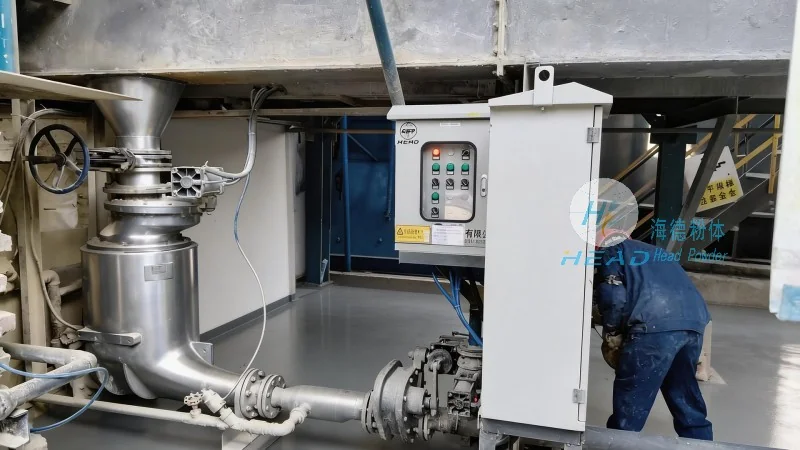
Truck-Mounted Tanker Delivery
Truck-mounted tanker delivery is another widely used method, particularly for bulk deliveries of sodium hydroxide. Tankers are equipped with specialized pumps and valves to safely transfer the chemical from the truck to the receiving storage tanks at the customer's facility. The advantages of this method include flexibility in terms of delivery volume and location, as tankers can travel to various sites. It also allows for the delivery of large quantities in a single trip, reducing the number of deliveries needed. The disadvantages include the need for skilled operators to handle the tanker and the potential for spills or leaks during loading and unloading, which can pose environmental and safety risks. Additionally, the delivery schedule may be subject to traffic conditions and regulatory permits.
Bagged or Bulk Bag Delivery
For smaller-scale applications or where liquid delivery is not feasible, bagged or bulk bag delivery of sodium hydroxide is an option. The chemical is packaged in heavy-duty bags designed to withstand the corrosive nature of the substance. The advantages of this method include ease of storage and handling, as the bags can be stored in designated areas without the need for complex piping systems. It also allows for the delivery of smaller quantities, making it suitable for businesses with lower demand. However, the disadvantages include the higher cost per unit compared to bulk liquid delivery, as the packaging and handling processes add to the overall cost. Additionally, the volume of space required for storage and the potential for dust or spills during handling can be concerns.
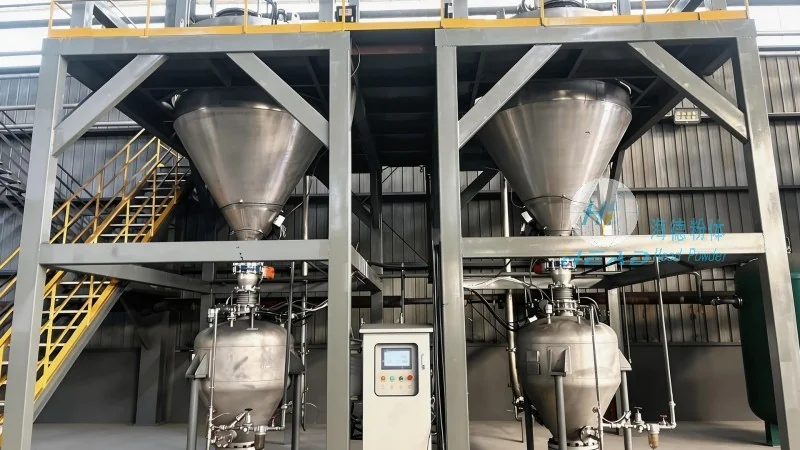
Comparative Analysis of Delivery Methods
When comparing the different sodium hydroxide delivery methods, several factors must be considered to determine the most suitable option for a specific application. Pump-sourced piping systems offer high efficiency and automation but require significant upfront investment and maintenance. Truck-mounted tankers provide flexibility and bulk delivery capabilities but involve operational risks and logistical considerations. Bagged delivery is suitable for smaller volumes and easier storage but is more expensive and less efficient for large-scale operations. The choice ultimately depends on the specific needs of the industrial process, including the required flow rate, delivery volume, and budget constraints.
Key Considerations for Choosing the Right Delivery Method
Industrial operators should evaluate several key factors when selecting a sodium hydroxide delivery method. First, the volume and frequency of delivery are critical. For high-volume, continuous operations, pump-sourced systems are often the most efficient. For bulk deliveries to multiple sites, truck-mounted tankers may be more cost-effective. Second, the distance between the storage facility and the point of use influences the choice. Short distances may allow for simpler piping systems, while longer distances may require more robust tanker or bulk bag delivery options. Third, safety and environmental regulations must be considered. All delivery methods must comply with local and national regulations regarding the handling and transportation of hazardous chemicals. Finally, the operational budget and maintenance capabilities of the company play a role in the decision-making process. Investing in proper training for operators and regular maintenance of equipment can mitigate risks and ensure the long-term effectiveness of the delivery system.
Conclusion
Choosing the appropriate sodium hydroxide delivery method is a critical decision for industrial operations, balancing efficiency, safety, and cost. By understanding the advantages and disadvantages of each method, businesses can select the most suitable option for their specific needs. Shandong HeadPowder Engineering Co., Ltd. offers expert guidance and customized solutions to help clients optimize their sodium hydroxide delivery processes, ensuring compliance with safety standards and operational efficiency. Whether through pump-sourced piping, truck-mounted tankers, or bagged delivery, the right method can enhance productivity and minimize risks in the handling of this essential chemical.

 Công ty TNHH Kỹ thuật Công trình Bột Hải Đức Sơn Đông
 156-6277-7102(Quản lý Trương)
  0531-83386006
  Quận Chương Khâu, Thành phố Tế Nam, Tỉnh Sơn Đông, Trung Quốc
Điện thoại
WeChatTư vấn
Lên đầu