Công ty Hải Đức Bột với hơn 10 năm kinh nghiệm vận chuyển khí, cung cấp hệ thống‑thiết bị‑quạt gió và nhận dự án tổng thầu bột cả nước
Transporting potassium sulfate efficiently and safely is a critical aspect of supply chain management. Various methods are utilized depending on the scale of operation, distance, and the physical properties of the material. These approaches are designed to minimize handling, reduce contamination risks, and ensure timely delivery to end-users. The following sections outline the most common transportation methods for potassium sulfate, providing insights into their applications and benefits.
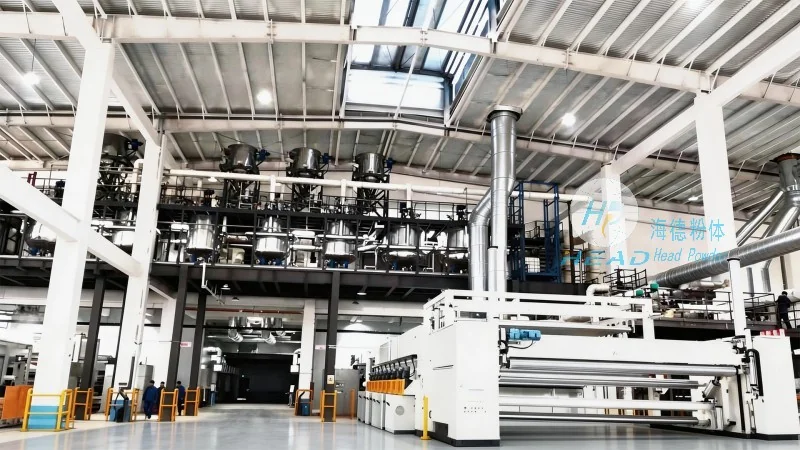
1. Pipeline Transportation
Pipeline transportation is a widely used method for moving potassium sulfate, especially over long distances. This method involves pumping the material through a network of pipes, which can be buried or above ground. The system typically includes a pumping station, storage tanks, and a series of pipelines that connect production facilities to distribution centers or end-users. For companies like Shandong HeadPowder Engineering Co., Ltd., pipeline systems are often integrated with advanced control technologies to monitor flow rates, pressure, and temperature, ensuring optimal performance. This approach is particularly effective for bulk quantities and reduces the need for frequent loading and unloading, thereby minimizing handling-related risks and costs.
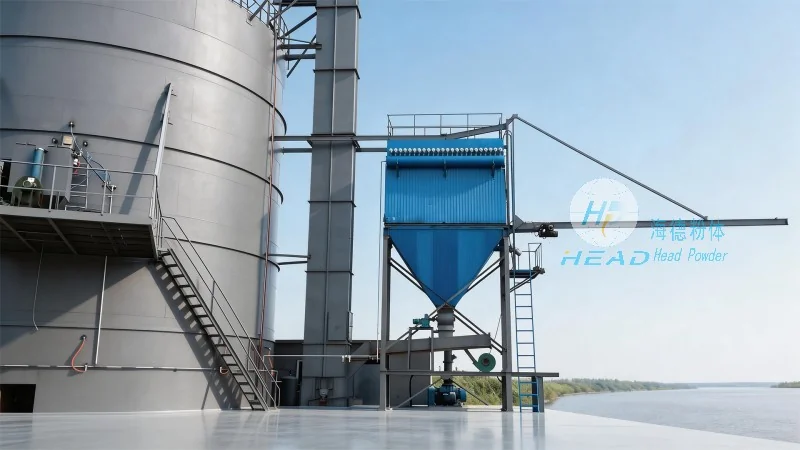
2. Tank Truck Transportation
For shorter distances or when direct delivery to a specific location is required, tank truck transportation is a common choice. Tank trucks are specialized vehicles equipped with insulated or temperature-controlled tanks to maintain the integrity of the potassium sulfate. These trucks are designed to handle the material's properties, such as its density and potential reactivity, ensuring safe transit. The process involves loading the material into the tank at the production site, then transporting it to the destination. Upon arrival, the material is unloaded using pumps or other equipment. This method is flexible and can accommodate varying quantities, making it suitable for both small and large orders. Companies like HeadPowder leverage their expertise in handling such materials to ensure compliance with safety regulations and efficient delivery.
3. Bulk Bag (FIBC) Transportation
Bulk bag transportation is another prevalent method, especially for smaller to medium-sized shipments. Bulk bags, or flexible intermediate bulk containers (FIBCs), are large, reusable bags made of durable materials like polypropylene. They are designed to hold substantial quantities of potassium sulfate and are often used in conjunction with forklifts or cranes for loading and unloading. This method is advantageous for its cost-effectiveness and ease of handling, as bulk bags can be easily transferred between trucks, storage facilities, and processing plants. The bags are typically sealed and labeled to prevent contamination and ensure proper identification. For businesses operating in the potassium sulfate industry, bulk bag transportation offers a balance between efficiency and flexibility, allowing for quick turnaround times and reduced storage space requirements.
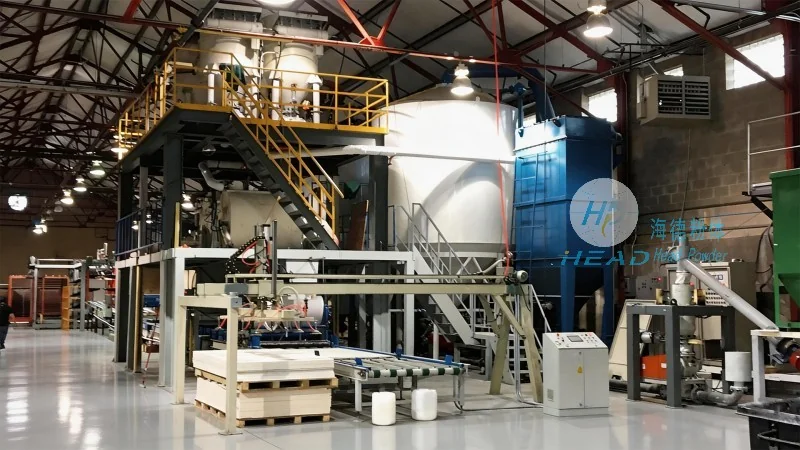
4. Containerized Transportation
Containerized transportation is used for international or long-distance shipments, where the material is loaded into standard shipping containers. These containers are sealed and can be transported via ships, trains, or trucks. The use of containers provides additional protection against environmental factors and ensures that the potassium sulfate remains in good condition during transit. This method is particularly important for maintaining the quality of the product, as it minimizes exposure to moisture, temperature fluctuations, and other external elements. Companies like Shandong HeadPowder Engineering Co., Ltd. often utilize containerized transportation for their international clients, ensuring that the product meets the required standards and arrives at its destination in optimal condition.
Conclusion
In summary, the choice of transportation method for potassium sulfate depends on various factors, including the scale of operation, distance, and the specific needs of the end-user. Pipeline transportation is ideal for large-scale, long-distance movements, while tank trucks and bulk bags offer flexibility for shorter distances and smaller quantities. Containerized transportation is essential for international trade, providing secure and efficient delivery. Companies such as Shandong HeadPowder Engineering Co., Ltd. play a vital role in implementing these methods, leveraging their expertise to ensure that potassium sulfate is transported safely and efficiently. By understanding and selecting the appropriate transportation method, businesses can optimize their supply chain, reduce costs, and maintain the quality of their potassium sulfate products.

 Công ty TNHH Kỹ thuật Công trình Bột Hải Đức Sơn Đông
 156-6277-7102(Quản lý Trương)
  0531-83386006
  Quận Chương Khâu, Thành phố Tế Nam, Tỉnh Sơn Đông, Trung Quốc
Điện thoại
WeChatTư vấn
Lên đầu