Công ty Hải Đức Bột với hơn 10 năm kinh nghiệm vận chuyển khí, cung cấp hệ thống‑thiết bị‑quạt gió và nhận dự án tổng thầu bột cả nước
When it comes to the transportation of potassium carbonate, several common methods are widely used in industrial and commercial applications. These methods are designed to ensure the safe, efficient, and cost-effective movement of this essential chemical, which is widely utilized in various industries such as pharmaceuticals, food processing, and chemical manufacturing. Understanding these common transportation methods is crucial for businesses that rely on consistent supply chains and efficient logistics.
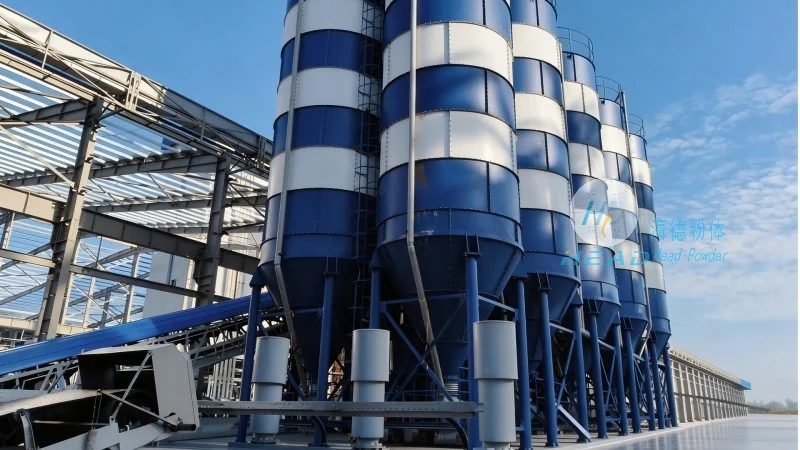
Common Transportation Methods for Potassium Carbonate
Potassium carbonate, also known as potash or pearl ash, is a white, crystalline solid that is highly soluble in water. Due to its importance in multiple sectors, its transportation requires careful planning and adherence to safety standards. The following are some of the most common methods used for transporting potassium carbonate:
1. Bulk Tanker Trucks
Bulk tanker trucks are one of the most prevalent methods for transporting potassium carbonate over land. These specialized vehicles are equipped with insulated tanks that can maintain the chemical's temperature and prevent moisture absorption. The tanks are typically made of stainless steel or other corrosion-resistant materials to ensure the integrity of the product during transit. HeadPowder, a leading provider in the field, utilizes advanced tanker designs that minimize product degradation and ensure compliance with environmental regulations. The company's fleet is regularly inspected and maintained to guarantee the highest standards of safety and efficiency. When transporting potassium carbonate via bulk tanker trucks, proper loading and unloading procedures are critical to prevent spills and ensure the product remains in its optimal state. This method is particularly suitable for long-distance transportation within regions, as it allows for large volumes to be moved at once, reducing overall transportation costs.
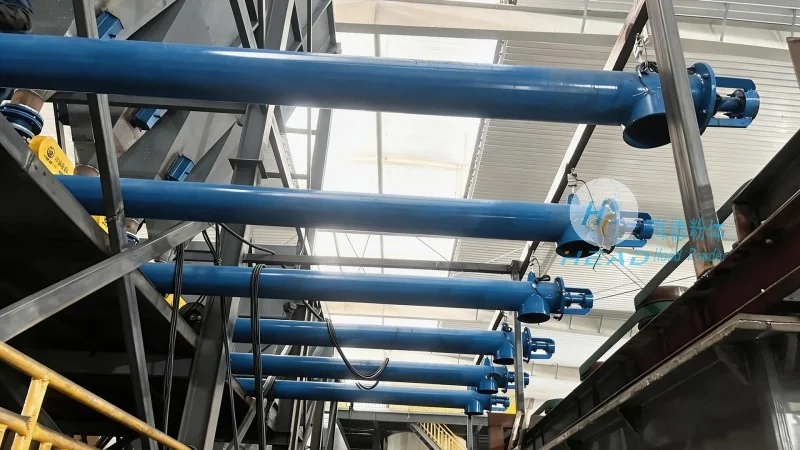
2. Bulk Railcars
For intercity or long-distance transportation, bulk railcars offer a highly efficient solution. These railcars are specifically designed to carry large quantities of bulk materials, including potassium carbonate. The railcars are equipped with sealed compartments that protect the product from external factors such as temperature fluctuations and moisture. HeadPowder Engineering Co., Ltd., based in Shandong, China, has extensive experience in managing rail transportation for potassium carbonate. The company's logistics team works closely with railway operators to optimize routes and schedules, ensuring timely delivery. Rail transportation is often more cost-effective for large-scale operations compared to road transport, as it can carry significantly more volume with fewer emissions per ton. This method is ideal for companies that require consistent, large-scale supply of potassium carbonate to their production facilities.
3. Containerized Shipping
Containerized shipping, including both 20ft and 40ft containers, is commonly used for international and cross-regional transportation of potassium carbonate. These containers are designed to be sealed and weatherproof, providing an additional layer of protection for the product. HeadPowder Engineering Co., Ltd. specializes in handling containerized shipments, ensuring that all necessary documentation and safety protocols are followed. The company's facilities in Shandong, China, are equipped with modern loading and unloading equipment to facilitate smooth operations. Containerized shipping allows for easy transfer between different modes of transport, such as from trucks to ships, making it a versatile option for global supply chains. This method is particularly advantageous for businesses that operate on an international scale, as it provides flexibility and reliability in moving large volumes of potassium carbonate across borders.
4. Bulk Shipments via Vessels
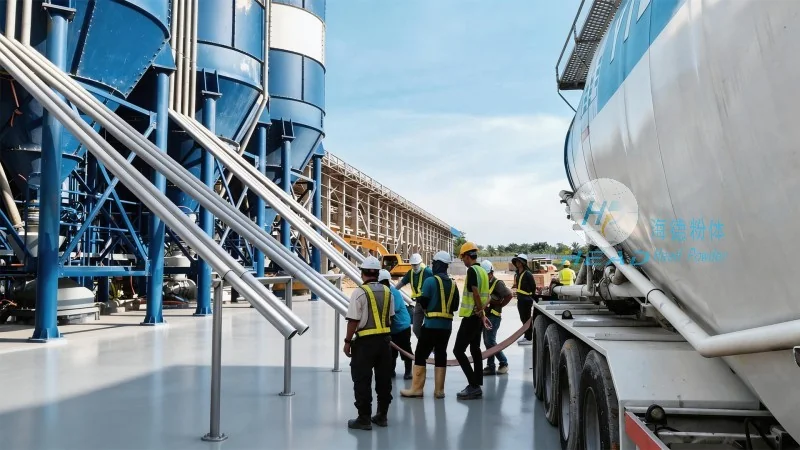
For long-distance international transport, bulk shipments via specialized vessels are a common choice. These vessels are equipped with dedicated holds that can carry large quantities of bulk chemicals. HeadPowder Engineering Co., Ltd. has established partnerships with major shipping lines to ensure reliable and cost-effective delivery of potassium carbonate to global markets. The company's logistics expertise ensures that all safety and regulatory requirements are met during sea transport. This method is particularly suitable for companies that have international clients or require a steady supply of potassium carbonate from overseas sources. Bulk ship transport is generally more economical for very large volumes, as the cost per ton decreases with increased shipment size. However, it may involve longer transit times compared to road or rail transport.
5. Bulk Bag (FIBC) Transportation
Bulk bag or flexible intermediate bulk container (FIBC) transportation is another common method, especially for smaller to medium-sized shipments. These bags are made of durable fabric and are designed to hold large quantities of bulk materials in a compact form. HeadPowder provides bulk bags for potassium carbonate, ensuring that the product is protected from moisture and contamination. The bags are typically loaded into trucks or containers for transport, making them suitable for both local and regional deliveries. This method is advantageous for businesses that require flexibility in their supply chain, as bulk bags can be easily handled and stored. They are particularly useful for companies that need to transport potassium carbonate to smaller production sites or for use in on-site applications. The use of bulk bags also reduces the risk of product spillage and damage during handling, contributing to overall operational efficiency.
6. Specialized Handling Equipment
In addition to the primary transportation methods, specialized handling equipment is often used to ensure the safe and efficient movement of potassium carbonate. This includes conveyor systems, forklifts, and loading/unloading machinery that are designed to handle bulk materials. HeadPowder Engineering Co., Ltd. invests in modern handling equipment to streamline its operations and minimize the risk of accidents. The company's facilities in Shandong, China, are equipped with state-of-the-art technology to handle the loading and unloading of potassium carbonate from various transport modes. Proper training for personnel operating this equipment is essential to maintain safety standards. Specialized handling equipment is crucial for companies that operate in high-volume environments, as it allows for efficient transfer between different transport vehicles and storage facilities. This equipment also helps in reducing labor costs and improving overall productivity.

 Công ty TNHH Kỹ thuật Công trình Bột Hải Đức Sơn Đông
 156-6277-7102(Quản lý Trương)
  0531-83386006
  Quận Chương Khâu, Thành phố Tế Nam, Tỉnh Sơn Đông, Trung Quốc
Điện thoại
WeChatTư vấn
Lên đầu